Christie’s will offer the collection of Antonio Homem Sonnabend across London, Paris and New York during the 2026 fall season, presenting a group that spans post-war and contemporary art, photography, prints, multiples and design. The collection reflects decades spent inside one of the most influential networks in the modern art world.
Homem Sonnabend was the adopted son of art dealer Ileana Sonnabend and worked closely within the gallery environment that helped introduce major European and American artists to new audiences. That history gives the collection a level of direct cultural proximity that is difficult to reproduce through later market buying alone.
Roy Lichtenstein provides one of the strongest visual anchors
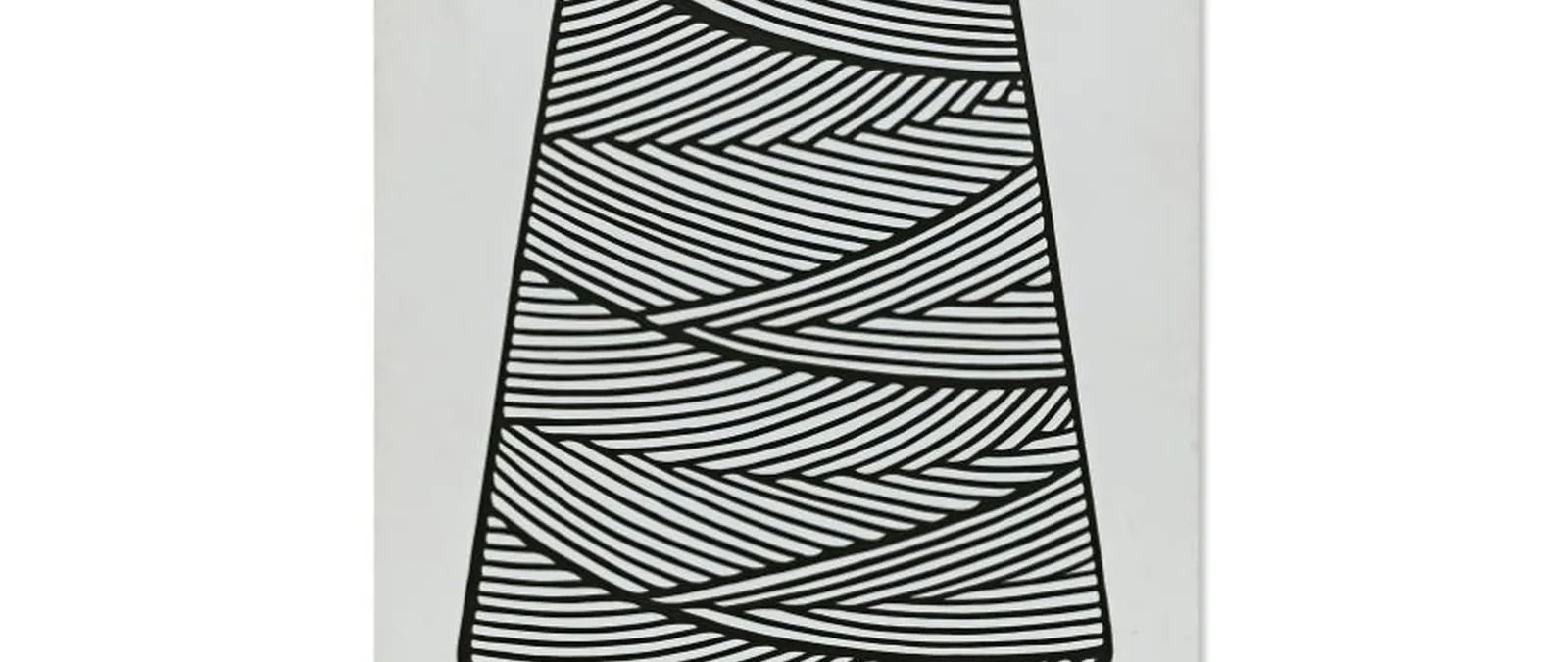
Among the leading works is Roy Lichtenstein’s Large Spool from 1963, a period when the artist was developing the vocabulary that would make him one of the defining figures of Pop Art. The painting transforms an ordinary object into a crisp, graphic image with the scale and authority of a major modern composition.
Works from this period are especially sought after because they sit close to the moment when Pop Art moved from provocation into a central chapter of twentieth-century art history. Provenance connected with the Sonnabend circle adds another layer for collectors interested in the networks that helped shape that movement.
The collection moves beyond painting
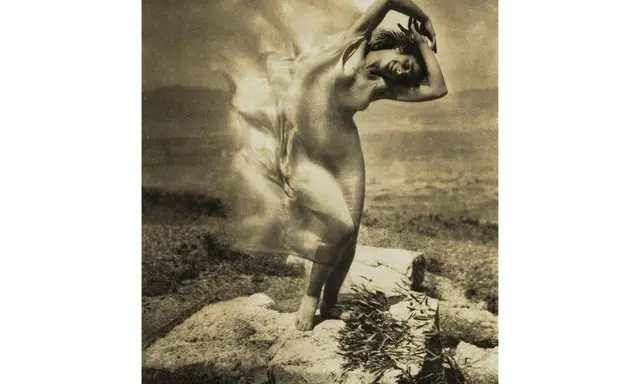
Photography, prints, multiples and design appear alongside major post-war works, reflecting a collector who did not treat artistic categories as rigid boundaries. This breadth mirrors the way progressive galleries often operated during the second half of the twentieth century, moving between media as artists experimented with new forms.
For collectors, that creates opportunities to see familiar names from different angles. A print, photograph or design object can reveal aspects of an artist’s practice that are less visible in the more expensive painting market while still maintaining strong historical significance.
London, Paris and New York divide the collection geographically
Christie’s is dispersing the works across several major sales rather than holding one single-owner evening. That approach allows individual pieces to enter the context where specialists believe they will receive the strongest attention while preserving the Sonnabend provenance across cataloguing.
The multi-city strategy also reflects the international nature of the original network. The Sonnabend gallery story connected Europe and the United States, and the auction route now follows a similar geography through London, Paris and New York.
Provenance becomes part of the intellectual value
Collectors often use provenance to verify ownership history, but in important private collections it can also help explain why a work mattered. A piece acquired by someone close to artists, galleries and exhibitions may carry documentary significance beyond the fact that it has a prestigious name attached.
That makes the Antonio Homem Sonnabend Collection particularly attractive to museums and historically minded collectors. The works are objects, but they are also evidence of relationships that helped determine which artists were seen, discussed and collected during crucial decades.
The sale shows how private collections preserve art-world history
When collections remain intact for years, they capture decisions that were made before later auction records and museum retrospectives clarified consensus. Those choices can reveal what knowledgeable insiders valued when reputations were still being formed.
As the Sonnabend material disperses, individual buyers will acquire separate works, but Christie’s documentation keeps the broader story visible. For collectors, that context is part of the appeal because it connects each object to a larger history of galleries, artists and post-war cultural exchange.