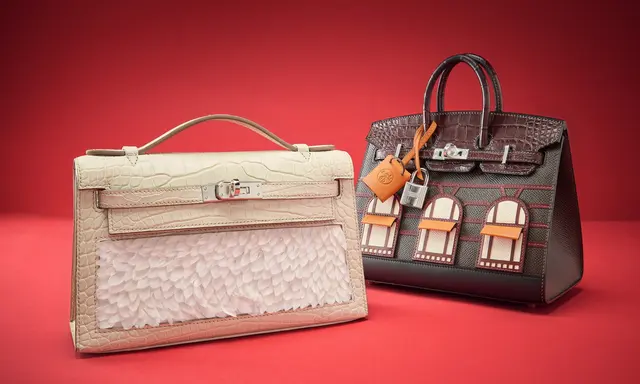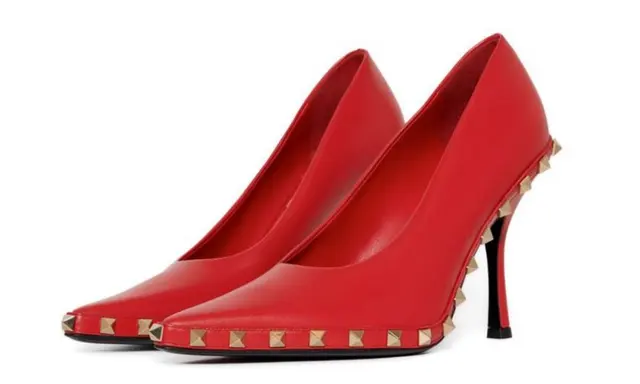
Christie’s has opened its September Edit handbag auction in New York with a catalogue designed to move between serious collecting and wearable luxury. The online sale brings together Hermès, Louis Vuitton, Chanel, Dior and other major houses, with bidding timed to coincide with New York Fashion Week and a public exhibition at Rockefeller Center.
The catalogue is unusually broad in age and type, moving from mid-century luggage to near-new limited editions. That range gives the sale appeal both to established collectors looking for rarity and to buyers entering the category through objects they can realistically use rather than store.
Hermès provides the strongest market anchor
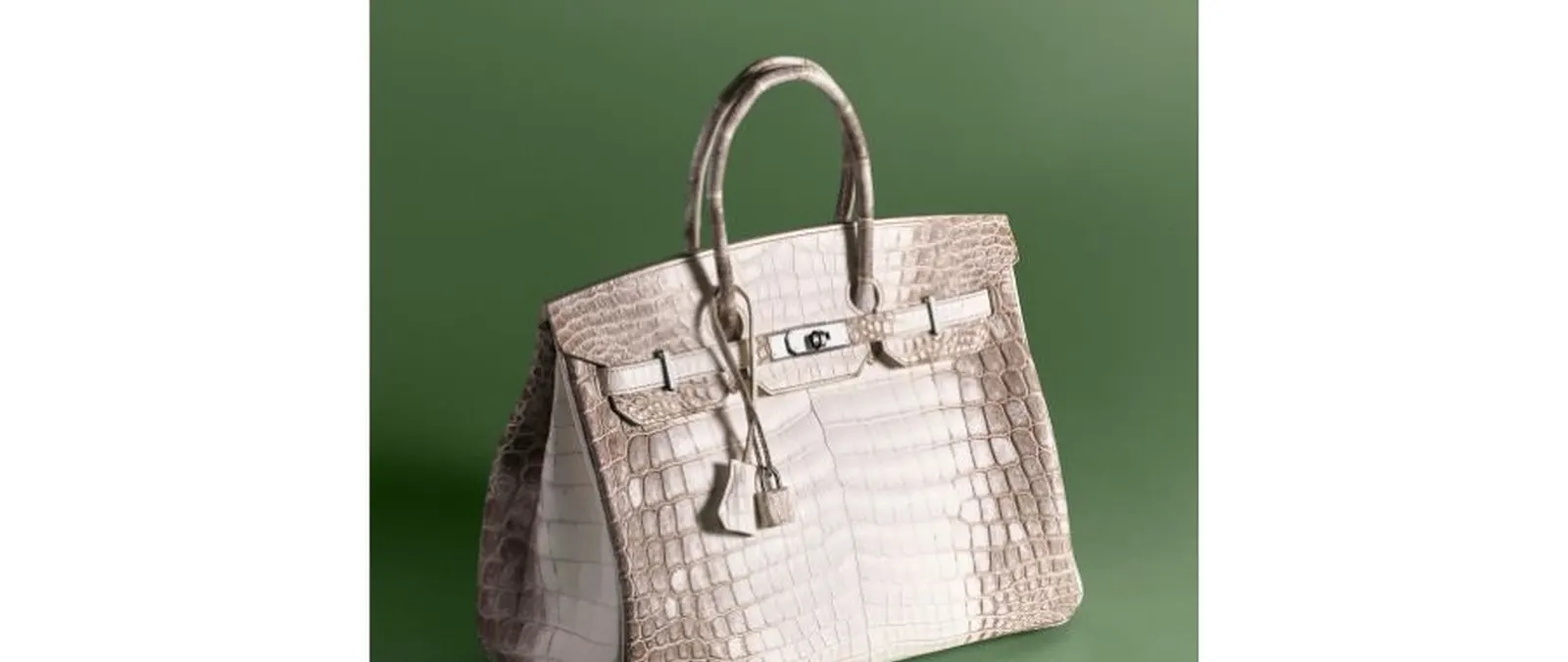
A matte white Himalaya Niloticus crocodile Birkin 35 is estimated at $90,000 to $120,000 and sits among the headline lots. Himalaya bags remain some of the most recognisable status objects in the secondary handbag market because production is limited and the gradated finish is difficult to achieve consistently.
The sale also includes Birkins, Kellys and smaller Hermès pieces across leather types, colours and decades. Several are offered without reserve, which can create genuine price discovery because the final result depends entirely on bidding rather than a seller’s hidden minimum.
Louis Vuitton trunks add historic depth
Christie’s has included vintage Louis Vuitton luggage with documented ownership histories, including pieces connected with Ethel Clift McGinnis and William A. M. Burden Jr. These objects move beyond contemporary fashion and into the history of travel, craftsmanship and personal identity.
Older trunks can be especially interesting because wear, monograms and travel labels form part of their appeal rather than automatically reducing value. For collectors, evidence of how an object was used can become as important as pristine condition when the provenance is strong.
New York Fashion Week gives the auction a broader audience
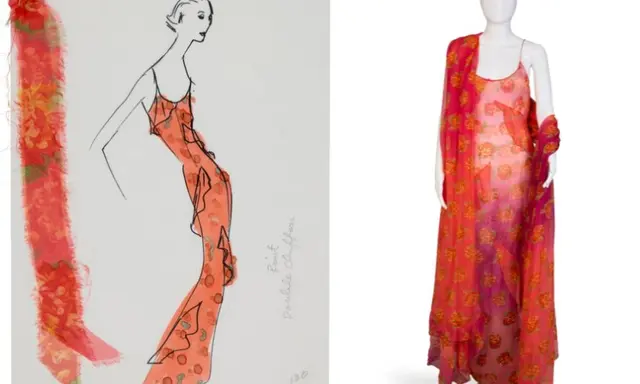
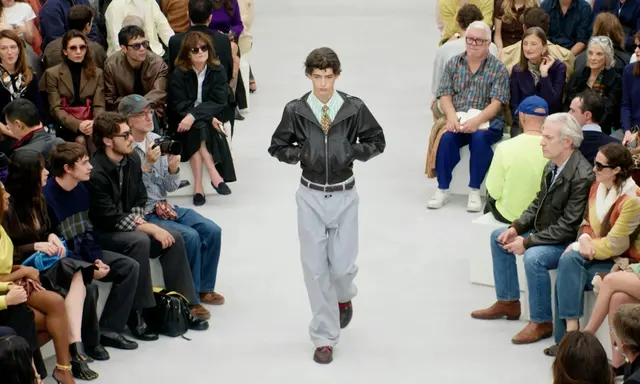
The public exhibition is staged during New York Fashion Week alongside Christie’s presentations devoted to Bill Blass and The Devil Wears Prada 2. This creates a wider context in which handbags are seen not only as luxury commodities but as part of fashion history, film culture and personal style.
That timing also helps introduce auction collecting to visitors who may normally shop only through boutiques or resale platforms. Seeing rare pieces displayed together can make differences in craftsmanship, condition and edition much easier to understand.
No-reserve lots lower the psychological barrier to bidding
Ninety-one lots in the sale are offered without reserve, with some bidding beginning at relatively low levels. This does not mean rare bags will sell cheaply, but it does create the possibility of competitive outcomes shaped by the room rather than by predetermined expectations.
For newer collectors, that format can make the process feel more approachable. It also gives experienced buyers opportunities to compare the market’s appetite across different models instead of assuming every Birkin or Kelly will perform identically.
Collectible handbags now sit firmly inside the luxury-auction world
The September Edit illustrates how far the handbag market has matured. Condition reports, provenance, rarity, materials and specific production details are now analysed with the same seriousness applied to watches, jewellery and other established collectible categories.
For yacht owners and luxury travellers, these objects remain practical as well as collectible, which helps distinguish the category from many other auction markets. The strongest pieces can be worn, travelled with and enjoyed while still carrying scarcity and resale value that collectors recognise.