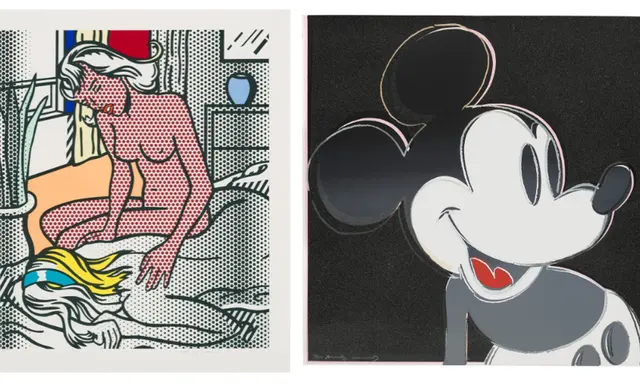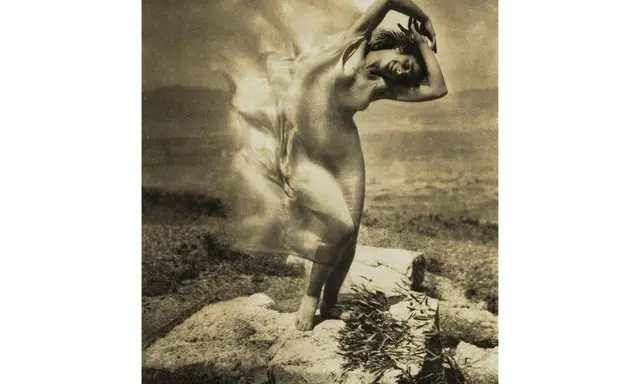
Christie’s will present the Clive Davis Collection during New York’s fall 20th Century and Post-War sales, bringing art collected by one of the most influential figures in modern music into the auction market. Davis spent more than six decades shaping careers across pop, rock, soul and R&B, and the collection reflects a life lived at the intersection of entertainment, visual culture and philanthropy.
Eight works will headline the 20th Century Evening Sale, with additional pieces offered in the Post-War and Contemporary Art Day Sale and Prints and Multiples. The structure gives Christie’s room to present the collection across several price levels while preserving the connection to Davis as collector.
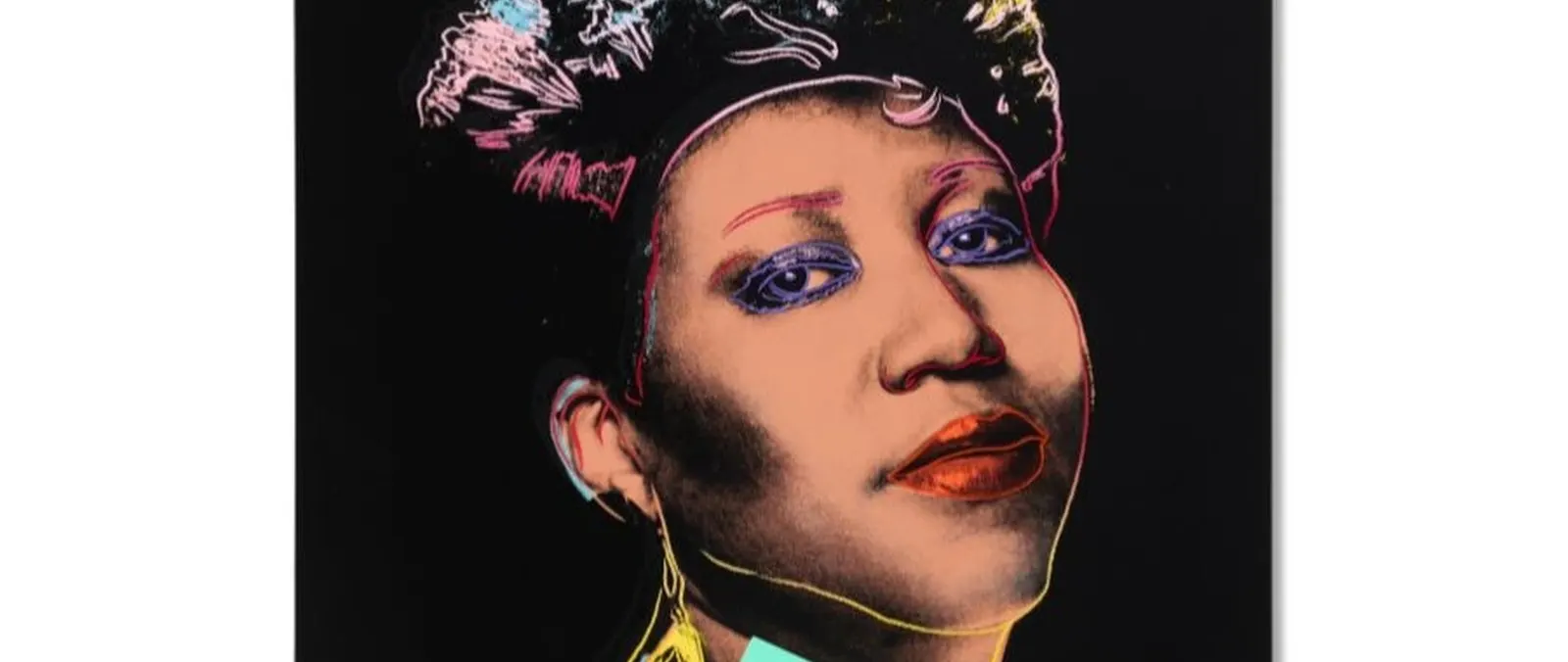
Warhol’s Aretha Franklin leads the collection
Andy Warhol’s portrait of Aretha Franklin, executed around 1986, is estimated at $2 million to $3 million and provides the clearest bridge between Davis’s music career and his art collection. Franklin was one of the defining voices of the twentieth century, and Warhol’s treatment places her inside the visual language of celebrity that became central to his work.
The painting is especially resonant because Davis’s professional world was built around artists who became cultural icons. Collecting a Warhol portrait of Franklin therefore feels less like a disconnected art-market acquisition and more like an object that reflects the environment in which he spent his working life.
Music and visual art share a culture of reputation and discovery
Davis became famous for identifying talent, developing artists and understanding how audiences might respond before broad consensus formed. Those instincts have obvious parallels with collecting, where conviction often matters most before an artist’s place in history feels completely settled.
A private collection can reveal whether someone approached art primarily through investment, personal relationships or visual instinct. In Davis’s case, the surrounding biography encourages buyers to read the works through decades spent making decisions about creativity, originality and cultural impact.
The collection sits inside a broader philanthropic legacy
Davis supported educational and cultural institutions throughout his life, including the Clive Davis Institute of Recorded Music at New York University and the Clive Davis Theater at the Grammy Museum. His annual pre-Grammy event also became known for combining music-industry influence with fundraising.
That philanthropic record gives the auction a context beyond celebrity ownership. The works come from someone whose collecting and professional life were linked with institutions, artists and long-term support for creative careers rather than simply personal consumption.
Christie’s is spreading the works across several sales
Placing the strongest paintings in the evening sale creates the highest-profile setting, while day and print auctions allow the rest of the collection to reach collectors with different budgets and interests. This format has become common for important private collections that are too broad to fit naturally inside a single auction.
For buyers, the approach also creates several entry points into one provenance. A collector who cannot compete for a multimillion-dollar Warhol may still acquire a work carrying the same Davis collection history through another category.
Celebrity provenance matters most when it connects naturally with the object
Famous ownership can inflate attention without adding much intellectual value, but the Davis collection is strongest where art and biography genuinely intersect. A Warhol portrait of Aretha Franklin from the collection of a legendary record executive has an internal logic that makes the provenance meaningful rather than decorative.
As the works enter new collections, Christie’s cataloguing will preserve that association. For buyers interested in the overlap between music, art and American cultural history, the collection offers objects whose stories extend well beyond the walls on which they were displayed.