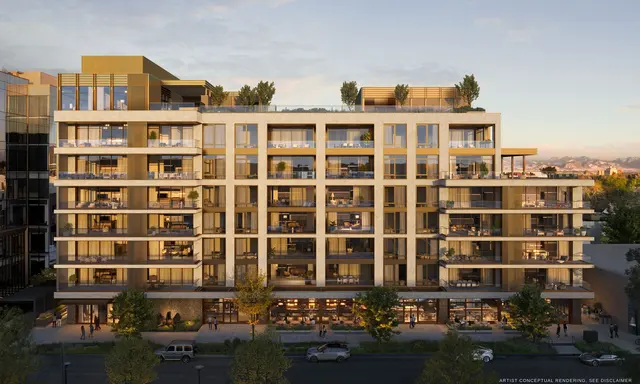
Maserati moves from motoring into property
Maserati has introduced Casa Maserati, an initiative intended to translate the Italian sports-car marque's design identity into luxury real estate and branded residences. The company announced the move in Modena on 2 November 2026, presenting a vision for living spaces shaped by Italian craftsmanship, hospitality and its Gran Turismo heritage. This is a new commercial direction for the brand, but the announcement is deliberately an opening statement: Maserati has not yet named the first residential development, its location or the partners responsible for delivering it.
That distinction sets Casa Maserati apart from a conventional property launch with an address, floor plans and prices. The automaker is announcing its intention to work in a sector where the value of a recognised design identity can extend beyond the original product. Potential future buyers may eventually be offered residences connected to Maserati's aesthetics and hospitality ambitions, but the first specific projects remain forthcoming. Any purported apartment price, completion year or unit count would go beyond what the brand has publicly confirmed at this stage.
A Trident centenary announcement
The timing is symbolic. Maserati's Trident emblem originated in 1926, making 2026 its centenary year, while the company traces its history of Italian performance and grand touring through a succession of cars made for very different eras. The manufacturer has chosen this anniversary as the backdrop for extending its name into another aspect of daily life. It is not presenting Casa Maserati as a new sports-car model or a hotel opening; it is developing an identity for spaces in which people may eventually live.
Brand anniversaries can provide a reason to examine what an established design signature means outside its original market. The Maserati badge is familiar on a bonnet, but a residential environment must earn its distinction through architecture, interiors and ongoing service rather than automotive horsepower. The company's launch language emphasises the continuation of Italian culture and craft in a new setting. Translating those ideas into a property will eventually require detailed decisions by architects, developers and operators, none of whom were identified in the initial release.
The branded-residence proposition
A branded residence is broadly a home whose identity, design or services are associated with a named luxury brand. It differs from a conventional apartment purchase because the branding may influence material selection, resident amenities, communal spaces and management expectations. These arrangements can take several commercial forms; the words alone do not establish who owns the building, who manages it or which services are included in an individual service charge. Maserati's announcement discusses the sector as a way to extend its cultural identity to a domestic setting.
The company describes an international audience seeking more than a private address, including a recognisable community and a style of hospitality. That is its stated market positioning rather than a quantified demand forecast in the release. An eventual developer would still have to establish whether such a proposition fits a given city's location, planning rules and purchasing market. From a reader's perspective, the most important early question is what Casa Maserati will add beyond a licence to use the Trident name. Real detail will emerge only with a named project.
Design principles from the automotive studio
Maserati head of design Klaus Busse describes the brand's creative approach through three themes: performance, presence and provenance. In a residence, performance can refer to the usefulness of a space rather than speed; presence is concerned with atmosphere and identity, while provenance links material and design choices to Italian craftsmanship. The official presentation refers to sculptural forms, considered proportions and careful treatment of light, surface texture and colour. Those descriptions set a creative direction but do not yet amount to an architectural specification.
That approach will be judged differently from the design of a vehicle. A car has tightly controlled dimensions and is manufactured in a comparatively repeatable process, while homes must respond to site orientation, climate, structural systems and the routines of occupants. The challenge for Casa Maserati will be to retain enough of the marque's character to feel distinctive without making every room resemble a showroom. Materials can communicate heritage subtly through joinery, stone, leather or metalwork, but Maserati has not published an approved schedule of such finishes for any individual residence.
Hospitality beyond the apartment door
Casa Maserati's published concept includes a hospitality dimension built around wellness, culture, food and shared experiences. That is potentially significant because luxury residential branding often involves more than styling private rooms. Common spaces, staff, guest arrangements and optional services can become part of how residents experience a property over many years. Maserati says its aim is a multisensory environment that carries an Italian sense of hospitality into everyday living. It has not, however, supplied a definitive amenities list for a finished building.
Prospective purchasers should therefore resist treating illustrative concepts as contractually included facilities. A spa, private dining room, concierge or shared lounge may be attractive ideas, but the operational and legal details would depend on the eventual development. Service charges, opening hours, booking rights, outside-guest access and long-term maintenance standards can affect ownership almost as much as the initial interior. The company's early statement is useful for understanding its aspirations, while a real buyer would need a much more precise property-level document before making a financial commitment.
The business case for crossing sectors
The extension of a motoring marque into residences creates opportunities for a brand to reach customers outside the vehicle showroom. It also involves reputational risk because the daily experience of a home cannot be solved by selling a well-designed object once. Residents will judge construction, acoustics, privacy, maintenance and neighbour relationships as well as the name above the entrance. Maserati's chief executive Santo Ficili describes the move as a natural extension of the company's values, while indicating that initial project announcements are still to come.
Commercially, the eventual relationships with property developers and hospitality operators will be decisive. Some branded-residence models rely on third parties to build and manage assets under a licence, while others involve more direct brand participation; Maserati has not specified its chosen structure. It would be premature to assign a real-estate revenue figure or development budget to Casa Maserati. The confirmed fact is the opening of a branded-residence direction, not a signed portfolio of sites. Stakeholders will need to assess each future venture on its actual ownership and operating arrangements.
What luxury buyers will want to know
When the first project is announced, location should be the starting point. Transport connections, neighbourhood character, privacy, outdoor space and proximity to cultural or waterfront amenities remain fundamental even for a globally recognised brand. Buyers will also want to examine a floor plan, building specifications, construction timetable and local consumer protections. An attractive rendering can show creative intent but cannot establish whether a completed home will deliver the same views, materials or usable space. Casa Maserati has not yet offered such project-specific details.
Other questions concern the durability of the relationship between the developer and the brand. A purchaser should know who can use the Casa Maserati identity, which branded services are promised, who pays to operate them and how standards are maintained if management changes. Branded homes may have complex service arrangements that differ between jurisdictions, so each development requires its own legal and financial review. These are ordinary considerations in high-value property transactions, not indications of a known problem with Maserati's as-yet-unannounced projects.
The next announcement will matter most
As of 6 November 2026, Maserati has revealed the Casa Maserati name, its intended design and hospitality philosophy, and the strategic move into real estate. The brand has not confirmed its first project address, named developer, number of homes, property pricing or a construction and handover schedule. Its own release states that details of initial developments and partners will follow. This makes the story important as a corporate and design announcement, but it is not yet evidence of a completed or available residential property.
The most useful follow-up will be a project announcement that gives buyers and industry observers something concrete to assess: site, architects, developer, scale, residential specification and resident services. It will then be possible to examine how faithfully the design studio's stated principles translate into rooms, materials and operations. Until that happens, Casa Maserati belongs in the category of an emerging luxury-living initiative. It demonstrates the ambition of an Italian performance brand to shape a wider lifestyle, while leaving the value of any specific future residence to be established on its own merits.