What are you actually buying?
A new sports cruiser is easy to appreciate at a boat show. Lighting, finishes and exterior profiles are optimised to make the first impression memorable, and modern builders have become increasingly skilled at turning a compact yacht into several elegant social spaces. The difficult part of the purchase begins when the buyer imagines an ordinary Tuesday: an unexpected call from the marina, a need to source a replacement component, or a weekend cancelled by weather while the bills continue to arrive.
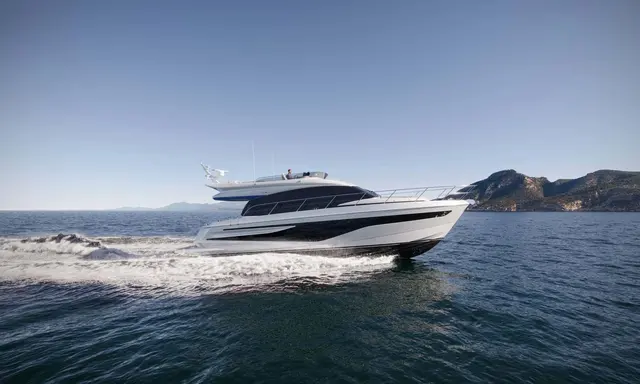
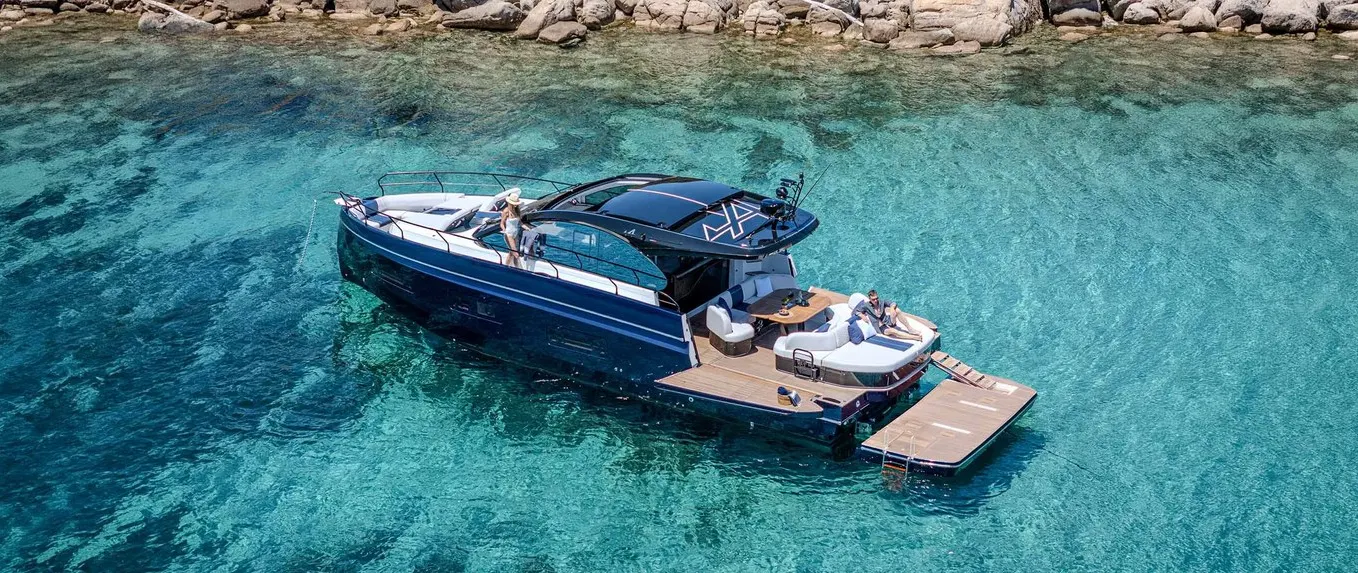
BENETEAU's new-generation Gran Turismo 50 makes a compelling case study because the official product page combines an expressive design story with a tangible set of technical claims. The new boat is 15.95 metres overall, with a 4.48-metre beam, a maximum listed draft of 1.18 metres and maximum air draught of 4.6 metres. The builder describes a versatile outdoor arrangement, optional configurations and joystick-assisted control. These are product details, not evidence that an individual yacht will suit every owner. The first question is which lifestyle the boat must support and what operational demands follow from it.
Make the generation distinction explicit
The Gran Turismo 50 name has been used before. BENETEAU still has public material for an older model listed at 15.78 metres overall and 4.4 metres of beam, with different technical details and layout choices. A search result, brokerage advertisement or marina listing headed simply “Gran Turismo 50” therefore needs a model-year and hull-identity check. Even a small difference in principal dimensions can matter for berth eligibility and transport constraints, while systems and equipment differences matter much more for maintenance.
Ask for the precise model designation, hull identification, build documentation, engine serial numbers and a current specification sheet for the yacht on offer. Confirm what is standard, optional and dealer-installed. A brochure may illustrate fittings that are not included in the contract. An owner commissioning the new-generation boat should keep a dated configuration record and make sure accepted options are reflected in warranties, handover documents and insurance declarations. Clarity at this stage prevents later disputes over what was promised.
The berth is part of the purchase decision
A buyer can fall in love with a yacht and only afterward discover that their preferred marina has no suitable place for it. The new Gran Turismo 50's published 15.95-metre length and 4.48-metre beam are the beginning of the discussion, not the end. Ask the marina which length it charges against, how it measures appendages, whether the assigned berth has sufficient manoeuvring room and how electrical and fresh-water connections will work. Verify the appropriate depth throughout the approach, allowing for tidal and local conditions where applicable.
Investigate the practical implications of a 4.6-metre listed maximum air draught as well. Bridge clearance can determine whether a seemingly convenient river berth is usable. Do not rely on a manufacturer's general figure without examining the actual boat's antennas, equipment and loading. Visit a candidate berth at a busy time if possible. Watch how other vessels enter and leave in crosswinds, and consider whether the owner will normally berth with experienced help aboard. Berthing is a recurring operation, not an occasional obstacle to be overcome once.
A sea trial is an investigation, not a demonstration
The builder describes the new Gran Turismo 50 as offering up to 250 miles of range at 22 knots, explicitly describing the figure as provisional. That distinction is critical. A prospective owner should not turn a development-stage or test-condition claim into a guaranteed passage budget. Fuel use varies with speed, sea state, load, hull condition and machinery condition. The trial should include a route and loading state that reflect the actual intended use, alongside a discussion of the builder's published assumptions.
Observe helm visibility while seated and standing, especially during turns and slow-speed manoeuvres. Ask the skipper to explain the controls, alerts, trim management and any interactions between automation and manual operation. Assess how passengers experience acceleration, wave impacts and noise in the cockpit and below deck. A fast demonstration in flat water shows only one part of a boat's personality. The buyer should leave the trial with recorded observations, photographs where permitted, and a list of issues to clarify before final acceptance.
Surveying a new boat still makes sense
“New” does not automatically mean “fully understood.” A professional marine surveyor can provide a structured independent examination of the hull, fittings, safety systems and any installation questions raised during commissioning. Depending on the vessel and jurisdiction, separate specialists may be needed for machinery, electrical systems or other equipment. The point is not to assume defects, but to establish the vessel's condition and documentation before responsibility passes to the owner.
Work with the dealer on the inspection scope and handover schedule. Check identification plates, manuals, maintenance schedules, warranty start dates and the list of supplied safety equipment. Confirm the processes for notifying the supplier of an issue and arranging rectification. Keep a written handover list with each unresolved item, the agreed remedy and a responsible contact. A well-managed purchase can remain cordial and efficient while still treating technical documentation seriously. It is much harder to reconstruct a missing commissioning record several seasons later.
Understand what optional layouts change
The official BENETEAU page shows several layout choices, including hardtop and cockpit variations and a “silent boat” option. Buyers should not treat a layout rendering as proof that every option can be combined in every market or production slot. Ask for a current technical specification tied to the actual yacht, including weights, equipment locations and maintenance access. A change that improves one aspect of leisure use may also affect storage, serviceability or power management.
Walk through the boat as if staying aboard for three days. Where will guests put wet shoes and towels? Can luggage be secured without obstructing access? Is the galley easy to use when the cockpit is busy? How are sleeping areas ventilated and darkened? Can the crew reach essential machinery and safety systems without moving guests' possessions? The answer to these questions reveals more about the yacht's suitability than the number of mood-lighting presets. On a boat of this size, every multipurpose space has competing demands.
Power systems and quietness deserve scrutiny
Many buyers value quiet evenings at anchor, but the experience depends on the exact electrical installation and the habits of people aboard. Ask for an equipment schedule covering charging, batteries, refrigeration, climate control, cooking and any auxiliary systems. Establish how much of the owner's normal evening routine can be supported without running machinery, and what operating precautions apply. Do not assume that an option described with the word “silent” means that all hotel loads can be met indefinitely without noise.
Power-system complexity also creates responsibilities. Technicians must understand the installed equipment, warning indicators and safe isolation processes. Owners need a clear routine for leaving the vessel unattended, especially when relying on shore supply. The dealer should explain expected maintenance and emergency procedures in language that the normal operator can follow. A comfortable night's sleep begins with a reliable system that the owner understands, not merely the absence of an engine note in a demonstration video.
The true purchase budget is annual
Acquisition cost is only one component of ownership. Berthing, insurance, haul-out, antifouling, scheduled machinery servicing, repairs, consumables, communications, equipment replacement and professional assistance can all recur. The appropriate estimates depend on country, usage, insurance conditions and the actual specification. Instead of repeating a generic percentage of purchase price, request written quotations from local providers and build a budget tied to the berth, likely operating hours and maintenance calendar.
Consider who will undertake ordinary tasks. Some owners enjoy washing down, checking fluids and handling routine logistics; others will use a caretaker, captain or service company. Both approaches have costs and requirements. Allow a contingency for unexpected work and disruptions to the cruising season. A robust ownership budget also reflects depreciation and the cost of capital, even if the owner has no intention of selling soon. Buying within a sustainable operating budget makes it easier to enjoy the vessel rather than feeling compelled to justify every day of use.
Choose support before you choose a finish
A dealership's service reach can be more important than a small difference in upholstery. Ask who will handle the engine manufacturer's warranty, hull and deck work, electronics faults and winter-storage requirements. Determine whether the proposed home port is within the dealer's ordinary operating territory. If the yacht will spend months in another country, ask how warranty and technical support will transfer. Obtain contact details and escalation routes before delivery instead of discovering them during the first fault.
The owner should also ask what happens when parts are unavailable during peak season. Are there approved alternatives? Does the service provider hold commonly required items? What documentation will be needed to obtain support overseas? These questions can be answered without assuming a failure will occur. A brand-new yacht is a sophisticated collection of interconnected components, and maintenance quality influences its long-term enjoyment and resale prospects.
Think beyond the first summer
The new Gran Turismo 50 is marketed around a distinctive combination of open-air living and refined internal accommodation. Whether that is the right mix depends on how the owner's use may evolve. A couple who enjoy coastal day trips today may later want extended weekends, regular guests or longer passages. Try to project two or three seasons ahead. Does the boat's sleeping arrangement still work? Is the cruising region likely to change? Is the chosen berth secure for the intended duration of ownership?
Resale considerations need care too. Future demand and retained value cannot be predicted reliably from current fashion. What an owner can control is condition: documenting services, completing warranty work, avoiding improvised modifications and maintaining the vessel's appearance. Keep manuals, receipts, photographs of important repairs and records of equipment upgrades. The same discipline that protects resale value improves confidence during ownership, because systems and responsibilities remain traceable.
A better way to reach the purchase decision
The sensible conclusion is not that buyers should become cautious to the point of avoiding pleasure. The reason to own a luxury cruiser is precisely the freedom to enjoy the sea, invite friends and create memorable weekends. A structured decision process protects that freedom. Compare the proposed yacht against a written use case, confirm its actual configuration, review berthing, take a meaningful sea trial, secure independent technical advice and budget for the whole year.
The new 15.95-metre BENETEAU Gran Turismo 50 may suit owners who prize expressive design, flexible outside spaces and a driver-oriented cruising experience. The builder's published material establishes the design proposition; the buyer's homework establishes whether it will work in real life. On delivery day, the most satisfying luxury is not simply stepping aboard a striking new boat. It is knowing that the berth, the crew arrangements, the systems and the financial commitments have all been considered—and that the first weekend can be enjoyed without wondering what was overlooked.
Official source: See the manufacturer information. Model information: official product details. Official BENETEAU image of the current new-generation Gran Turismo 50.