A more connected journey
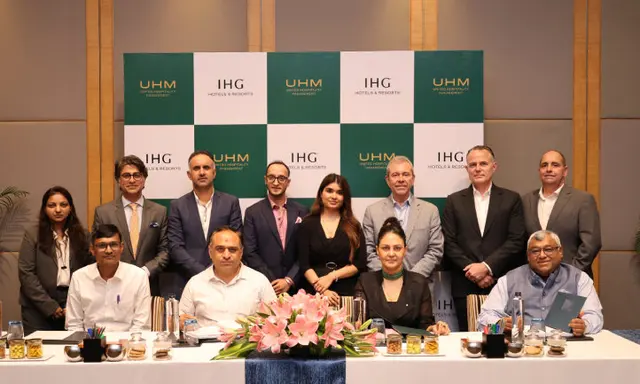
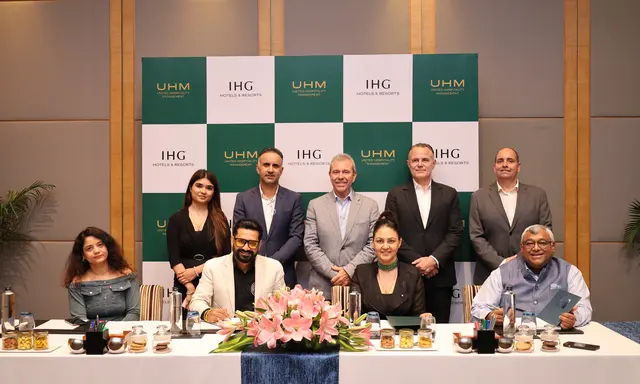
Air India and IHG Hotels & Resorts have launched a loyalty partnership connecting flights with hotel stays. Maharaja Club members can earn points when they book qualifying stays across participating IHG properties.
The partnership extends a travel relationship beyond the flight itself. For travellers using several hotels on one itinerary, that can make loyalty benefits easier to collect and use.
A launch promotion offers enhanced earning on eligible stays during the closing months of 2026. The practical value depends on a traveller’s existing loyalty habits and where they already plan to stay.
Why linked rewards matter
Linked airline and hotel rewards are most useful when they reduce fragmentation. Travellers often hold points across many programmes, so partnerships can make existing balances more relevant.
The benefit is not only about free nights or flights. Status recognition, easier booking and a more coherent travel account can also remove small pieces of friction from a journey.
That matters on longer itineraries where air travel, hotels and ground transfers all need to fit together. A rewards ecosystem becomes useful when it follows the traveller rather than a single transaction.
Useful for multi-stop travel
For LYG readers, the partnership may be relevant on trips that combine flights with yacht charters or coastal stays. An airport hotel, city stop and resort stay can all sit inside the same wider journey.
India is also an increasingly important travel market for both companies. IHG continues to expand its hotel network there while Air India develops its international reach.
Travel ecosystems keep growing
The broader trend is toward travel brands building ecosystems rather than operating in isolation. Customers are being encouraged to see flights, hotels and experiences as connected parts of one relationship.
For travellers, the best partnerships are the ones that quietly make a planned trip more rewarding. The value should come from normal travel behaviour rather than forcing unnecessary spending.