A keynote challenges a globally connected sector
The Superyacht Forum opened at RAI Amsterdam on 16 November 2026 with a keynote from Jaap de Hoop Scheffer, a former NATO Secretary General and Dutch Minister of State. The official Metstrade account says he challenged the industry to put geopolitics firmly on its agenda and to move beyond discussion toward concrete action. The forum was scheduled for 16 and 17 November, ahead of the Metstrade marine-equipment exhibition. The significance is not a new yacht or a piece of equipment; it is the decision to address global conditions as a strategic concern for businesses that rely on international customers, supplies and operations.
The original release reports the opening remarks, not a complete list of policy commitments agreed by the delegates. A keynote can frame the conversation, but the existence of a speech does not prove that yards, brokers or operators have implemented new procedures. The event provides an appropriate setting for considering how a highly international industry responds to changes beyond its control. Many marine businesses work across borders, employ people from different countries and depend on services that reach well beyond their immediate location. The question for those organisations is how to translate awareness of external risks into practical decisions.
Maritime businesses operate across borders
Building a luxury yacht can involve naval architects in one country, a construction yard in another and equipment specialists across many others. Ownership, flag registration, financing and eventual cruising may introduce additional jurisdictions. This geography creates opportunities for specialised work and access to international expertise, while also bringing exposure to changing regulations, trade conditions and transport interruptions. A company cannot evaluate every issue only through its domestic market. The forum's focus on geopolitics is relevant because external developments can influence decisions at several points in a vessel's life.
The official Metstrade note does not identify a single geopolitical event as the cause of a particular yard delay or cost increase. It would therefore be inaccurate to attach such outcomes to named companies without evidence. The broader analysis concerns risk management. A business may need to know where critical components originate, how replacement parts can reach a yacht abroad and whether contracts remain workable when circumstances change. These are planning questions rather than proof of a current disruption. The Amsterdam discussion highlights the importance of asking them before a difficulty emerges.
Supply chains extend beyond visible yacht components
A finished yacht may be admired for its exterior lines and interior quality, yet its operation depends on equipment that owners rarely see. Electrical systems, pumps, navigation electronics, propulsion parts and specialised materials can come from a long chain of manufacturers and distributors. The more complex a vessel becomes, the more important it is to understand the availability and serviceability of critical equipment. Trade conditions and cross-border logistics can affect those chains. A builder or technical manager who maps important dependencies may be better placed to plan for alternatives when necessary.
That does not mean every yacht should be designed around a theoretical supply crisis. Multiple sourcing can introduce different engineering and warranty considerations, and alternative components may not be interchangeable. Captains and engineers need documented compatibility and support rather than simply a longer list of suppliers. The forum's call for action can reasonably be interpreted as encouragement to examine these operational vulnerabilities, but that is editorial analysis rather than a set of technical recommendations made by De Hoop Scheffer. Practical resilience requires decisions supported by the actual systems installed aboard.
The regulatory environment deserves attention
Yachts may travel through jurisdictions with different customs, immigration, tax, environmental and safety requirements. Operators need current guidance, particularly when a voyage involves several countries or when vessels are used commercially. Geopolitical changes can alter administrative procedures and the practical ease of moving people and equipment. A charter operation may face different obligations from a privately used vessel, and flag or registration choices can create further distinctions. A general forum discussion cannot resolve these questions for an individual yacht, but it can encourage businesses to treat them as ongoing management responsibilities.
The official source does not announce a new law or a regulatory deadline arising from the Amsterdam keynote. Readers should not infer that the forum created a binding rule. Owners, brokers and captains should obtain advice from qualified professionals and relevant authorities for their particular circumstances. The larger industry question is whether companies maintain reliable information and review it when conditions change. Legal compliance may appear less visible than a new design feature, yet it is central to keeping a vessel operating responsibly. The speech's significance lies in highlighting the wider environment in which those routine obligations exist.
People and expertise are part of resilience
Yacht construction and operation involve highly specialised teams, often with international backgrounds. Engineers, technicians, deck officers and hospitality professionals can have different training and certification requirements, while projects may depend on specialists travelling to a yard or vessel. Cross-border conditions may affect recruitment and scheduling. A business that understands its workforce needs can identify where training and continuity planning are most important. These considerations are not unique to superyachts, but the combination of bespoke engineering and international operation makes them especially visible.
It would be unsupported to claim that the forum's opening speech quantified a particular shortage of workers or announced a recruitment programme. The source makes a broad call to consider geopolitics and act. Workforce planning is one possible area where that challenge may apply. Employers can ask whether they have enough people with the necessary knowledge, whether key tasks are documented and how teams would respond if a specialist could not travel. Those are practical management questions. They should be approached with respect for workers and relevant employment rules rather than through abstract declarations about industry competitiveness.
Ports, refit yards and service networks form another layer
A yacht's operating life often extends far beyond the place where it was built. Marinas, refit facilities, fuelling providers, agents and specialist contractors support maintenance and travel. The availability of these services can differ considerably by region. A voyage that looks straightforward on a chart may require complex preparation for berthing, fuel, customs and technical support. Global conditions can influence how easily operators obtain what they need. Planning ahead is therefore part of good ownership rather than a reaction reserved for emergencies.
The keynote should not be used to suggest that particular ports have become unsafe or unavailable, since the Metstrade release does not make such findings. Destination assessments must rely on current authoritative information and the vessel's circumstances. A captain's decisions also depend on weather, regulatory status and technical condition. The relevant forum theme is a general one: the marine sector operates within a changing international system. Owners and businesses should be alert to how their chosen destinations and service networks fit into that system, while avoiding sensational conclusions unsupported by evidence.
Discussion needs a route to implementation
Conferences are effective at bringing people together, but an argument made on stage is only the beginning of a response. Industry leaders might leave with useful questions and then need to decide who is responsible for addressing them. A shipyard may review component sourcing; a management company may consider documentation and contingency arrangements; a marina operator may assess service continuity. The right action depends on the organisation rather than on one universal plan. Effective follow-through also requires a realistic view of resources and competing priorities.
The Metstrade account describes a challenge to take initiative and act, not a signed industry-wide agreement. No collective programme should be presented as completed unless the organisers publish evidence of one. A practical follow-up could include identifying relevant risks, assigning responsibility and reviewing results, but those are examples of sound management rather than promises made by the keynote speaker. The distinction is important in trade reporting. A conference headline can create momentum, yet readers need to know what actually happened and what remains for participants to do afterward.
The Amsterdam event connects policy and commerce
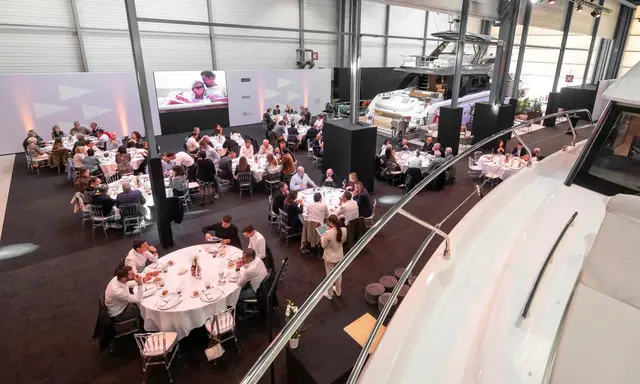
The Superyacht Forum was held immediately ahead of Metstrade, which brings suppliers, designers, builders and other marine businesses to the same venue. That relationship creates an opportunity to discuss strategic questions while participants are also meeting companies that produce and support the technology used on vessels. A conversation about international risk may lead naturally into questions about equipment availability or the practical design of systems. The proximity does not, however, prove that any named commercial agreement resulted from the forum.
For smaller suppliers, industry events may be particularly valuable because they offer contact with larger yards and operators that would otherwise be difficult to reach. The discussion's usefulness will depend on whether businesses can connect ideas to the decisions they are actually able to make. A company with one specialised product has different resources from a builder managing several large projects. Broad political developments will affect them in different ways. A credible industry forum should leave space for those differences rather than assuming that all participants can respond identically.
The role of a former international official
De Hoop Scheffer's previous role as NATO Secretary General gives the keynote an identifiable international-policy background. That experience may help explain why the organisers invited him to open a yacht-sector event, but it does not mean the speech represented NATO or the Dutch government in an official current capacity. The release identifies him as a former office-holder and Dutch Minister of State. Editorial precision matters when an event uses a speaker's public experience to frame an industry discussion. Readers should not confuse personal commentary with a government instruction or binding policy announcement.
An industry may benefit from perspectives beyond its own familiar specialists, especially when global changes affect trade and travel. The value of such a contribution is the questions it raises, not an automatic answer to each commercial problem. Yacht companies must still make their own responsible decisions under applicable laws and contracts. A former official can offer context, while operators must obtain current advice from appropriate authorities. Distinguishing these roles helps prevent a conference report from overstating the authority or practical scope of the remarks.
What the first-party report establishes
Metstrade's official release confirms that the 2026 Superyacht Forum opened on 16 November at RAI Amsterdam with a keynote by Jaap de Hoop Scheffer. It reports his challenge to place geopolitics on the industry's agenda and to turn discussion into action. Those are attributable facts about a completed opening session. The company has not provided evidence in this particular release of an industry-wide resolution, new regulation or implemented operational programme. The lead image is an original official Metstrade event illustration, credited to its publisher and image rights holders.
Luxury Yacht Guide covers the opening because global conditions influence the decisions of yacht builders, suppliers, managers and owners, even when the direct consequences are difficult to forecast. The article's discussion of supply chains, staffing, compliance and services identifies areas that businesses may need to examine, while keeping those editorial implications distinct from the keynote's documented statements. The most useful measure of the forum's success will be the actions taken later by participants, supported by verifiable evidence. For now, the news is a clear call for an internationally connected industry to think beyond its immediate transactions.
Sources and image credits
Reporting based on Metstrade: original first-party announcement.
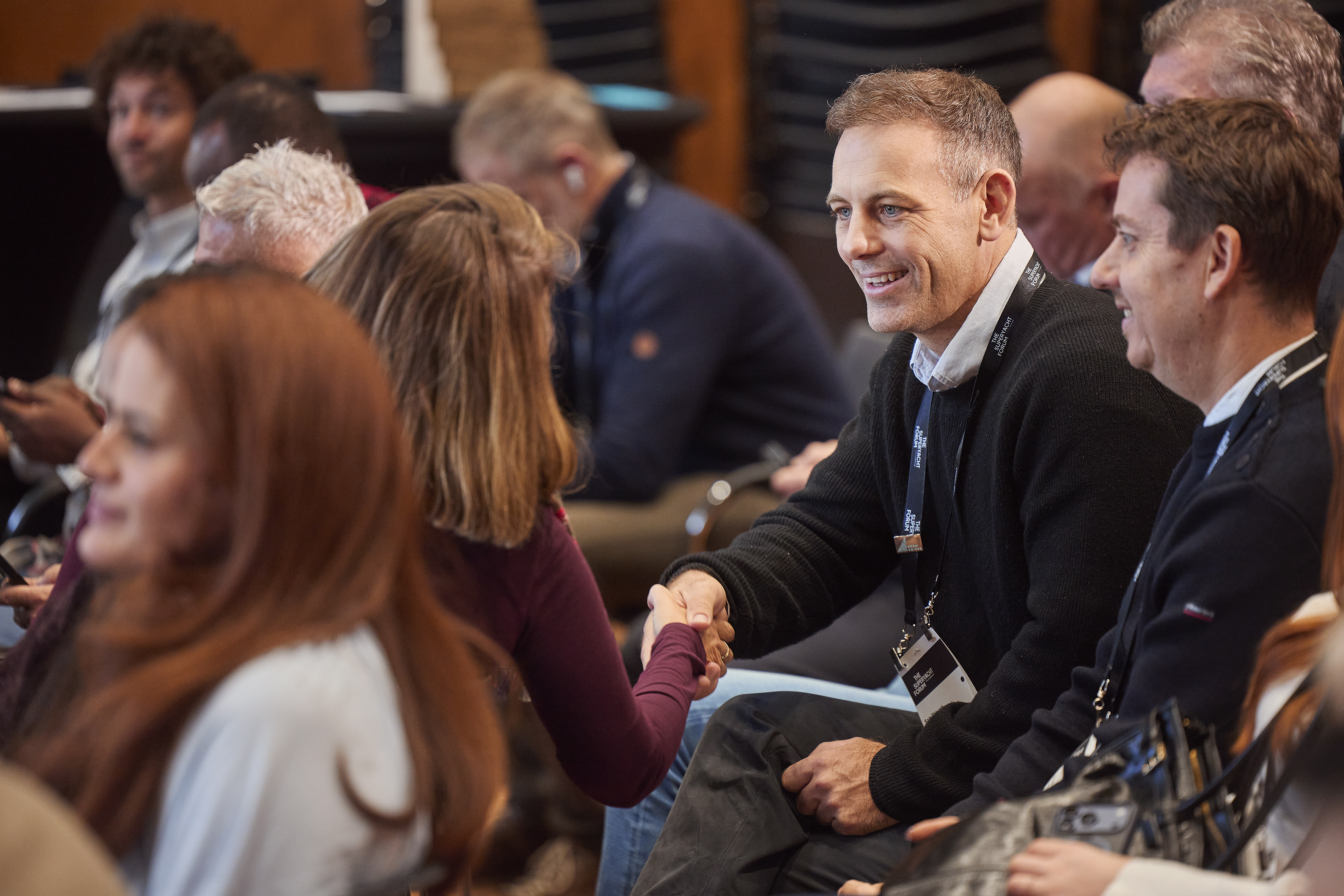
Lead photograph: The Superyacht Forum attendees networking — official Forum archival photograph, LYG 25 November 2026. © The Superyacht Forum / RAI Amsterdam and the original photographer. Official organiser gallery photograph illustrating the Forum; not identified as the 16 November 2026 keynote itself. Original official image source.