Yacht building and visual culture meet in Hong Kong
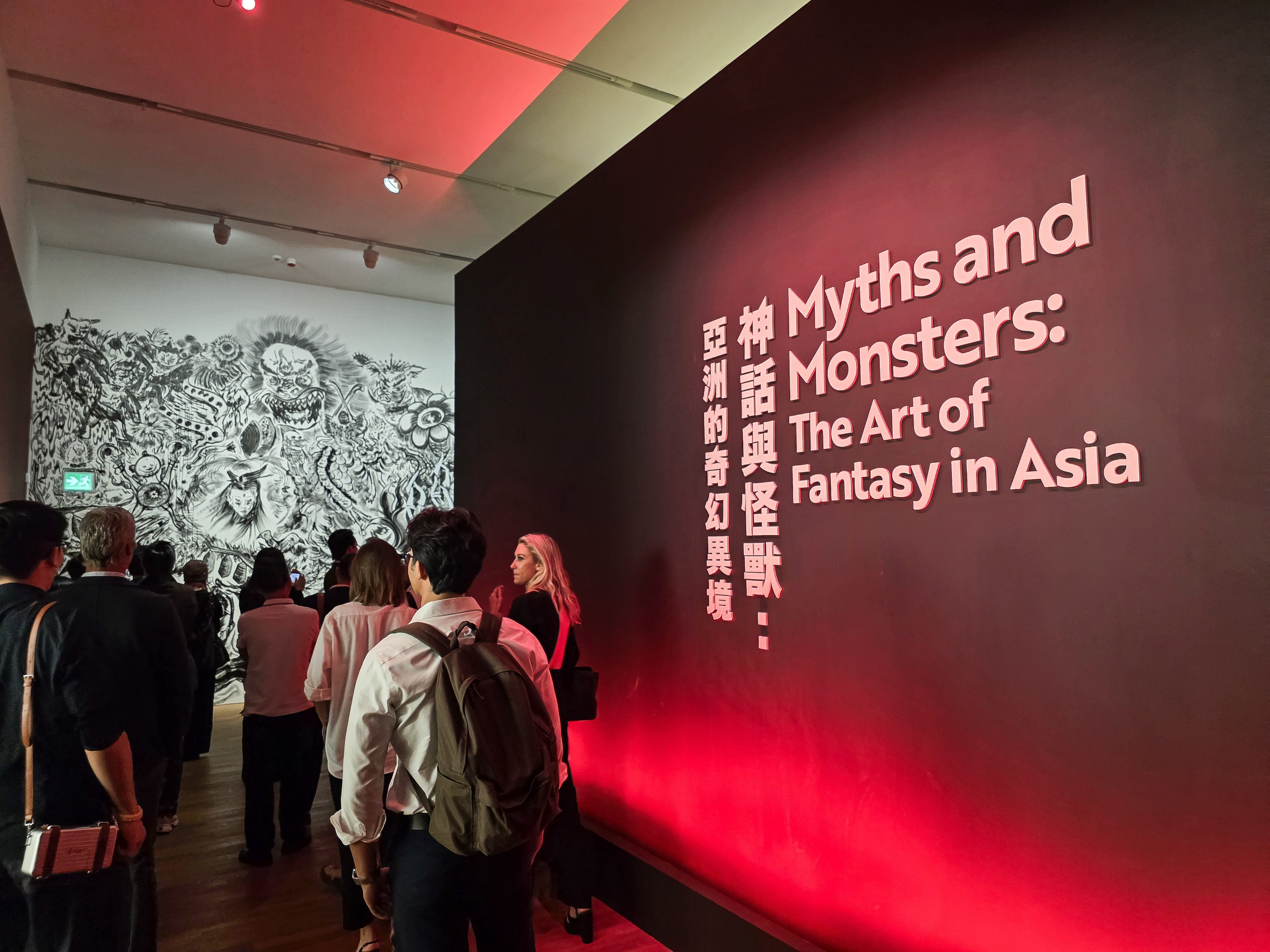
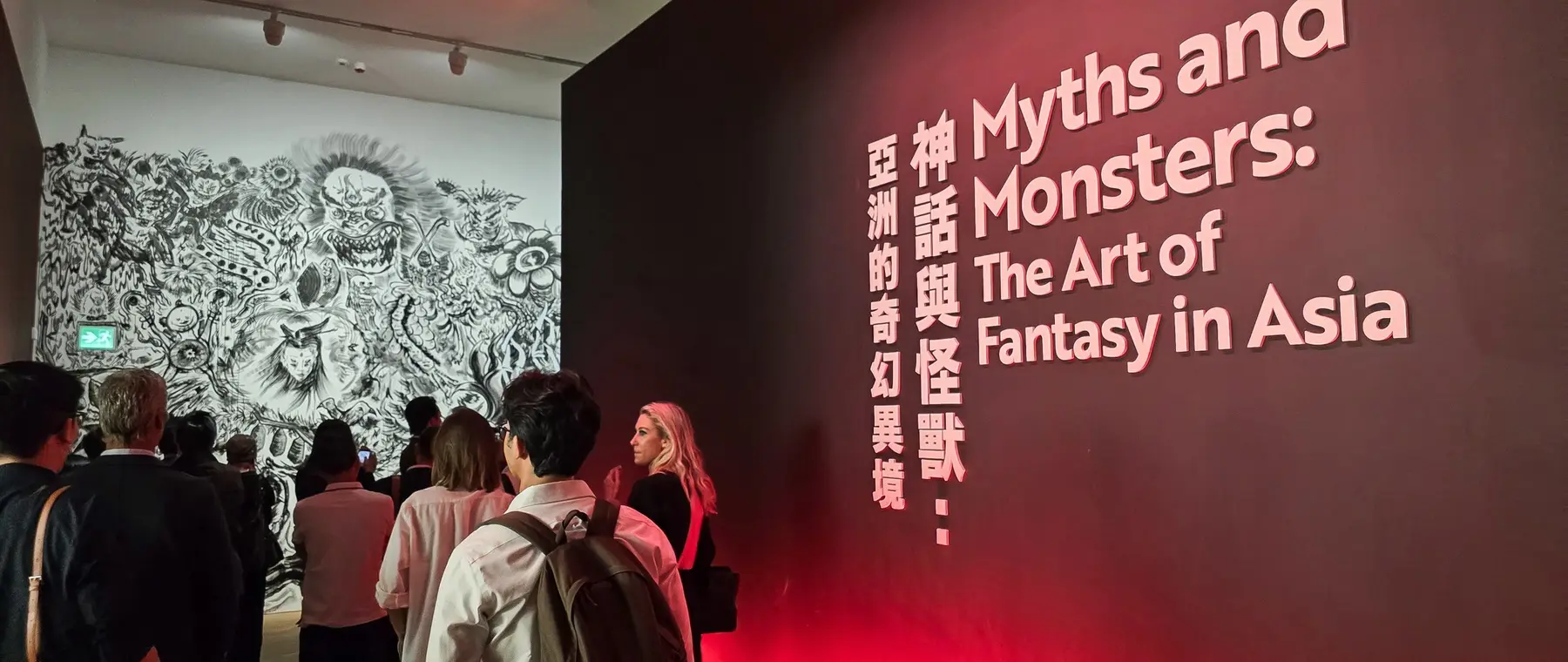
Sanlorenzo Asia-Pacific has reported a private gathering at M+ in Hong Kong's West Kowloon Cultural District, organised around the exhibition Myths and Monsters: The Art of Fantasy in Asia. The regional yacht company connects the event with the tenth anniversary of Sanlorenzo Arts in 2026, a programme intended to bring design, creative work and cultural institutions into conversation with its owners and partners. This is an account of a completed cultural event, not an announcement of a new yacht model or a general museum opening. The company's official photographs identify the gathering as a particular occasion rather than a proposal. Its significance for the yacht industry lies in the way a builder engages with clients beyond the specification and sale of vessels.
The distinction between the host and exhibition organiser matters. M+ is the museum and the curator of the exhibition setting; Sanlorenzo APAC hosted its invited group within that setting. A private viewing does not establish that the yacht company commissioned every artwork or designed the exhibition itself. The official Sanlorenzo article frames the occasion as cultural patronage and engagement, but the substance of the museum's programme should be understood on its own terms. The result is a specific example of how a maritime brand can connect with a wider visual culture without presenting an art event as proof of yacht design performance.
Ten years of the Sanlorenzo Arts programme
Sanlorenzo describes 2026 as the tenth anniversary of Sanlorenzo Arts, the company's cultural platform. Its purpose, according to the regional announcement, is to foster dialogue with contemporary creative work and institutions. A decade provides a meaningful point for assessing such a programme, but the anniversary itself does not quantify the number of exhibitions supported or the commercial benefits generated. Those questions require a fuller record. The Hong Kong event demonstrates one way the company wants to mark the milestone: by providing an opportunity for invited participants to explore work outside the marine sector.
For collectors and owners, cultural programmes may deepen a relationship with a builder in ways that cannot be achieved through repeated product presentations alone. They can create encounters with artists, museum professionals and other interested people. But participation should be assessed on the quality of those encounters, not merely the exclusivity of access. A successful relationship between a commercial company and a cultural institution should respect the institution's independence and the artists whose work is being shown. The most credible form of patronage supports curiosity rather than expecting culture to function only as a luxury marketing device.
M+ provides a distinctive institutional setting
The museum's location in the West Kowloon Cultural District places the gathering within one of Hong Kong's major spaces for modern and contemporary visual culture. Sanlorenzo's account identifies M+ as the venue and describes the visit as an opportunity to explore a major special exhibition. A museum environment differs from the showrooms and exhibition marinas where yacht companies usually meet prospective clients. Its central activities concern art, design, moving images and the interpretation of cultural objects, not yacht sales. That difference can make the visit more meaningful by introducing subjects that exist independently of the host company's products.
A private gathering also differs from a normal museum visit. Participants may benefit from a particular programme, yet the company's release does not specify every curatorial service or promise permanent special access for future clients. Readers who want to see the exhibition should consult the museum's own schedule, admission rules and availability. The Sanlorenzo account reports what the group experienced, rather than establishing the rights of other visitors. Maintaining that distinction is especially important when reporting on a cultural institution through a commercial first-party announcement.
Myths and Monsters explores fantasy across Asian visual culture
The event centred on Myths and Monsters: The Art of Fantasy in Asia, which Sanlorenzo describes as examining the role of fantasy in Asian visual culture from the nineteenth century to the present day. The exhibition brings together references to mythology, folklore, popular culture, animation and digital environments. This breadth challenges the idea that fantasy belongs only to contemporary entertainment. Mythic imagery and imaginative storytelling can appear in traditional printmaking, cinema, illustration and modern digital media, taking on different meanings as societies and technologies change.
Such a programme is not evidence of one uniform Asian tradition. The region includes many languages, histories and approaches to storytelling, and the works should be understood through their individual cultural contexts. An exhibition that places older print traditions near contemporary media may create revealing comparisons, but those relationships remain curatorial interpretations rather than a fixed historical narrative. Visitors can approach the subject through the objects themselves and the museum's explanations. A yacht company's description may introduce the theme; deeper understanding depends on the exhibition and its scholarly sources.
From spirit prints to cinematic creatures
The official Sanlorenzo account refers to traditional woodblock images of spirits and ghosts as well as cinematic monsters, manga and digital landscapes. The contrast reveals how imagined beings can be represented through different materials and technologies. An old print may rely on line, colour and carefully developed conventions, while a film or animated image can use movement and sound. The emotional themes may overlap, but the means of expression are not interchangeable. Visitors may discover that fantasy is a vehicle for examining fears, hopes and social change rather than simply escaping everyday reality.
A brand-hosted evening can provide time for conversation about such subjects, but it should not be reported as though every invited guest interpreted the artworks in the same way. The company's press statement does not include independent interviews with participants or critical reviews of the exhibition. The useful factual point is the range of media that the announced visit brought into focus. For someone familiar with design, the museum offers a chance to think about how visual language travels between different fields while retaining the specific histories of the works on display.
A relationship with the disciplines of yacht design
Sanlorenzo draws a connection between the imagination involved in visual culture and the design of yachts. There is some value in that comparison: an owner, architect, interior specialist and builder often begin with ideas that must eventually be expressed through physical forms. Yet the analogy has limits. A museum artwork and a vessel have different purposes, obligations and measures of success. A yacht must function as a safe marine structure, with stability, engineering and regulatory requirements that cannot be suspended for an attractive visual concept. Designers can be imaginative within those constraints, but safety remains a practical responsibility.
Art can still enrich the way a design team thinks about spatial experience, materials and cultural references. Owners may also collect work that influences the character of a private interior. However, a brand's association with a museum does not establish that its yachts incorporate any particular artist's design or that they perform better as a result. A responsible industry report separates cultural dialogue from technical claims. The event illustrates an interest in creativity, not a new naval architecture specification. That distinction allows the cultural relationship to be valued for what it actually offers.
Collectors and brand partners form the invited audience
Sanlorenzo says its regional team welcomed collectors, art enthusiasts and brand partners to the Hong Kong gathering. This indicates an audience extending beyond people immediately negotiating the purchase of a yacht. A collector may be interested in visual works, an existing owner in design and travel, and a business partner in the wider culture surrounding the company. Providing a shared experience can support relationships over time. But the announcement does not identify every attendee or establish whether particular sales followed the event, and such outcomes should not be invented.
It is also important to consider the difference between meaningful cultural engagement and exclusivity for its own sake. A private viewing may allow a smaller group to explore an exhibition in depth, but the underlying artistic contribution belongs to the institution and the makers. Good reporting credits those sources. The idea that luxury ownership can include cultural experiences is familiar, yet it should not imply that art is available only through private invitation. The museum's public programme remains important, with different ways for visitors to participate according to the actual access arrangements.
Hong Kong's importance to regional yacht representation
Hong Kong provides a setting where international business, waterfront life and cultural institutions coexist within a dense urban environment. Sanlorenzo APAC's decision to host an event there reflects its engagement with people and partners in the region. The company's current programme is one part of a wider regional presence, but the official article does not release figures for new yacht orders, local fleet size or market share. Those indicators would require separate verified sources. A cultural event should not be used as a proxy for commercial performance.
For owners visiting Hong Kong by sea, the practical relationship between cultural destinations and marinas involves separate transport and berthing arrangements. M+ is a museum in the West Kowloon Cultural District, not a marina or a tender terminal made available by the yacht builder. The city's geography can offer opportunities to combine time aboard with visits to galleries and exhibitions, provided appropriate local arrangements are made. The main relevance to the yachting industry is how a regional representative engages with the broader interests of its clients and community.
Cultural engagement should be assessed over time
The tenth-anniversary context raises a useful question about whether an arts programme creates continuing opportunities for learning and exchange. One event can be memorable, but long-term engagement is more demanding. Partnerships may involve support for exhibitions, sustained conversations with institutions and careful attention to the rights and perspectives of artists. The announcement does not provide an independent assessment of Sanlorenzo Arts' full decade of activity, so it would be premature to describe its impact through invented statistics. What can be verified is the company's decision to mark the milestone through a particular museum gathering.
Luxury businesses increasingly speak of experiences and relationships as extensions of their core products. That language can be meaningful when there is a substantive programme behind it, but it can also become vague if not tied to actual events and organisations. The M+ gathering has identifiable participants, a named venue and a specific exhibition, making it suitable for factual reporting. Future coverage can examine additional initiatives on their merits. The value of this event lies in the chance to encounter and discuss creative work, not a promise that cultural participation will lead to a particular commercial result.
What the official Hong Kong release establishes
Sanlorenzo APAC's first-party statement confirms a private event at M+ centred on Myths and Monsters: The Art of Fantasy in Asia, organised in connection with the 2026 tenth anniversary of Sanlorenzo Arts. It identifies invited collectors, art enthusiasts and business partners and describes the exhibition's scope from older traditions to contemporary visual media. The accompanying photograph comes from the company's official documentation of the gathering and is credited to the original publisher and creators. The company has not reported a new yacht launch or a measurable sales outcome through this release.
Luxury Yacht Guide covers the gathering as an industry-facing cultural initiative by a yacht builder, with the museum's own role and the exhibition's subject kept distinct from Sanlorenzo's commercial interests. As with any event reported through a participant's press statement, independent critical evaluation would require additional perspectives. The immediate verified development is a named regional yachting company using a real Hong Kong museum exhibition to mark a ten-year arts programme. It shows a side of yacht ownership and brand engagement that exists beyond marina berths, specifications and contracts.
Sources and image credits
Reporting based on Sanlorenzo APAC: first-party official 2026 statement.
Lead photograph: Sanlorenzo APAC Marks Its Arts Anniversary at Hong Kong M+ Museum — official Sanlorenzo APAC first-party press photograph, LYG 25 November 2026. © Sanlorenzo APAC; original image and underlying artwork rights remain with their owners. First-party press source, editorial attribution. Original official image source.