A Menorcan answer to the high-volume flybridge yacht
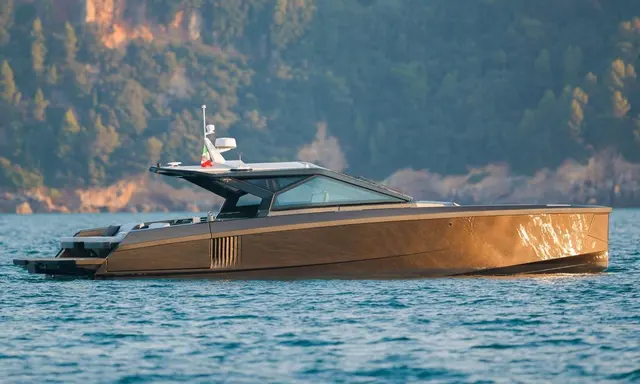
Sasga Yachts' Menorquín 68 FB offers a very different interpretation of the 20-metre-plus motor yacht. Instead of pursuing the most aggressive contemporary profile, the Menorca-based builder draws on the visual language of the traditional Balearic llaüt. The result combines a relatively full-bodied hull and a prominent flybridge with spaces intended for long, unhurried coastal exploration.
The current official specification gives an overall length of 21.24 metres, a beam of 5.80 metres and a draft of 1.60 metres. Those are meaningful dimensions for a family yacht operating around Mediterranean islands: the beam contributes interior volume, while draft and overall length affect access to smaller harbours. Owners should still check hull-specific measurements and berth limits before committing.
The manufacturer promotes tradition, customisation and comfort as central values, but those words deserve examination through the layout and technical details. A strong sense of identity can make a yacht attractive over many years, provided practical demands such as service access, visibility and weather protection are solved just as carefully as the exterior appearance.
The flybridge is a genuine second living level
Sasga describes panoramic views from the flybridge and seating for eight people, along with a galley arrangement incorporating a refrigerator. That transforms the upper deck into a distinct gathering area rather than merely an alternative position from which to steer. For Mediterranean owners, it can become the centre of a quiet lunch at anchor or a scenic coastal passage.
The practical value of the flybridge depends on how guests circulate between levels. A skipper should review stair access, handholds, shade and the ability to communicate between upper and lower helm positions. An upper-deck dining arrangement is less useful if carrying meals from the galley requires awkward movements or if the crew cannot secure lightweight items when a breeze arrives.
Buyers also need to consider the bridge height, radar and antenna arrangement in their chosen configuration. A yacht with expansive upper living spaces may have different storage and route restrictions from a lower-profile express cruiser. These trade-offs are manageable, but they should form part of the home-marina discussion before the aesthetic advantages take over the decision.
A spacious foredeck and three guest cabins
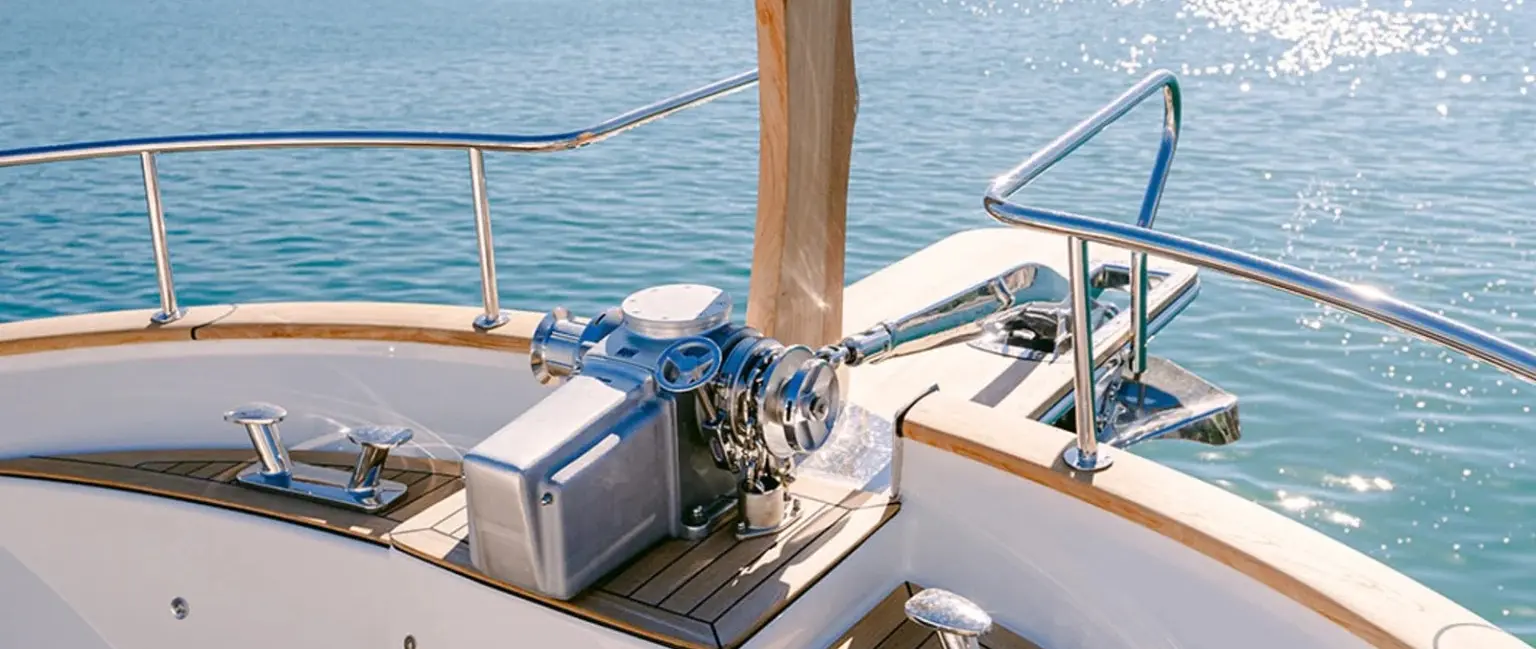
The foredeck incorporates the builder's recognisable bow treatment, anchoring equipment and a large seating and sunbathing area. This creates another place to enjoy the surroundings without crowding the aft cockpit. Owners who often anchor for swimming or lunch may find the spread of exterior living spaces especially valuable, while those who travel in exposed conditions must consider safe access and securing cushions.
Below, Sasga describes an owner's cabin and two VIP guest cabins, with separate crew accommodation accessible near the galley. The model's technical information describes a three-guest-cabin configuration with additional spaces and options, making it important to read the general arrangement alongside the sales specification. Photographs of a customised hull are not a substitute for the floorplan of the boat being ordered.
Bathroom arrangements are another practical strength highlighted in the manufacturer's description. A travelling family gains independence when cabins have accessible facilities, and separate crew circulation can help service proceed without intruding on guest areas. Owners should verify berth dimensions, storage volume and noise insulation, because three nominally generous rooms can still differ markedly in everyday comfort.
Power, tankage and the conditions behind performance claims
The official technical sheet lists a maximum engine rating of two 725-horsepower units, with a quoted maximum speed of 23 knots and cruising speed up to 19 knots. These are builder figures rather than measurements taken during an independent sea trial for this article. Loading, propellers, sea state and the installed machinery will determine the actual pace of the finished yacht.
Fuel capacity is specified at 3,350 litres and freshwater at 1,433 litres. That water capacity is particularly relevant to longer family stays, where showers, galley work and laundry can make ordinary consumption surprisingly high. The yacht may carry more than enough for a relaxed weekend, but crews should calculate an itinerary against realistic onboard habits and replenishment opportunities.
Significantly, Sasga's current online summary does not display a numerical range for the Menorquín 68 FB. Prospective buyers should not infer one from tank size and advertised cruising speed. A reliable passage plan needs performance data for the exact engine configuration, an appropriate fuel reserve and an understanding of the conditions under which the vessel will normally operate.
Design freedom without losing a practical brief
Sasga promotes a substantial degree of personalisation, which can be valuable for owners who want a boat that reflects the way they live rather than a showroom default. Finish choices, seating arrangements and equipment can be discussed during the order process. The challenge is to distinguish options that improve long-term usability from those that add weight, cost or maintenance with little benefit.
The saloon includes a principal seating area and helm station, with routes toward the galley and lower cabins. On a yacht intended for leisurely coastal cruising, this sequence of rooms is fundamental: meals, watchkeeping and guest movement happen repeatedly throughout the day. Owners should view the working galley, storage and service access with the same attention given to the fine woodwork.
Customisation should also be documented thoroughly. Changes to onboard systems, lighting or air conditioning can have implications for power consumption and serviceability. A clear final equipment list, spare-parts schedule and wiring diagram will be useful long after delivery. The most rewarding personal touches are those that remain straightforward to operate in unfamiliar ports.
Who should put the Menorquín 68 FB on a shortlist?
The model is best suited to owners who appreciate the traditional Menorcan profile but still want a modern flybridge yacht with generous open-air living areas. Its stated 21.24-metre length, wide beam, three main guest cabins and substantial freshwater reserve place the emphasis on comfortable cruising. The builder's claim of long-distance suitability should be tested through the actual cruising plan rather than an unspecified headline range.
During a viewing, ask to see the upper-deck galley arrangement, storage for deck cushions, access around the foredeck and the crew route between accommodation and service areas. Request a trial that demonstrates sight lines, manoeuvring and noise at normal cruise. These details are more informative than a maximum-speed number when the intended use is extended coastal living.
All dimensions and layout details in this account come from Sasga Yachts' official Menorquín 68 FB material, which notes that photographs may depict customised builds. Buyers should confirm the final model-year specification and equipment in writing. For a family that values a distinctive Mediterranean character and measured cruising rather than conspicuous speed, the 68 FB is an interesting proposition.