The famous ocean race moves from entry lists to the launch stage
The Cruising Yacht Club of Australia formally launched the 81st Rolex Sydney Hobart Yacht Race on 27 November 2026, one month before its scheduled Boxing Day start. In a dated official announcement, the organiser described a fleet of around one hundred yachts, including the defending champion and four 100-foot maxis, and placed the event's broader appeal in the spotlight.
The news is the media launch itself, not a claim that the boats have already started racing or that a winner has been determined. For readers interested in yachts from 12 to 23.99 metres, the public presentation is a useful prompt to examine boats beneath the maxi class. The separate official 2026 yacht-entry list includes Antipodes, a Santa Cruz 72 whose approximately 22-metre scale belongs to this publication's range.
A date that matters for accurate reporting
The event's organising website dates the launch story to 27 November at 9:28am local time, while listing the race start for 26 December 2026. That sequence separates an official pre-race news event from the actual offshore contest. It is important not to describe starting-line conditions or race progress before the fleet has left Sydney Harbour.
Entry lists and marketing forecasts can evolve before a major offshore event. The public media launch establishes the organisers' stated fleet picture on that date, not an immutable tally of boats that will ultimately start. The responsible follow-up will be a confirmed starting list or official racing update after the relevant time, rather than an inferred outcome based on the launch photographs.
Antipodes supplies a sub-24-metre connection
The official 2026 race-entry list includes Antipodes, a Santa Cruz 72 representing Hong Kong and associated with owner Geoffrey Hill. Its type designation denotes a 72-foot racing yacht, approximately 21.95 metres, which places this listed vessel within the 12–23.99m editorial scope. The organiser's entrant listing displays the boat's identifying sail information and home connection, providing a concrete reference beyond a generic account of larger maxis.
The model description is not enough to establish a final start or finishing classification in the 2026 race. Competitor details should be checked against the organisers' later official records. For this report, the relevant verified fact is that the race organiser records this yacht's entry in the 2026 fleet while separately holding its dated media launch.
Why a 72-foot yacht matters alongside maxis
Much of the race's publicity naturally concentrates on 100-foot designs and the fight for line honours. Their size, high-profile crews and distinctive silhouettes make them easy subjects for broadcast coverage. But the Sydney Hobart's character also comes from yachts that are considerably shorter yet still confront the demanding offshore passage from New South Wales to Tasmania.
The Santa Cruz 72 represents a very different balance of length, sail plan and onboard accommodation from a 100-foot maxi. It remains a substantial sailing yacht, but its role in the fleet helps show why event coverage should not be reduced to the largest entrants. A fair report acknowledges the maxis without suggesting the shorter fleet is merely background scenery.
The organising club's role
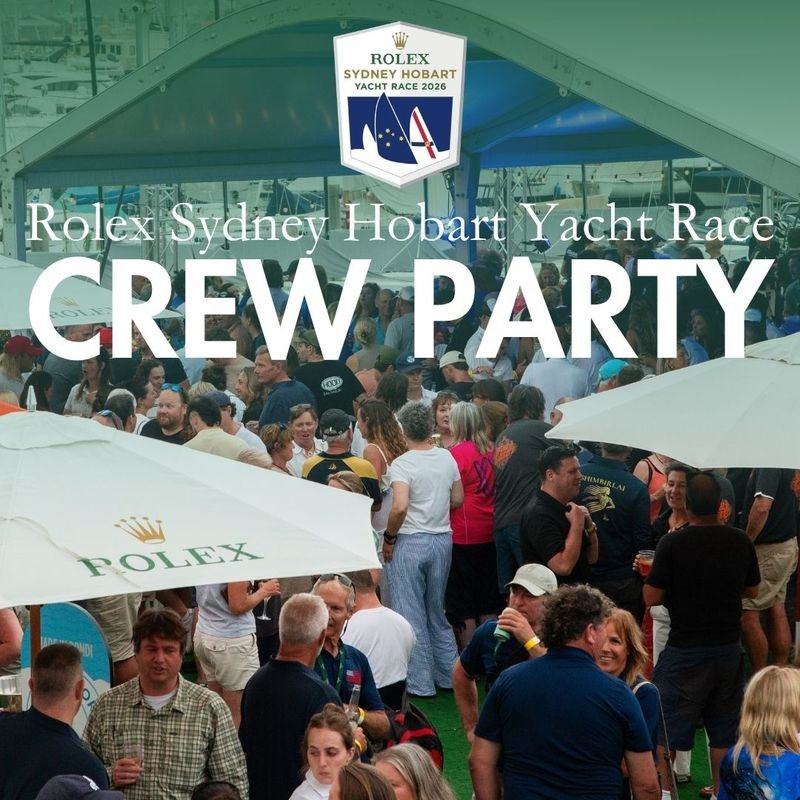
Official CYCA Rolex Sydney Hobart promotional event artwork or photography, not a verified photograph of the 2026 race at sea. © Cruising Yacht Club of Australia and the original photographer.
The Cruising Yacht Club of Australia, known as the CYCA, organises the race and hosted the launch at its Sydney base. An official event presentation is a reliable source for the scheduled date, stated entry picture and featured yacht profiles. Those details belong to the organisers rather than second-hand speculation about which competitors may perform best.
It is still useful to distinguish an organiser's promotional language from independent measurement. A launch can celebrate participants and history without predicting finishing positions. The club's story establishes what it announced on the day, but the actual competition will be judged at sea under the published race regulations, not at a press event.
What the hundred-yacht figure tells readers
The official announcement describes a fleet of 100 yachts being unveiled. That statement conveys the scale and variety of the event at launch. It should not be interpreted as a final audited starting count, especially when entries, withdrawals and compliance checks can change before 26 December.
The difference between an entry total and a race-start total matters in offshore reporting. A yacht may appear on a preliminary list but ultimately not start for any number of reasons. The newsroom will therefore avoid converting the organiser's launch phrasing into a claim about a fleet already on course. Readers deserve a clear distinction between what is scheduled and what has occurred.
The 2026 defending champion and the chase
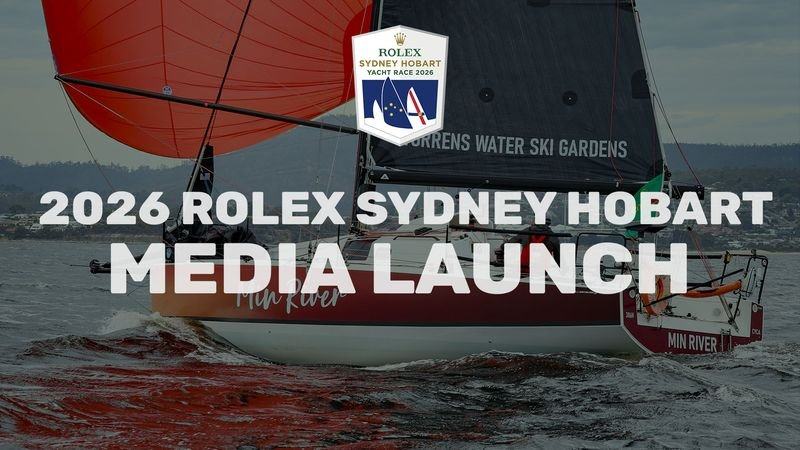
Official CYCA Rolex Sydney Hobart promotional event artwork or photography, not a verified photograph of the 2026 race at sea. © Cruising Yacht Club of Australia and the original photographer.
The media launch brings the previous champion back into the frame and notes the presence of four 100-foot maxi yachts. Their competitive intentions offer a compelling narrative for spectators, but the announcement does not settle the outcome of the forthcoming race. Any suggestion that a new champion is certain would be unsupported.
A yacht's status as an established contender can be relevant background, especially in a fleet that combines experienced teams and newcomers. Yet history alone does not decide a race. Equipment reliability, navigation decisions, weather, crew work and ordinary sporting unpredictability remain central. The launch is the beginning of public anticipation rather than a scorecard.
Ocean racing is not the same as coastal display sailing
The route from Sydney to Hobart is an offshore undertaking rather than a parade along sheltered shoreline. Boats must be equipped and crewed for changing conditions, extended watches and serious navigation work. This helps explain why the race has retained such a strong international reputation and why a yacht's actual preparations deserve more attention than its appearance on launch day.
No announcement photo can prove an entrant's readiness for all conditions. Owners and crews are responsible for meeting the relevant rules and making their own decisions. The proper lesson from a fleet media launch is the seriousness of the undertaking, not a blanket guarantee of safety or of a predictable race experience.
Line honours and corrected time represent different stories
A famous long-distance handicap race can generate multiple narratives. The yacht first across the finish line receives attention for its absolute passage speed, while results under the applicable handicap system can reveal a different performance story. It would be misleading to treat the biggest yacht's finishing position as the only meaningful measure of success.
For readers following yachts around twenty metres, corrected-time competition may be particularly relevant. However, the official 27 November story does not supply 2026 finishing tables, so none can be attributed to this event yet. The distinction simply helps readers understand why smaller entrants remain important to the race's competitive structure.
The role of offshore crew preparation
A long offshore course demands shared understanding between people aboard. Sail handling, navigation, communications, rest and emergency duties should be planned before departure. These practical realities apply to a Santa Cruz 72 as much as to a much larger racing yacht, even though the detailed crew organisation can differ.
The media launch is not a published inspection report, and the organisers' announcement should not be stretched into a judgement about any particular yacht's compliance. It creates a public frame for the race, while technical checks and individual preparation remain separate tasks. The gap between publicity and operations is worth keeping visible in specialist yachting coverage.
Sydney's harbour is only the beginning
The race starts from an internationally recognisable city, and its departure is a major public occasion. A fleet assembling in the harbour creates impressive photographs and attracts spectators who may not otherwise follow offshore sailing. The spectacle helps communicate the event's scale, but it should not obscure the different challenge that begins once the fleet leaves the city behind.
The difficult parts of the race can take place far from shore cameras. Conditions off the Australian coast and toward Tasmania shape the passage, and the eventual result depends on decisions made over many hours or days. A photo from the launch is useful for identification, not proof that the eventual course will be quick or uneventful.
International crews strengthen the field
Antipodes' Hong Kong identity in the official entry list demonstrates the event's reach beyond Australian crews. International participation adds different sailing backgrounds and brings the race to a wider audience, while the CYCA remains the organiser responsible for the event's structure and published information.
A yacht's represented location or owner association should not be turned into unsupported claims about the complete nationality of every crew member. Such details can change and deserve separate verification. The important public fact is that the organisers' current entry list includes an international yacht as the event approached its formal 2026 launch.
How archive photography should be presented
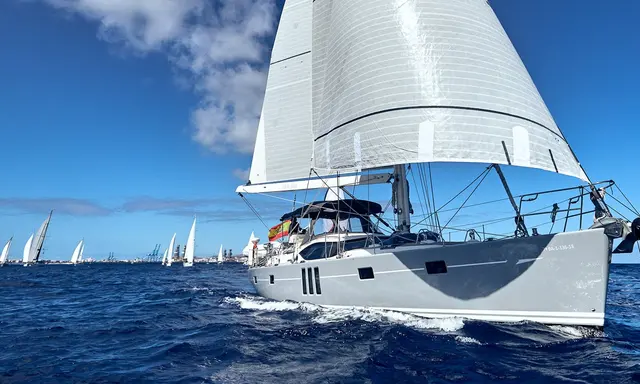
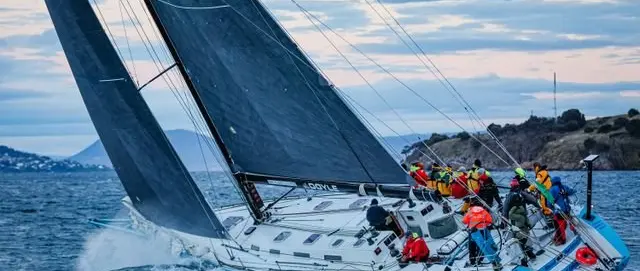
The official media page includes a photograph of Antipodes from the 2024 Rolex Sydney Hobart, as well as photography connected with the 2026 launch. The earlier image is useful for illustrating the vessel, but it must be described accurately as archival rather than passed off as a photograph from this year's race.
This approach also clarifies image rights. Photographs hosted by the event organiser relate directly to its own media announcement and should retain the original organiser and photographer attribution. They are not generic yachting stock, and their presence on the organiser's website does not transfer copyright to an independent publication.
No attempt to forecast the result
The combination of a defending champion, a maxi challenge and an international fleet naturally encourages predictions. But a credible report written at the launch stage should resist presenting guesses as facts. It cannot know which yacht will lead at key points, whether a weather system will favour particular designs or what will happen to the smaller entrants.
The correct basis for subsequent race reporting will be official tracking, dated race bulletins and confirmed results. Until those are available, the launch is newsworthy in its own right as a formal declaration of the race field and its public storylines. This avoids manufacturing breaking news where nothing has occurred.
What owners of 12–23.99m yachts can learn
A Santa Cruz 72 in the official event spotlight provides a link between the world's most visible offshore races and the yacht sizes typically covered by Luxury Yacht Guide. The boat is larger and more specialised than a casual family cruiser, but it remains short of the superyacht size threshold. Its presence demonstrates the breadth of activity available within the category.
Owners considering offshore sailing should not mistake a professional race yacht's features for a checklist that applies to every cruiser. Different designs and crew expectations require different approaches. What can be shared is the importance of planning, sound maintenance and realistic respect for the conditions in which a boat is intended to operate.
The next milestone is 26 December
For now, the dated facts are that the CYCA held its official media launch on 27 November 2026, presented a broad fleet, and separately listed international yachts including the approximately 22-metre Antipodes on its 2026 entry roster. The scheduled racing start remains Boxing Day, 26 December, subject to the official race programme.
The launch gives the 81st Rolex Sydney Hobart its formal public introduction, but does not provide this year's winner, corrected-time standings or definitive starter count. Those details must await the appropriate event records. For an informed sub-24-metre audience, that is the right boundary between meaningful, timely coverage and unsupported speculation.
Sources and image attribution
Reporting based on Primary dated announcement / verified organiser or builder source, Independent corroborating or official model specifications. © Cruising Yacht Club of Australia, Rolex Sydney Hobart and original event photographers. Genuine first-party CYCA racing and 2026 media launch imagery. 2024 Antipodes photograph clearly identified as archival; no false 2026 action photographs. This report differentiates current award/show/news events from earlier first-party model photographs.