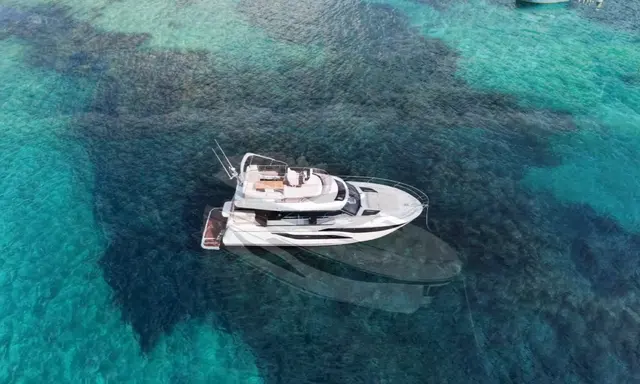
Riva has introduced the 56-foot Rivale Super, a redesigned open motor yacht measuring 17.27 metres overall with a beam of 4.74 metres. The Sarnico builder's official announcement, dated 25 November 2026, positions the model as an evolution of one of its longest-running design families. The new boat retains the recognisable profile of the Rivale while revising cockpit arrangements, helm ergonomics and interior details. Two MAN V8 engine options are available, with the manufacturer publishing preliminary maximum-speed figures of 34 and 38 knots depending on the installation. These are company-provided specifications rather than results of an independent sea trial.
A twenty-year open-yacht lineage
The Rivale story reaches back to the 52-foot model introduced in 2003 and the subsequent 56-foot version of 2017. Riva says the new Super edition continues that lineage without treating the yacht as an entirely different product class. This continuity matters to buyers who appreciate a recognisable style and established approach to outdoor living. It also creates an interesting challenge for designers: a familiar design must be updated enough to feel current while retaining the proportions that made it recognisable.
The yard identifies Mauro Micheli and Sergio Beretta of Officina Italiana Design as the designers, working with Ferretti Group's product and engineering departments. Their involvement provides continuity with a long history of Riva projects. At the same time, the official release makes clear that the new boat includes practical changes. For an owner, the useful question is which details improve daily use rather than merely preserve the aesthetic identity of the range.
Revised exterior proportions and details
The first Rivale Super features a Jeans-coloured exterior paired with Bright Black details. Riva describes a revised deck profile around the windscreen and subtle changes to side air-intake grilles. The grilles are now painted to match the hull, while the side windows have been slightly extended. These changes may appear modest in isolation, but the visual balance of an open yacht depends on the relationship between hull surfaces, glazing and the deckhouse. The builder is presenting them as an integrated design refinement.
A darker trim can emphasise the outline of a boat, while the treatment of air intakes influences how functional openings are visually connected to the hull. Those decisions matter to owners who view the yacht as a piece of crafted industrial design. They do not, however, establish improved performance or lower maintenance costs without separate evidence. Buyers should consider the durability and repairability of chosen finishes alongside appearance, particularly when a vessel will be used regularly in strong sunlight and saltwater.
Cockpit built around the open-air experience
The cockpit receives substantial attention in the announcement. A stern sunpad leads toward forward-facing seating, an L-shaped sofa with a convertible mahogany-topped table and another raised seating area further forward. A bar unit to starboard includes a sink and an ice maker, with refrigerator and grill options available. This layout suggests a boat intended for owners who spend considerable time entertaining outdoors at anchor or on short cruises. The arrangement can be assessed properly only by seeing how many guests can move around it comfortably.
A generous cockpit should also be practical at sea. Fixed furniture can influence access to handholds, stowage and deck routes, while a convertible table needs to remain secure in different positions. Owners should check the dimensions of the main seating areas and how they interact with the helm and stern access. A layout that looks excellent in photography may have different limitations when several people are moving around after a swim. The builder's description is detailed enough to identify what is offered, but it cannot replace that onboard inspection.
Tender garage and bathing arrangements
The aft garage is designed to accommodate a Williams 325 Turbo Jet tender, according to the manufacturer. Access to the cockpit runs along both sides of the carbon-fibre hatch. On the port side, lowering the swim platform reveals steps integrated into the hull for boarding from the water. These details show how the designers have tried to combine sleek exterior lines with practical waterside activity. They also raise the operational questions that every owner should ask about moving a tender and managing people around the stern.
The dimensions of the garage and the specified tender should be checked with the exact boat and equipment configuration, particularly where a customer wants a different tender or additional water toys. Weight and securing arrangements matter, and an enclosed garage must be used in accordance with its systems and safety procedures. Likewise, moving platforms should have clear operating instructions. The opening announcement confirms the feature design but does not make it appropriate to assume that any tender of approximately the same length will necessarily fit.
A bimini and more flexible climate comfort
Riva identifies a standard electro-hydraulic bimini over the cockpit and an optional outdoor air-conditioning installation. Shade is valuable on an open yacht, especially in the Mediterranean and warmer cruising grounds. Yet the usefulness of a bimini depends on how it is positioned, the protection it gives and the boat's operating limits. It is also worth considering the relationship between shade and views from the helm or seated areas.
Outdoor air conditioning is a distinct option and should not be confused with the climate systems serving the interior. An owner should ask how it operates, what electrical or mechanical demand it creates and how effectively it can work in changing wind conditions. The official announcement identifies the available feature but does not publish independently verified energy use. These practical questions are important because convenience equipment can influence maintenance and operating costs long after the initial purchase.
Helm electronics and improved ergonomics
The revised helm includes digital instrumentation and two Simrad touchscreens: a 12-inch display and a 15-inch ultrawide unit, with an additional 12-inch screen available as an option. Riva also lists XENTA electronic throttles and a Humphree trim-control system. A WATCHIT Sense 360 collision-avoidance system is available on request. The company says it has redesigned the pilot's chair and dashboard to make controls easier to access. These are meaningful details for a performance-oriented motor yacht that may be driven actively by the owner.
The presence of advanced electronics does not replace seamanship or a properly maintained lookout. Systems vary in the information they can display, and optional equipment should be confirmed in the specification. Buyers should sit at the helm, examine screen visibility in different lighting conditions and ask how commonly used functions are accessed underway. The best interface is one that supports clear decisions without requiring unnecessary attention away from the water. Riva's announcement identifies the equipment, but real usability needs direct evaluation.
Interior finishes update familiar Riva themes
Below deck, Riva uses high-gloss Chocolate Wengé, mirrored surfaces, tinted glass and stainless-steel details. These materials preserve the polished character associated with its open-yacht interiors while providing a contemporary setting for accommodation. The main lounge contains an L-shaped dinette sofa and a storage unit with an integrated television. A galley with a Corian worktop lies forward, and there is a separate day head near the entrance to the dinette.
High-gloss surfaces can look striking, but a private yacht is also a moving environment where objects and people need secure support. Owners should examine how storage doors are latched, where everyday equipment can be placed and whether the chosen finishes suit their normal usage. Material care is another consideration: glossy lacquers, leather and glass may require particular cleaning and protection. The maker's design language is a legitimate attraction, but comfort over several days also depends on lighting, ventilation and workable circulation.
Two main cabins and a flexible additional space
The standard arrangement includes an aft master cabin and forward VIP cabin, both with en-suite bathrooms. Riva describes a transverse bed in the master suite and a private bathroom separated by smoked glass. A crew cabin with separate access from the cockpit is also part of the standard plan. At the owner's request, that space can instead be configured as a third guest cabin with bunk beds accessed from the lower lounge. This creates a genuine choice between a crew-oriented operating plan and extra family accommodation.
The correct arrangement depends on how the yacht will be used. An owner who employs professional crew for frequent passages may value the separate cabin and access route. A couple who primarily operates the boat themselves might prefer space for occasional guests. It is important to understand the consequences for storage, privacy and compliance rather than deciding solely by the number of berths. The alternative arrangement is a builder-described option; the final delivered configuration needs to be specified in the purchase documents.
Two MAN engine packages offer different speeds
Riva's standard option is a pair of MAN V8-1000 engines, each rated at 1,000 horsepower, with a company-stated top speed of 34 knots and cruising speed of 28 knots. An alternative package uses MAN V8-1200 engines, each producing 1,200 horsepower. The first Rivale Super carries this more powerful installation, for which the builder quotes preliminary figures of 38 knots maximum and 32 knots cruising speed. These numbers are not a guarantee that every boat will reach the same speed under all conditions.
A buyer should also look beyond the difference in top speed. Fuel use, noise, servicing arrangements and the effect of additional power on the intended cruising programme may be more important. The official release does not provide directly comparable fuel-consumption curves or a verified range for each engine package. Those figures should be requested under defined loading and sea conditions. A faster yacht can be attractive, but the practical benefit depends on how often the owner intends to use the available performance.
Stabilisation is another optional choice
The manufacturer lists a Seakeeper NG6 gyroscopic stabiliser as an option to reduce rolling motion at anchor and underway. The technology is an example of how comfort systems can influence a vessel's suitability for guests who prefer a calmer experience. However, the effect of a stabiliser depends on installation and operating conditions. It also introduces machinery and maintenance requirements, so its inclusion should be assessed with regard to the owner's actual cruising territory.
An owner planning long days at anchor with family may assign a high value to stabilisation, while someone who uses the yacht mainly for short runs in settled weather might evaluate the tradeoffs differently. The presence of a particular brand name in an options list is not proof of tested performance on the boat. A buyer should seek the manufacturer's installation data and the yacht builder's explanation of how the system fits with its electrical and structural arrangements.
The meaning of a Super evolution
The newly announced Rivale Super is a refinement, not a departure from the open-yacht concept. Its dimensions, hull styling, social cockpit and cabin layout remain directed at owners who value the combination of performance and outdoor living. The changes to glass, helm and optional comfort equipment suggest an attempt to make the formula more flexible for contemporary use. The company has not disclosed a standard sales price or independently verified long-term operating cost, and those cannot responsibly be invented.
For the 12–24-metre luxury-yacht readership, the model fits an established part of the market where owner-driver enjoyment can coexist with accommodation for family or occasional crew. Its strengths will ultimately depend on how the revised design behaves at sea and how clearly the chosen equipment is supported. Buyers should use the detailed official announcement to identify questions for a dealer and arrange a proper trial and technical review before committing.
What the 25 November release establishes
The confirmed news is the arrival of the 17.27-metre Riva 56 Rivale Super, with a revised exterior, cockpit improvements, two MAN V8 engine choices and optional systems including stabilisation. The manufacturer gives detailed layout information and identifies the first hull's exterior colours. Its higher-speed figures are explicitly preliminary. The announcement does not establish a price, a general delivery schedule or a firsthand review of the completed boat.
Those boundaries still leave a substantial product story: a recognised Italian open yacht has been refreshed with concrete changes to the spaces owners use and the systems they control. The boat can be evaluated as a new design edition without confusing its long heritage with a brand-new model family. For an international buyer, the next step is a specification-led conversation and an opportunity to inspect the vessel in the water.
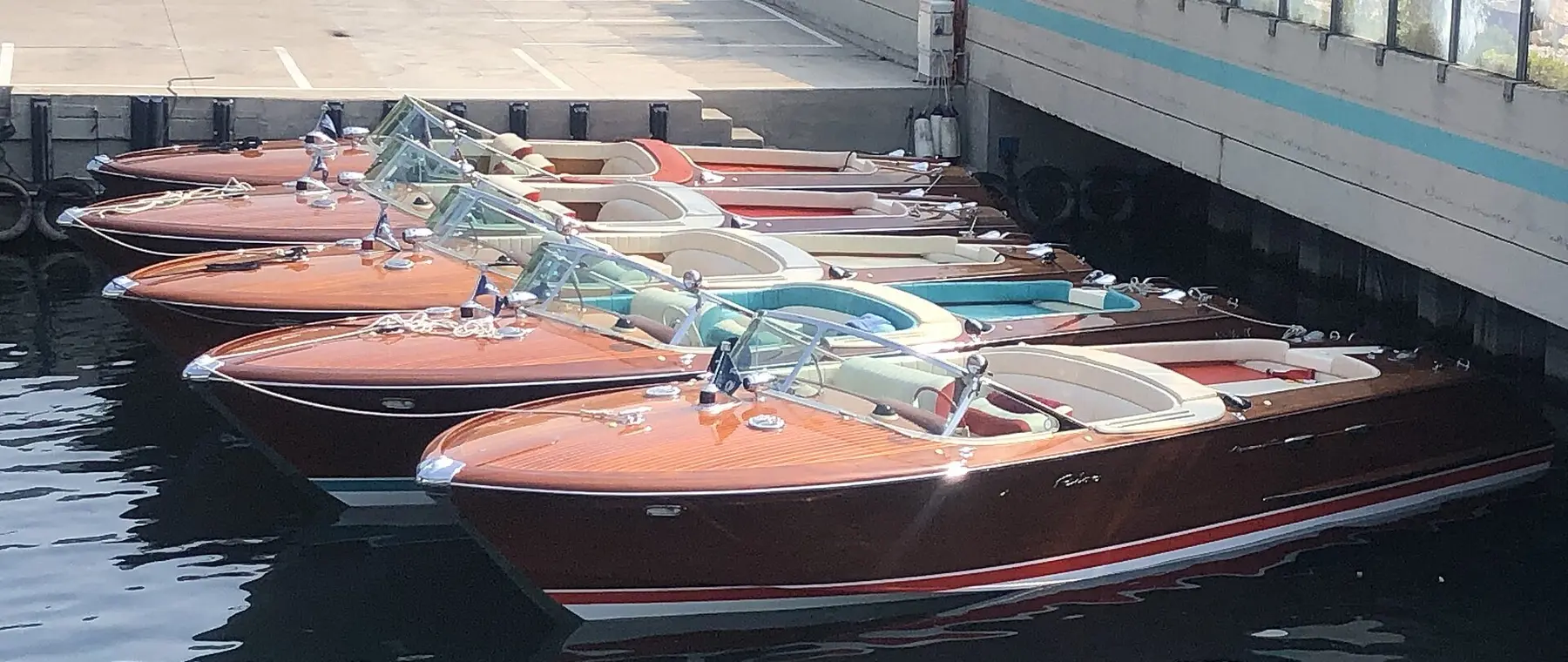
Official source: Ferretti Group / Riva, 25 November 2026, Riva 56' Rivale Super: the Riva open icon reimagined. The separately licensed lead image is archival and does not represent the newly introduced 56' Rivale Super unless expressly documented.
Sources and image credits
Reporting based on Ferretti Group and Riva official 25 November 2026 56 Rivale Super introduction.
Lead photograph: Riva Refines the 17.27m Rivale Super with Two MAN Engine Options — licensed historical context (2026). Licensed archival photograph of a historic Riva Aquarama, illustrating Riva design heritage, not the newly announced 56 Rivale Super. Photographer: StuivertjeWisselen. Licence: CC BY-SA 4.0; via Wikimedia Commons. Licensed contextual photograph.
Creative Commons photograph attribution · Image licence terms.