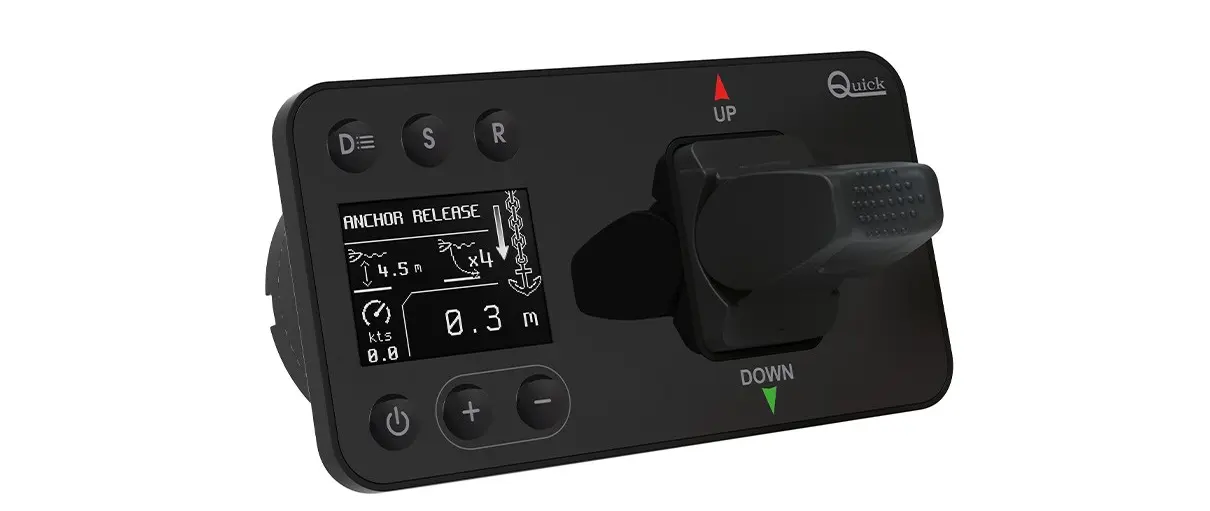
Quick Group, a leading manufacturer of marine equipment, has announced the unveiling of its Intelligent Anchoring System (IAS) in a 13 November preview for METSTRADE 2026 on 17 November. The system is designed to enhance operational awareness, safety, and control during anchoring procedures by integrating with Quick Group’s QCentric ecosystem architecture. This innovation is described by the manufacturer as an extension of its existing integrated-control approach, offering greater situational awareness through real-time data monitoring and advanced diagnostics.
The IAS is positioned as an enhancement over conventional windlass systems, which typically rely on simple on-off relays. By leveraging proportional control and integration with QCentric, Quick Group aims to provide a more intuitive and responsive anchoring experience. The system’s design includes features such as chain length monitoring, vessel position tracking, and real-time feedback, all of which contribute to safer and more precise anchor deployment and retrieval.
Enhanced Safety Through Real-Time Monitoring
The Intelligent Anchoring System (IAS) introduces a new level of safety by incorporating real-time monitoring capabilities that track critical parameters during anchoring operations. This includes chain length, vessel position, speed, heading, and water depth. By continuously assessing these variables, the system can automatically adjust payout speed through smooth acceleration and deceleration profiles, reducing the risk of over-payout or under-payout scenarios.
Operators benefit from intuitive guidance that improves situational awareness throughout the anchoring process. The IAS also features advanced safety logic that detects anomalies, unavailable sensors, or incorrect operating conditions, allowing for timely operator intervention. This proactive approach to monitoring ensures that potential issues are identified and addressed before they escalate into more serious problems.
Integration with QCentric Ecosystem for Seamless Connectivity
A key feature of the Intelligent Anchoring System is its integration with Quick Group’s QCentric ecosystem, which serves as a common technological framework connecting various products and functions. This integration allows for seamless connectivity between windlasses, thrusters, steering gear, and other onboard systems, enhancing overall operational efficiency.
The CAN bus architecture simplifies installation by reducing cabling to a single cable per station, while enabling plug-and-play connectivity and straightforward integration of handheld control devices. All system information can be accessed and displayed on standard multifunction displays (MFDs) at the helm, providing operators with a centralized view of anchoring operations.
Proportional Control for Precise Anchoring Operations
The IAS employs proportional speed control to ensure precise and consistent anchor deployment. This feature allows for more accurate management of chain payout, helping operators achieve optimal scope ratios based on depth and user-defined parameters. The system’s ability to calculate required scope ratios enhances the reliability of anchoring operations, particularly in varying water conditions.
By combining advanced control algorithms with real-time vessel and anchoring data, the IAS supports the crew throughout the entire anchoring process. This integration not only improves safety but also enhances the overall user experience by providing a more intuitive and responsive system for managing anchoring tasks.
Scalable Architecture for Flexibility in Installation
The Intelligent Anchoring System is designed with a scalable architecture that can be applied to both standalone windlass installations and dual-windlass configurations. This flexibility allows for customization based on the specific needs of different yacht sizes and operational requirements.
Quick Group’s native support within the Quick ecosystem ensures compatibility with existing products, while its ease of integration with third-party solutions through the NMEA 2000 marine network standard opens the door to a fully integrated onboard system. This scalability makes the IAS adaptable for use across a wide range of vessels, from smaller boats up to large yachts.
Specification Checks for a 12–23.99m Yacht
While the Intelligent Anchoring System (IAS) offers significant advantages in terms of safety and control, there are operational tradeoffs that yacht owners and operators should consider. The integration with QCentric requires careful configuration to ensure compatibility with existing systems, which may involve additional setup time and technical expertise. For instance, older windlasses or control systems not designed for CAN bus communication may require retrofitting or replacement, which can increase initial costs and installation complexity.
Specification checks are essential to verify that the IAS meets the specific requirements of each vessel. Factors such as chain length monitoring capabilities, real-time data feedback, and proportional control settings must be evaluated to determine if they align with the intended use cases. These considerations help ensure that the system is configured optimally for the particular yacht’s operational profile. Quick Group’s documentation highlights the system’s flexibility, but owners must assess whether their existing infrastructure supports the necessary connectivity and data exchange protocols.
Maintaining Sensor Availability and Manual Control
Reliability is a critical factor in the adoption of any new marine technology, and the Intelligent Anchoring System is no exception. While Quick Group has not provided specific safety test results or availability details, the integration with QCentric suggests a focus on long-term system stability and performance. Quick Group’s existing products, such as the QSY thrusters and Pacific controls, have been subject to rigorous testing and are known for their durability in marine environments.
Maintenance considerations should also be factored into the decision-making process. The IAS’s design includes features that reduce mechanical stress and wear on onboard equipment, which can contribute to longer service life and lower maintenance costs over time. However, operators should remain vigilant in monitoring system performance and addressing any potential issues promptly. Quick Group’s extended warranty program, which now offers a four-year coverage period, may provide some reassurance regarding long-term reliability and support.
What the QCentric Approach Means for Suppliers
From a business perspective, the Intelligent Anchoring System represents a strategic move by Quick Group to position itself as a leader in integrated yacht technology. By enhancing operational efficiency and safety, the IAS can contribute to improved customer satisfaction and reduced downtime for yacht operators. Quick Group’s existing market presence, with approximately 30,000 windlasses delivered to OEMs annually, underscores its strong position in the industry.
The system’s ability to integrate with existing products within the Quick ecosystem also offers long-term value by minimizing the need for additional hardware or software upgrades. This integration potential supports a more cohesive and efficient onboard environment, which is increasingly important in the competitive yacht market. Quick Group’s emphasis on user experience through intuitive digital controls and plug-and-play connectivity aligns with the growing demand for smart, connected solutions in modern yachting.
Questions for Helm Operators at Anchor
For yacht owners, the Intelligent Anchoring System presents an opportunity to enhance both safety and operational efficiency. The system’s real-time feedback and intuitive guidance can significantly reduce the cognitive load on operators during anchoring procedures, leading to a more seamless user experience. Quick Group’s focus on user-centric design, as seen in the Pacific control range, suggests a commitment to making the IAS accessible and easy to use.
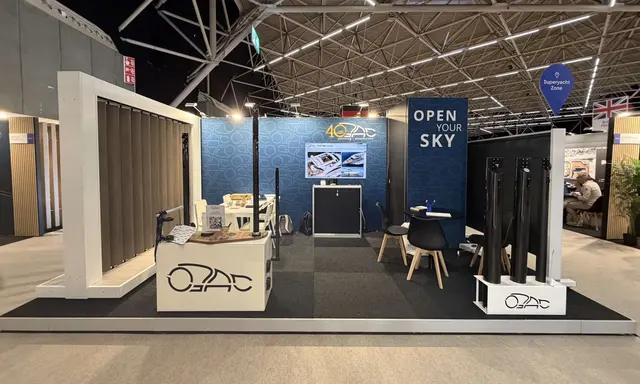
However, practical owner analysis should also consider the learning curve associated with integrating the IAS into existing systems. Operators may need additional training to fully leverage the system’s capabilities, particularly in terms of interpreting real-time data and managing proportional control settings effectively. Quick Group’s presence at Metstrade and its extensive product display offer a valuable opportunity for owners to engage with the technology firsthand and assess its suitability for their vessels.
Future Implications for Yacht Technology
The introduction of the Intelligent Anchoring System marks a significant milestone in the evolution of yacht technology. By leveraging QCentric and advanced control algorithms, Quick Group is setting a new standard for integrated onboard systems that prioritize safety, efficiency, and user experience.
Looking ahead, the success of the IAS could influence future developments in marine equipment, encouraging other manufacturers to adopt similar approaches to enhance operational awareness and control. This trend may lead to more widespread integration of smart technologies across various aspects of yacht operations, further transforming the industry landscape.
Safety Logic Must Support the Skipper The manufacturer's preview says the system checks windlass, chain counter and retaining devices before deployment. It monitors chain length, position, speed, heading and depth during payout, and uses proportional speed control rather than relying only on full-speed operation. It also describes safety logic intended to highlight sensor anomalies or conditions inconsistent with the manoeuvre. These features are significant engineering proposals, but they do not remove the need for a person to check the anchorage, vessel movement and equipment condition. Quick has not provided an independent comparative sea-trial report in this announcement. Owners should ask for the formal operating manual and understand what the system does if a sensor becomes unavailable, a chain counter loses calibration or the helm display fails. A clear manual-control route is as important as advanced guidance, especially on a vessel with limited crew available at the bow and bridge.
Practical Installation and Approval Questions For an existing yacht, the key first step is to map the installed windlass, chain counter, helm displays, navigation data source and electrical supply. Quick describes a CAN-bus architecture and QCentric integration, but that does not establish plug-and-play compatibility with every older windlass or third-party system. The yard should confirm exact equipment part numbers and required interfaces before recommending a retrofit. Crew need a demonstration of how to start and stop deployment, detect an incorrect reading, and recover control following a communication or power failure. Checks of chain length, brake adjustment and load-bearing components remain normal seamanship regardless of the electronics. Any availability dates, warranty coverage, installation prices and third-party certification must be obtained from Quick or its authorised installers rather than inferred from a pre-show product announcement.
Future Implications for Yacht Technology
The introduction of the Intelligent Anchoring System marks a significant milestone in the evolution of yacht technology. By leveraging QCentric and advanced control algorithms, Quick Group is setting a new standard for integrated onboard systems that prioritize safety, efficiency, and user experience.
Looking ahead, the success of the IAS could influence future developments in marine equipment, encouraging other manufacturers to adopt similar approaches to enhance operational awareness and control. This trend may lead to more widespread integration of smart technologies across various aspects of yacht operations, further transforming the industry landscape.
What Remains to Be Proved
The METSTRADE announcement establishes Quick Group’s intended control architecture and the functions the company says its Intelligent Anchoring System can provide. It does not independently demonstrate reductions in anchoring incidents, a universal installation time or comparable performance across differing hull and windlass arrangements. Those conclusions would require sea trials, compatibility schedules, service guidance and feedback from suitably equipped boats. For the owner of a 12–23.99 metre yacht, the strongest next step is a practical demonstration with the equipment package proposed for that particular vessel. The technology warrants attention as a more integrated way of presenting anchoring information, while traditional seamanship, sound hardware and clear emergency controls remain central to a safe operation.
Sources and image credits
Reporting based on Primary industry or manufacturer news source.
Lead photograph: Photograph: Quick Group, official newsroom image with Intelligent Anchoring System announcement.. Photograph: Quick Group, official newsroom image with Intelligent Anchoring System announcement. Original official image source.