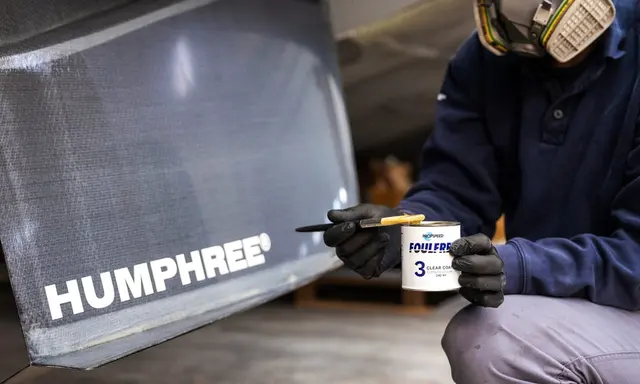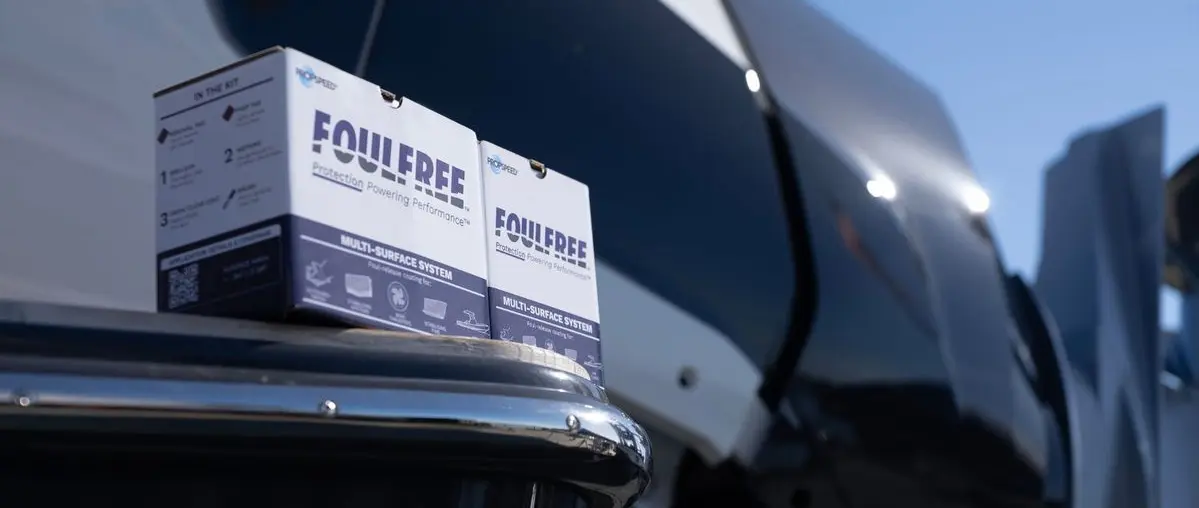
Propspeed has expanded its Foulfree range with a Multi-Surface System designed to protect a much wider selection of underwater components without relying on biocides. The clear foul-release coating is aimed at parts such as stabiliser fins, interceptors, thrusters, outboard lower units and RIB tubes where conventional antifouling may be unsuitable.
The system is built around a cleaning, priming and clear-coat process that can be used across a broad range of materials and factory finishes. Propspeed says its testing covered more than 20 substrate classes, including composites, plastics, painted outboard components and Hypalon-type tube materials.
One system for many underwater substrates
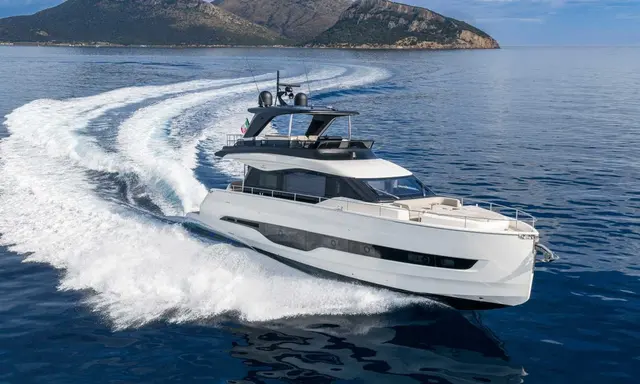
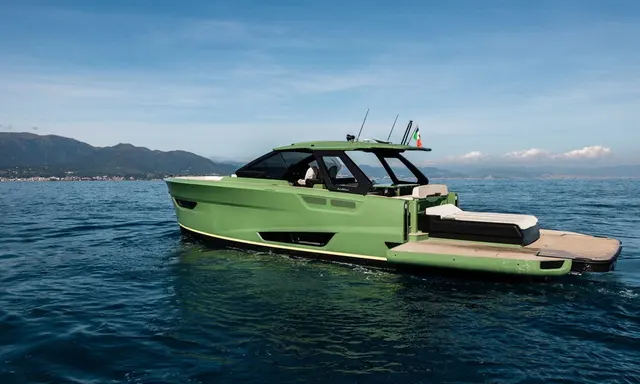
For owners, that matters because modern yachts increasingly mix metals, carbon composites, moulded plastics and coated parts below the waterline. A coating that can cover several of those surfaces can reduce the number of separate products needed during a haul-out.
Fast application targets shorter yard periods
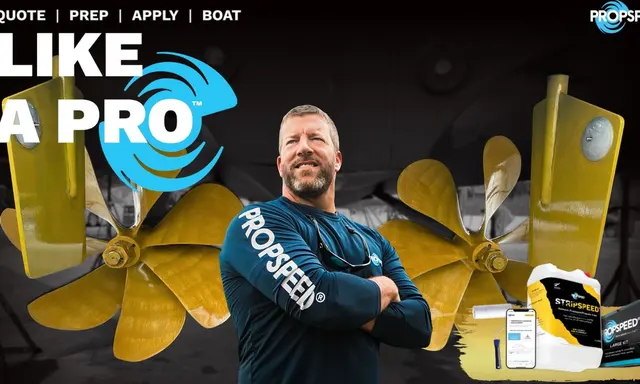
Propspeed specifies a four-step application process with a 10-minute overcoat window at 20°C and a 12-hour cure before returning the boat to the water. The company offers small and medium kits as well as its established transducer kit.
Shorter coating windows can be valuable when a yacht is already in the yard for other work, particularly where stabilisers, thrusters or outboard gear would otherwise add another specialist task to the schedule.
Biocide-free protection focuses on foul release
Unlike traditional antifouling, Foulfree works by creating a surface intended to make it difficult for marine growth to adhere strongly. Propspeed positions the system as a non-invasive way to protect performance while leaving the original appearance of the component visible.
The practical benefit depends on operating profile, water temperature and how frequently the yacht is used, but keeping fins, thrusters and steering-related components cleaner can help maintain the hydrodynamic efficiency they were designed to deliver.
Owners should still match coating to component use
The Multi-Surface System broadens the number of parts that can be protected with one family of products, but compatibility and preparation remain important. Owners should follow the manufacturer’s substrate guidance and account for any component-maker warranty requirements before coating new equipment.
For luxury yachts, the launch is most relevant as part of a wider move toward lower-biocide maintenance products that aim to protect underwater efficiency without simply extending conventional antifouling to every submerged surface.