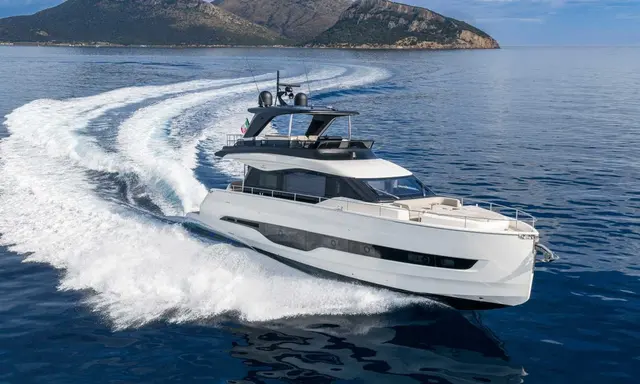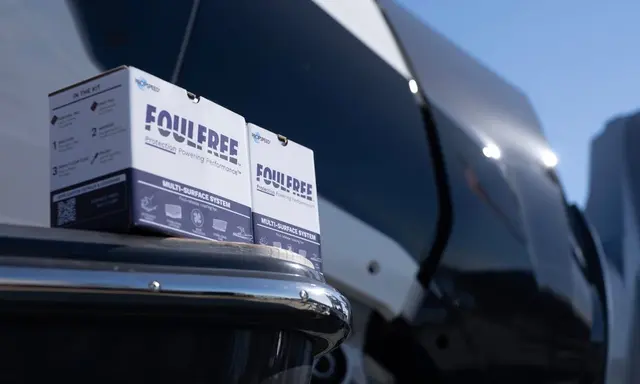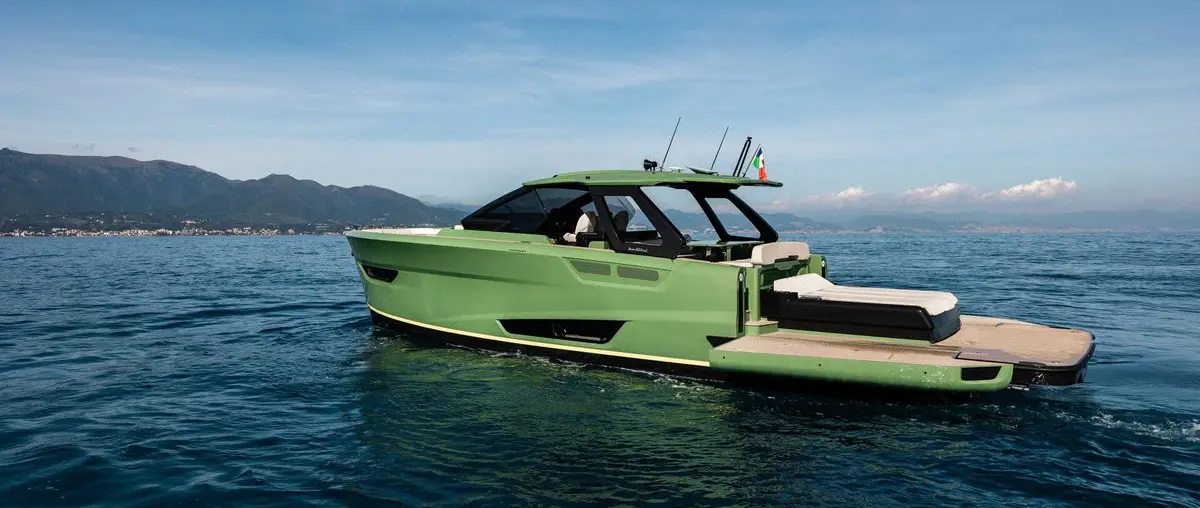
Bellini Yacht has selected Propspeed foul-release coating for its Astor model family, making the system a factory standard across the Astor 58 range in 2026. The agreement also covers the new Astor 68, while Astor 36 buyers will be able to specify the coating as an option.
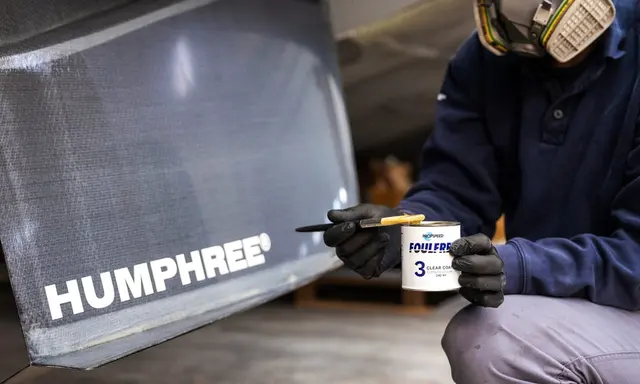
The agreement shifts underwater coating from an after-delivery maintenance choice into the yacht’s original build specification. Propspeed will be applied to propellers and running gear before owners begin using the boat rather than being added only at a later haul-out.
Factory installation moves protection upstream
That approach can give the builder more control over preparation and application conditions while giving the owner a known baseline for future maintenance.
The partnership spans several yacht sizes
Bellini’s Astor family now stretches from the Astor 36 through the Astor 58 to the larger Astor 68. Propspeed says the 58 will receive the system as standard through 2026, with the 68 also included as the range expands.
For Luxury Yacht Guide readers, the agreement is particularly relevant because all three models sit within the sub-24-metre sector where owners often operate from smaller marinas and place a premium on efficiency and manageable running costs.
Foul-release systems differ from conventional antifouling
Propspeed’s system is designed for underwater metals and running gear, using a slick surface rather than a biocide to discourage marine growth from adhering strongly. The objective is to keep propellers and associated hardware cleaner so they can operate closer to their designed condition.
The actual effect on fuel use or speed varies with hull, operating profile and local fouling pressure, so owners should treat performance claims as vessel-specific rather than assume a fixed percentage improvement.
OEM adoption is becoming an industry signal
Bellini joins a growing group of builders and equipment manufacturers integrating foul-release coatings into new-build specifications. That matters because factory adoption normally requires the coating process to fit production schedules, warranty requirements and the builder’s expectations for finish quality.
For owners, the most useful consequence is consistency: the system is documented from delivery, making it easier to plan future inspection, recoating and compatible yard procedures over the yacht’s ownership cycle.