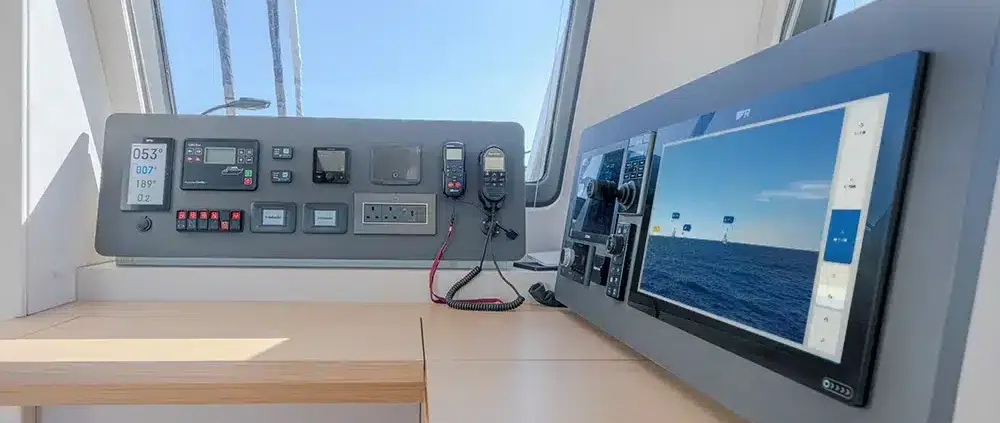
Optical and thermal cameras extend the electronic watch
SEA.AI combines optical and thermal cameras with onboard artificial intelligence to identify objects around the yacht that may not appear clearly on radar or AIS. Privilège is fitting the Watchkeeper 320 as standard while offering the higher-specification Watchkeeper 1024 as an option.
The system is intended to detect floating debris, small craft, people in the water and other visual hazards. Because processing happens on board, it does not depend on a permanent internet connection, which is particularly relevant to yachts making long offshore passages.
Owner feedback moved the system from option to standard
Privilège says many long-range owners had already selected SEA.AI when it was offered as optional equipment. Feedback from those yachts, often sailed with small crews, persuaded the yard that the technology had practical value beyond a specialist electronics upgrade.
That path from owner option to standard specification is significant because it shows how cruising experience can shape future builds. Equipment that repeatedly proves useful in real ownership can become part of the base design rather than something each new buyer has to rediscover.
The technology complements rather than replaces radar and AIS
Privilège presents SEA.AI as another layer of situational awareness rather than a substitute for established navigation tools. Visual detection can be useful at night, in reduced visibility, in crowded anchorages and when objects are too small or poorly equipped to create a reliable electronic target.
For owner-operated yachts, reducing blind spots can also lower workload during long watches. The value is not automation for its own sake, but earlier warning that gives a skipper more time to assess a developing situation and decide how to respond.
The entire current Privilège range remains within LYG
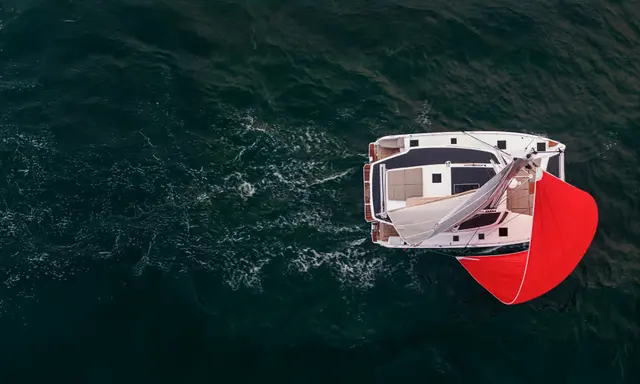
Privilège's current collection centres on the Signature 510, 600 and 650, all below the 24-metre boundary used for LYG coverage. Standardising SEA.AI therefore affects a family of substantial luxury cruising catamarans without crossing into the superyacht segment.
The move also shows how electronics expectations are changing in this size band. Owners increasingly expect safety systems normally associated with larger professionally crewed yachts while still wanting a boat that can be handled confidently by a couple, family or small crew.
Official sources: privilege-marine.com.