A different expression of the C48 idea
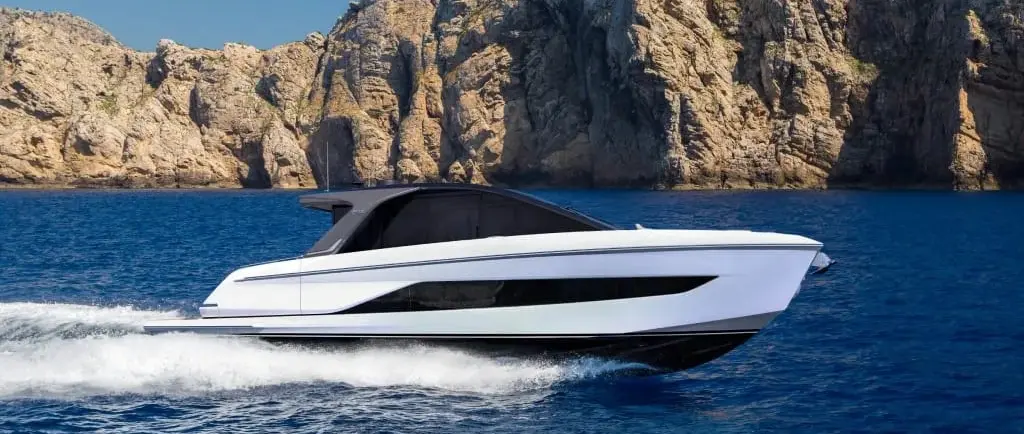
The Princess C48 Deck Saloon brings a more enclosed, weather-conscious interpretation to the British builder's new C-Class powerboat platform. The model has particular interest for owners who admire the energetic handling and versatile outdoor layout associated with contemporary sports yachts but also want a dedicated saloon in which to travel when conditions become less comfortable. Princess has publicised both C48 Open and C48 Deck Saloon interpretations, and the distinction is important when reading specifications or considering a purchase. The C48 Open has already attracted attention at international shows; the Deck Saloon should not be presented as an entirely unrelated new hull or as proof of an unannounced delivery. The latest manufacturer information describes a family of approximately fifteen-metre craft with varied propulsion arrangements. For Luxury Yacht Guide readers, the relevant story is the availability of a design choice that can reshape how frequently a boat is used. A comfortable interior helm and guest area may make a difference to owners who cruise in changing weather rather than only on sunny afternoons.
The right specifications depend on the chosen variant
The C48 family includes different propulsion and deck configurations, so buyers should be careful with any headline length, speed or engine figure. Manufacturer material for the Deck Saloon identifies overall lengths of approximately 14.85 metres with certain inboard installations and 15.38 metres with a selected outboard arrangement. A beam of about 4.16 metres places the vessel firmly in the luxury sports-cruiser category while leaving marina access an important consideration. Published performance figures across the range vary substantially with the engine package, with higher top-speed claims reserved for powerful outboard configurations. Such figures are design and test-condition claims, not guarantees for every delivered hull. Before comparing an advertised C48 with another boat, request the exact technical sheet, installed options and certified dimensions. A difference in propulsion may affect bathing-platform access, engine service, weight distribution and the amount of storage available below deck. The distinction between brochure options and an actual build is essential to avoiding expensive misunderstandings.
Why a deck saloon can extend the cruising season
An open sports yacht can be a particularly appealing place to spend a summer afternoon, but the experience changes with a cold wind, persistent rain or spray on the return passage. A sheltered saloon provides a social area that remains usable when guests prefer to stay inside. For owners operating around the British Isles, Northern Europe or in the Mediterranean outside peak summer, that flexibility can make it easier to enjoy the boat on more days. The actual effectiveness of the design depends on the glass, roof, ventilation, doors and climate-control installation. A fully enclosed space can still become uncomfortable if glare, condensation or heat are not managed properly. Prospective buyers should sit in the saloon with the doors closed and evaluate the view from every seating position, not just the helm. They should also ask how long it takes to open and secure the space as conditions change. A well-executed deck saloon should feel like an intentional part of the yacht, not an afterthought.
The importance of light and connection with the sea
Modern sports-cruiser design frequently uses extensive glazing to connect the interior with the exterior deck. The appeal is obvious: guests can enjoy the surrounding landscape without sitting directly in wind or spray. But windows have practical consequences. Large areas of glass can increase solar heat gain, especially at anchor in sunny climates. They also require regular cleaning and effective demisting when outside temperatures fall. The quality of shading and ventilation becomes part of the overall experience. Owners should assess sight lines from the seated helm in different lighting conditions and check whether structural supports create blind spots near other vessels. Moving doors need to seal securely, while their tracks and mechanisms must remain easy to clean. The balance between openness and weather protection is an important reason to compare the Deck Saloon with the C48 Open in person. Photographs can illustrate the appearance of the space, but they cannot establish whether it will remain pleasant throughout a long passage.
The owner-operator perspective
At around fifteen metres, a sports yacht can be operated by an experienced private skipper, depending on registration, equipment, local rules and the owner's competence. Yet handling a vessel of this size requires practice and a clear understanding of close-quarter behaviour. A sheltered helm can be useful in poor weather, but it must still provide rapid communication with crew members assisting in the cockpit or on the side decks. Buyers should examine access from the wheelhouse to deck working positions, visibility toward the stern and the ease of using thrusters or other controls where fitted. A sea trial should include ordinary docking manoeuvres, not only the high-speed passages often emphasised in promotional videos. The precise propulsion choice changes how the yacht responds to wind and current. Owners converting from smaller boats will benefit from hands-on training in the actual installed configuration. No advanced control system removes the need to understand basic seamanship and have a sensible mooring plan.
Two cabins can serve different ownership patterns
Manufacturer specifications for the C48 Deck Saloon describe two dedicated cabins and four berths in the principal arrangement, although owners should verify any options on the individual yacht. That size of accommodation can support short family cruises or weekends with another couple, but the practical experience depends on more than the advertised sleeping capacity. Assess the usable length and width of berths, access to lockers, natural ventilation, privacy and the convenience of moving between cabins and washrooms during the night. A cabin that looks luxurious during a show may feel cramped when travellers bring several days of clothing, provisions and equipment aboard. Temperature control and the sound of operating machinery can also affect sleep. The ideal layout for a family with children may differ from that of an owner who most often hosts adult guests for a few nights. Buyers should examine the configuration against realistic routines rather than treat every four-berth sports cruiser as equivalent.
Engine options create different trade-offs
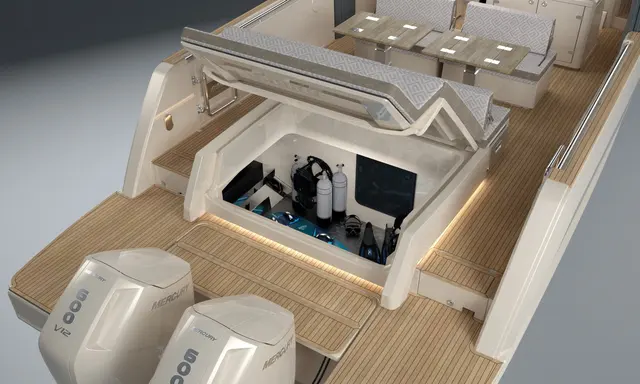
The C48 range has been described with both high-powered Mercury outboard installations and inboard options involving Volvo Penta diesel machinery. The appeal of an outboard configuration can include direct access to propulsion units and a particular handling character, while inboard arrangements may offer different machinery layouts and cruising priorities. Neither type is universally superior. A buyer should ask what servicing costs are likely at the home marina, how easy it is to inspect critical components and whether trained technicians are available in the intended operating area. Multiple outboards can increase the number of individual engine service tasks, while an inboard installation has its own systems and accessibility requirements. Fuel use must be evaluated at realistic cruising speeds with known loads, not only from maximum performance claims. The position of propulsion equipment also affects available space for swimming, tender operations and equipment stowage. These are important differences to understand before deciding between two visually similar C48 configurations.
What does the bathing platform need to achieve?
On a premium day and weekend cruiser, access to the water is often central to the experience. Passengers may move repeatedly between cockpit seating, the swimming platform and tenders or watersports equipment. A platform should offer stable footing and secure access, with clear separation from moving propulsion units or machinery hazards. The practical arrangement may differ substantially between outboard and inboard versions of the same yacht. Buyers should inspect where the engines, steps and ladders are placed and ask which equipment may be used with the engines running or shut down. Safety procedures for children and guests deserve particular attention. A tender or paddleboard may be straightforward to handle at anchor yet awkward to secure before departure. The sheltered Deck Saloon's appeal should not distract from these outdoor tasks, because owners who choose a sports yacht typically expect to enjoy the water itself. The best layout combines guest convenience with unambiguous working and safety areas.
A sea trial needs to test the everyday speed
The manufacturer's highest advertised top speed is rarely the speed at which a family will spend most of a voyage. A useful sea trial should include several steady cruising settings, representative passenger and fuel loads, and conditions similar to the intended cruising area. Record engine noise and vibration in both the sheltered saloon and outside cockpit. Assess how readily occupants can talk while under way and whether the vessel holds a comfortable attitude as the sea changes. Navigation displays and controls should remain easy to read and operate without distracting the skipper. Buyers should also observe how spray and wind behave around the structure, particularly when travelling into a breeze. A vessel that feels exciting during a short demonstration might deliver a different experience on a longer passage. The more meaningful measure is whether passengers arrive rested and whether the selected operating speed balances comfort, range and maintenance demands.
Costs beyond the initial purchase
The C48 Deck Saloon's purchase price is only the beginning of the financial commitment. Owners need estimates for suitable berthing, insurance, servicing, fuel, winter storage, lifting and domestic-system maintenance. The precise engine configuration can influence service and fuel costs, while the boat's measured length may affect marina tariffs. A sheltered saloon introduces its own maintenance requirements for seals, glazing, ventilation and climate-control systems. These are normal considerations for modern luxury yachts, not signs of a defective design. An itemised annual budget should be based on the region in which the vessel will operate and the expected number of sea days and engine hours. Insurance providers may ask about skipper qualifications, operating area and whether the yacht will be privately used or offered commercially. Anyone considering charter use needs to verify licensing, passenger limits and insurance separately. A general cost percentage applied to the model's market value cannot replace local quotations.
After-sales support and the value of documentation
A Princess yacht may benefit from a recognised global dealer presence, but the actual ownership experience is shaped by the support available at a particular base. Buyers should identify who will provide warranty assistance, which service partners can maintain the installed engines and electronics, and how quickly common components can be obtained. The equipment list should distinguish standard items from optional features, as promotional images often show highly specified examples. A complete handover ought to include clear manuals, electrical diagrams, scheduled service information and practical training. Any opening roof, sliding glass or other moving arrangement should be demonstrated under normal operating conditions. The owner should also learn how to respond if a mechanism cannot be closed before a passage. The Deck Saloon's flexibility is valuable only if its systems remain dependable and can be repaired without extraordinary delay. A documented support arrangement can therefore contribute as much to owner confidence as the visual appeal of the model.
Why the Deck Saloon deserves a separate comparison
The C48 family illustrates how yacht manufacturers are trying to offer different experiences on a common overall platform. Some owners want the direct connection and breeze of an open boat, while others prioritise sheltered passage-making and more time aboard during shoulder seasons. Neither preference is intrinsically better. The Deck Saloon's practical proposition is to combine the social character of a high-performance cruiser with a protected main-deck living area. Its ultimate suitability depends on the exact engine package, local weather, accommodation needs and the level of involvement the owner wants in operation. Buyers considering the model should compare it carefully with the C48 Open rather than assume a difference in naming is purely cosmetic. A survey, representative trial and documented specification remain necessary before a major purchase. What matters is not which variant looks most dramatic at a show, but which one the owner will enjoy using repeatedly and safely.
Sources and photographic provenance
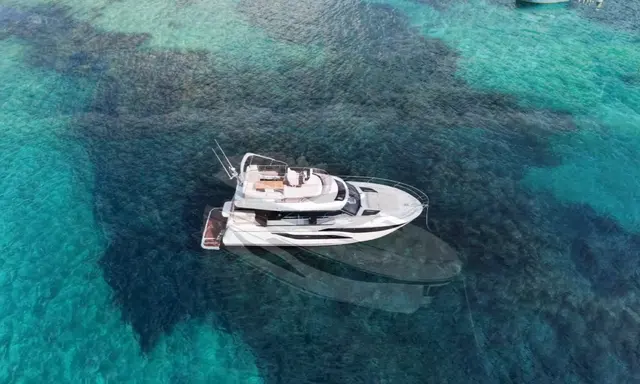
The Deck Saloon's published specifications, range and layout are drawn from Princess Yachts' official C48 model material, with additional family-launch context from Princess Yachts Monaco's authorised dealer announcement. The lead photo was distributed on the authorised Princess dealer's C48 announcement as a manufacturer-related press image. It is used solely for independent reporting of the C48 range, with credit **Princess Yachts / Princess Yachts Monaco**. The image illustrates the wider C48 family; it must not be treated as technical evidence of every Deck Saloon design detail or as an authenticated photograph of a specific delivered hull. Copyright and all promotional-use rights remain with the original rights holder.