A new wrist instrument for guest diving
Garmin has announced the Descent X10, a new dedicated dive computer intended to make essential underwater information easy to read and to simplify the handling of rental equipment. The company unveiled the model on 3 November 2026, specifying a 2.1-inch backlit high-contrast display, several dive modes and a new rental setting aimed at dive schools and operators. The suggested US retail price at launch is $349.99. For luxury-yacht guests, its significance lies not in replacing professional dive planning but in the possibility of clearer individual information and easier preparation for supervised trips. On a yacht carrying guests who dive occasionally, equipment that can be configured consistently and explained without confusion may prove useful. The available claims come from Garmin’s own announcement; independent endurance, usability and reliability testing is not established by the press release.
Readable information is a safety design question
A dive computer is judged as much by the clarity of its display as by the number of measurements it can collect. Garmin says the X10’s always-on, backlit 2.1-inch screen uses large text intended to remain legible from strong daylight at the surface to subdued light underwater. The device can show depth, time, oxygen information and other dive data. Actual legibility will depend on conditions, the individual diver and the chosen screen layout, so this should not be treated as a tested comparative result. Nevertheless, the design emphasis is understandable: a guest using unfamiliar equipment should be able to identify important values promptly. Captains and dive leaders should still insist on a proper equipment briefing, a buddy system and a plan appropriate to qualifications and prevailing conditions.
The modes Garmin describes
The company lists scuba, apnea and gauge modes, which address different kinds of underwater activity. Those categories should not be confused with permissions to undertake every diving activity or with a substitute for specialist training. Scuba diving with breathing equipment, breath-hold diving and using a computer solely as a depth or timing instrument involve different procedures and hazards. A yacht programme that combines swimming, snorkelling and supervised scuba sessions needs clear boundaries between them. Before a guest enters the water, an instructor or responsible dive professional should confirm that the device is configured for the intended activity and that the diver knows which information it displays. Attractive menu options cannot supply the experience or judgement required for more demanding dives.
A rental mode designed for shared devices
Garmin gives particular prominence to the X10’s rental setting. It says dive schools, shops and charter operators can configure the instrument to match a diver’s skill level and reset it efficiently between users. For an owner who charters a yacht with optional diving activities, that could help streamline the procedures around shared equipment, especially when guest groups change from week to week. But speed of resetting should not be mistaken for an assurance that every setting is correct. Operators will still need documented checks for previous dive history, display settings, battery state, physical condition and diver familiarity. If a guest has made repetitive dives, the relevant dive-planning considerations extend beyond the convenience of handing over a freshly configured device. Shared equipment needs consistent supervision.
Battery claims need an operating margin
The Garmin announcement quotes up to 50 hours of diving use and up to six months of standby time from the rechargeable battery. Both figures are manufacturer claims and will be affected by use, configuration and battery condition. A yacht’s dive coordinator should plan a practical charging and verification routine rather than scheduling the day around the absolute maximum figures. Check charge levels before a tender departs, keep cables protected from spray and make sure divers understand any low-battery warnings. Equipment stowed after a holiday or a long passage should be inspected before the next use. A device that performs well on paper can still complicate a dive day if it has been left uncharged or poorly maintained between guests.
NDL Aware and the limits of a display
Among the announced functions is Garmin’s NDL Aware depth metric, which the company says illustrates how changing depth can affect no-decompression limits in real time. That may help a trained diver understand a dynamic relationship, but it must not be presented as permission to extend a dive beyond safe training limits. No-decompression planning has several dependencies, and any computer is only one element of risk management. Dive professionals should explain the assumptions behind the instrument’s readings and require conservative planning that fits experience, conditions and recognised procedures. A yacht-based activity programme can be delightfully informal in its hospitality while remaining formal and disciplined about diving safety. That distinction protects both guests and crew.
The phone app after the dive
Garmin says the Descent X10 can upload dives to its Garmin Dive smartphone app, enabling users to log locations, record equipment use and review activity. The company also describes a simulator intended to let users practise with the computer before getting wet. These features may be most valuable when used as preparation and record keeping, not as a reason to introduce phones into every part of a relaxed charter day. Guests new to a device can familiarise themselves with the layout in the saloon, then concentrate on the actual experience during the trip. Operators should decide what information they need for their own records and how any guest data are handled, particularly when shared devices and personal phones are involved.
Materials and colour options
The announcement states that the entire housing and bezel are made from recycled ocean-bound plastics, and that replaceable bezel guards are offered in colours including Aqua, Amp Yellow, Purple Iris and Black. These cosmetic details might seem peripheral, but visual identification can matter in a mixed group of divers. A charter operator may find a colour-coded arrangement helpful when matching equipment to guests, although it should never replace a documented allocation and safety check. The sustainability statement is a manufacturer materials claim about specified components, not a comprehensive independent assessment of the complete product’s environmental footprint. Buyers wishing to compare sustainability should ask for evidence concerning durability, repairability, replacement parts and the full life cycle.
The relevance to yachts without dive staff
Not every yacht in the 12–23.99-metre range carries dedicated dive instructors or a large inventory of specialist gear. Some owners rely on licensed local dive operators, who provide equipment, briefings and supervision at the destination. Others take qualified guests on carefully planned trips with appropriate support. In either case, a dive computer’s value depends on integration into a safe operating system. Purchasing the device alone does not turn a yacht into a commercial dive platform. The relevant questions concern insurance, qualifications, local rules, emergency arrangements, equipment checks and the conditions in which an activity may be offered. An owner should seek professional advice where a charter service is considering adding diving to its advertised programme.
What to ask before ordering
A sensible purchase assessment starts with who will use the device. An experienced diver may have strong preferences concerning display organisation, algorithms, existing equipment and training. An occasional guest may prioritise clarity and straightforward operation. A charter company may place a greater premium on durability, inventory management and repeated setup. The Garmin press release provides a useful first specification outline, but buyers should consult the full manual and current technical documentation. Ask about compatibility with the rest of the dive kit, service and warranty arrangements in the yacht’s home port, optional accessories and whether the rental functions meet a particular operator’s procedures. If possible, handle a unit before purchasing and test the menus under the supervision of a knowledgeable dive professional.
Avoid conflating innovation with permission
The diving business uses instruments to make complex information more accessible, but technology cannot eliminate the underlying hazards of underwater activity. Boats introduce additional concerns: tender launches, propellers, nearby vessel traffic, currents, weather changes and the possibility of separation from the dive group. A skipper needs a clear plan for where and when diving is appropriate. Guests need an accurate briefing, suitable qualifications and experienced supervision. A dive computer is a critical personal instrument in many activities but not a complete safety system. Garmin’s description should be read within that context. Neither a rental mode nor a sophisticated depth metric makes every proposed dive suitable for an inexperienced participant.
A launch with practical questions still open
Descent X10 is available according to Garmin’s 3 November announcement, with the stated $349.99 recommended US price and optional bezel accessories. Availability and local prices can differ by market; buyers should verify current terms with authorised retailers. The product deserves attention because it focuses on large-display readability and shared-use administration—two problems familiar to operators who welcome divers with different levels of experience. What remains to be seen is how it performs across repeated real-world use on yachts, from wet handling and charging to staff training and service access. For now, it is a credible new option to examine, not a device whose superiority has been demonstrated by the manufacturer’s launch statement alone.
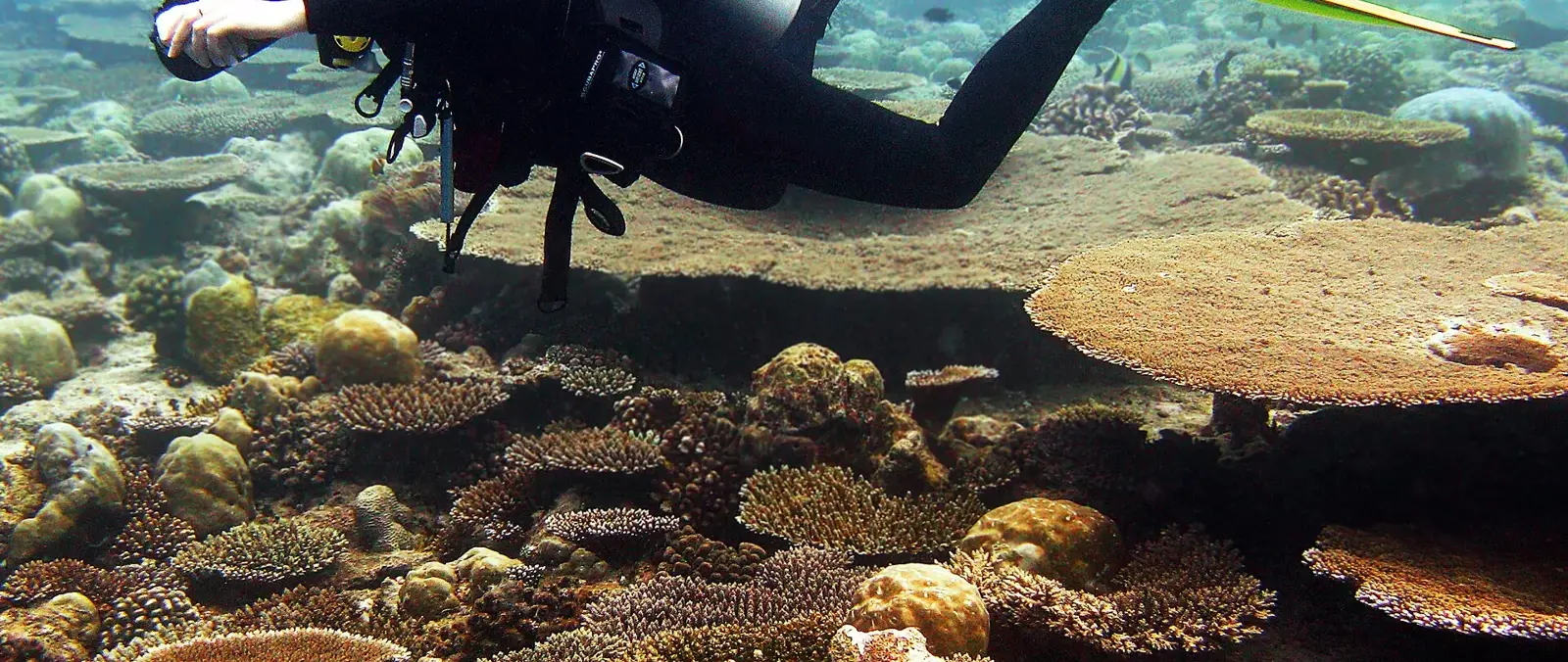
Illustrative photograph of a scuba diver in the Maldives, not the Garmin Descent X10 product, by HistoriaSalutis, via Wikimedia Commons, CC BY-SA 4.0; resized and converted to WebP.