A new water-quality system enters service in Palma
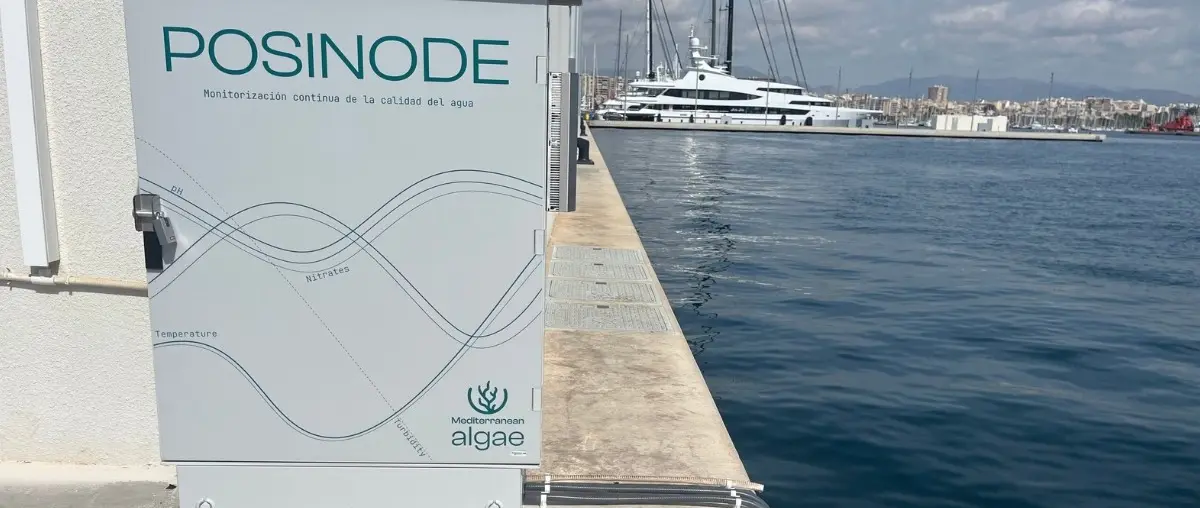
Club de Mar-Mallorca has introduced POSINODE, a continuous environmental monitoring service developed by Mediterranean Algae, at its marina in Palma. The system is already operating at Pier 70 and is described as the first use of the technology at a marina in the Balearic Islands.
The deployment follows work to modernise the 500-berth marina's infrastructure, including new pedestrian walkways intended to improve the connection between the waterfront and the city. The new installation focuses on measuring conditions in the water rather than changing the number of berths or adding a new yacht harbour.
POSINODE is supported by funding linked to the European Union's NextGenerationEU programme, Spain's recovery plan and the Kit Espacios de Datos programme. These funding arrangements form part of the technology's development context and should not be confused with an announcement of a new EU regulation for yacht owners.
Continuous information can fill gaps between samples
Conventional environmental monitoring often involves collecting samples at set intervals and testing them for evidence of pollution or changing water conditions. The POSINODE system adds continuing measurements of physical and chemical properties, allowing the marina to observe patterns rather than relying solely on occasional snapshots.
Monitoring trends may allow staff to recognise an unexpected change earlier and investigate whether a discharge, runoff event or mechanical problem is involved. The service includes alerts intended to flag possible hydrocarbon contamination, together with historical records useful for future assessment.
An automated sensor cannot identify every type of pollutant or replace laboratory testing, and alarms still need to be checked by qualified personnel. The value comes from combining timely information with a clear operational process for inspection, recording and, where necessary, corrective action.
Why an owner should care about harbour water
Luxury-yacht owners spend considerable time in marinas for guest changes, provisioning and routine servicing, making water quality a visible part of the destination experience. Poorly managed bilge discharges, fuel spills and debris can affect neighbouring vessels and the local habitat even when the incident begins at only one berth.
Captains can help by following the marina's instructions for wastewater reception and fuel handling, keeping absorbent materials available and reporting suspicious discolouration or odours promptly. A modern environmental monitoring platform complements this routine seamanship rather than shifting responsibility away from the vessel.
Continuous records may also help operators distinguish isolated incidents from longer-term patterns associated with rain, currents or periods of particularly heavy traffic. That distinction is useful when planning maintenance or evaluating whether a change in marina operations has made a measurable difference.
Linking digital tools to wider marina improvements
María Miralles, the marina's head of quality and environment, has highlighted the value of reliable continuous information when trying to anticipate incidents. The emphasis is on building a stronger evidence base for decisions, not on claiming that installation of one device has made pollution impossible.
The initiative follows Spain's Maritime Strategy 2025–2050, which identifies digitalisation and environmental protection among the important areas for maritime development. Similar technology could be considered elsewhere, but suitability depends on local water conditions, monitoring goals and the operator's ability to maintain the equipment.
The photograph accompanying this report was distributed with the real Club de Mar-Mallorca project announcement and is not an artificially generated depiction. POSINODE is reported to be operational at Pier 70; the wider performance of the service will emerge from its continuing records.