Three businesses recognised at Cranfield
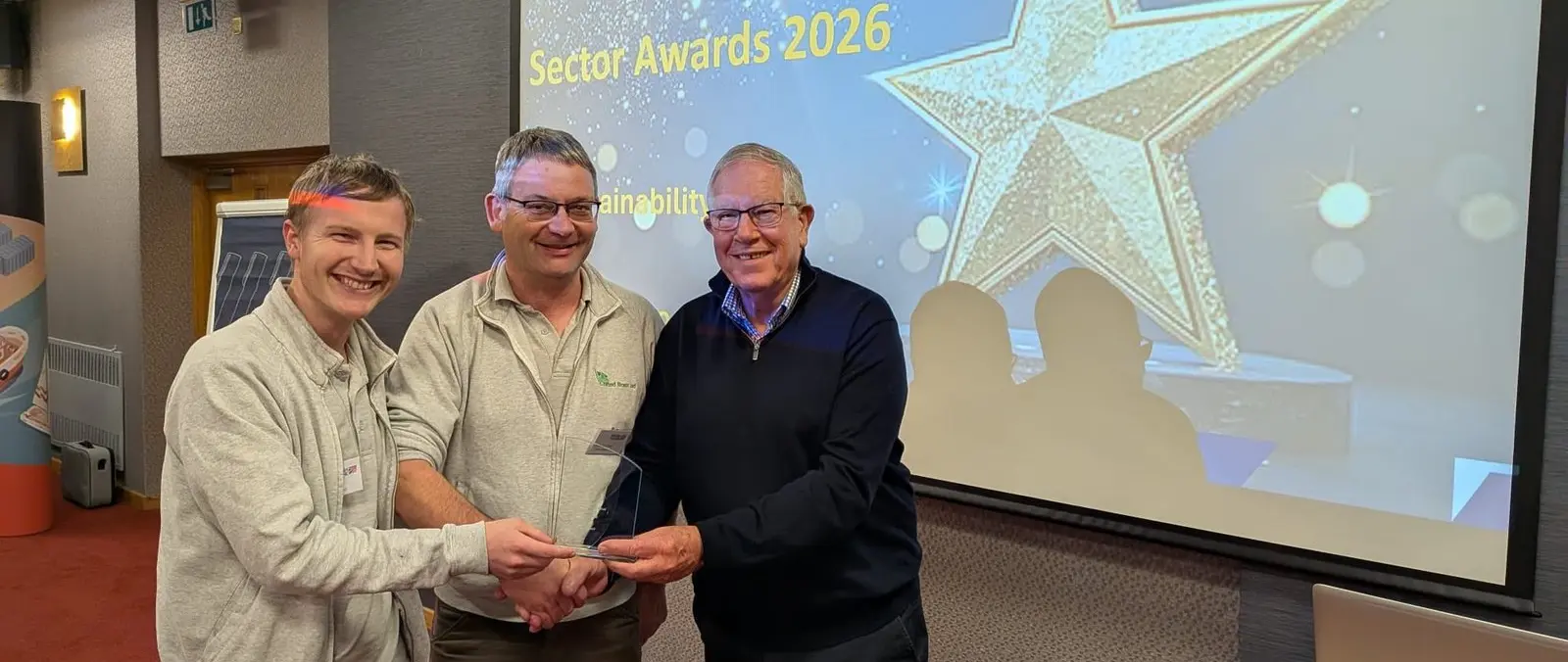
British Marine has announced the winners of its 2026 Inland Sector Awards following the association's Inland Conference at Cranfield University. The awards were presented at Mitchell Hall during the November industry gathering, which attracted more than 120 delegates from the inland waterways sector. Cafwin Cruises received Product or Service of the Year, Crafted Boats took the Sustainability Award, and ABNB was named Business of the Year. These are sector-level awards rather than the final British Marine National Awards, which the winners are expected to contest during the Southampton International Boat Show in 2027. The result offers a useful snapshot of the kinds of service, environmental responsibility and business performance being recognised across British inland boating.
Why the inland sector deserves independent attention
Inland boating operates within a different commercial and physical environment from offshore yacht cruising. Canal locks, bridge clearances, restricted depths and facilities along rivers can shape vessel design and ownership in ways that are rarely experienced on an open coast. Yet the sector shares many challenges with recreational marine businesses more broadly, including maintaining skilled staff, managing customer expectations and investing in infrastructure. British Marine's award categories reflect those common concerns. Recognition of three companies does not prove that the rest of the market is performing uniformly well, but it encourages consideration of what makes individual operators distinctive within a highly varied field.
The conference provided a professional setting
The association reports that the conference brought more than 120 delegates together for networking and industry discussion. That attendance figure describes an event, not the total employment or business size of the inland waterways sector. Meetings of this type can connect hire-fleet operators, boatbuilders, marinas and service businesses that rarely have opportunities to exchange experience outside daily operations. A participant might learn about changes in customer demand or a new approach to maintaining a small fleet. The commercial value becomes clear only if ideas are subsequently tested and adapted. The ceremony used this setting to acknowledge notable contributions without claiming that every attendee supported each judging decision.
Cafwin Cruises and the customer experience
Cafwin Cruises received Product or Service of the Year. British Marine's announcement highlights its emphasis on customer experience and a high standard of service, rather than citing a particular new engine or vessel model. That choice is significant because inland boating customers may be hiring a boat for the first time. Their impression can depend on clear instructions, responsive communication and the reliability of accommodation as much as the vessel's appearance. Visitors who are unfamiliar with navigation may need more guidance about locks, mooring and local operating customs. An award can bring attention to a company, but prospective customers should still review the specific services, pricing and current operating terms relevant to their trip.
Service innovation is not always technological
Much coverage of the marine industry focuses on propulsion, screens and machinery. In a hire operation, innovation may instead involve more effective handovers, simpler booking procedures or a consistent approach to preparing boats between customers. Such improvements can have tangible effects without requiring a dramatic product launch. The official announcement does not document which individual initiatives influenced the Cafwin Cruises judges, so it would be misleading to invent specific programmes or performance results. The broader point is that Product or Service of the Year can recognise an operational model that users value. Owners and fleet managers should ask how that value is measured rather than treating the category as a purely technical competition.
Crafted Boats takes the environmental award
Crafted Boats received the Sustainability Award, a category that British Marine describes as recognising environmental responsibility integrated into long-term business strategy. The release commends the company's commitment but does not publish a detailed assessment of its energy use, materials or emissions. Therefore the recognition should not be presented as independent certification of a particular vessel's environmental footprint. Instead, it indicates that the judges considered the company's approach notable within the sector. Responsible operators can take the award as an invitation to investigate practical methods of reducing waste and improving efficiency, while continuing to ask for documented results before making stronger claims.
Sustainability is a continuing process
An inland boat's environmental impact can arise from propulsion, heating, onboard waste, maintenance products, material sourcing and the facilities used during operation. Improving one aspect does not automatically produce the best outcome overall. For example, replacing a component before the end of its useful life may have trade-offs that differ from maintaining it responsibly. The Sustainability Award provides a reason to discuss how small businesses approach these choices. Meaningful evaluation should consider the full lifecycle of products and the operational circumstances in which they are used. An award is a sign of professional recognition, not a substitute for the data and transparent methods that support environmental claims.
ABNB receives Business of the Year
ABNB was named Business of the Year at the 2026 Inland Sector Awards. The category addresses all-round business performance, including leadership, customer service, innovation and contribution to the wider community. It differs from the Product or Service award because the assessment is broader than an individual offering. British Marine says the winner impressed the judges through its continued commitment to excellence and positive role in the inland waterways industry. The announcement does not disclose an audited profit figure, employment total or other detailed commercial indicators. The award should therefore be reported as sector recognition rather than as a financial ranking of competing boating businesses.
Business strength depends on more than sales
A marine company can attract bookings or orders while still having difficulty with servicing, staff turnover or predictable delivery. Sustainable performance requires attention to many relationships, including those with suppliers, employees, customers and local waterways authorities. In the inland sector, a business may also be affected by maintenance work on canals or changes in the availability of moorings. An all-round award recognises that success is not reducible to a single headline measure. Prospective partners should nevertheless examine a company's operating capabilities and relevant records before entering substantial contracts. Award recognition is useful context, not due diligence on an individual transaction.
The relationship between operators and marinas
Canal and river boating depends on functioning infrastructure. Locks, bank protection, water supply, disposal facilities and appropriate berths influence the reliability of trips. Businesses offering hire experiences or building vessels cannot fully control all these conditions. Cooperation with navigation authorities and local providers can help manage disruption and improve customer information. Recognition of inland businesses is therefore a reminder that service quality depends on wider systems. A company can prepare a boat carefully and still face restrictions imposed by weather or maintenance. Explaining those possibilities to customers is part of responsible operation and can preserve trust when plans need to change.
Customer safety begins before departure
A person new to inland cruising may be unfamiliar with the handling characteristics of a long narrowboat or the procedures used at locks and bridges. A proper handover needs to cover basic controls, local rules, hazards and where to obtain assistance. The details vary by craft and operating area, and should be confirmed with the responsible provider. The sector award announcement is not a safety audit of the three winners, so no claim about their specific training systems should be inferred. Nevertheless, the customer-experience category raises a relevant question for every operator: does the business prepare guests to use its services safely, as well as making the holiday or purchase appealing?
The importance of skilled workers
Inland marine firms employ people with capabilities ranging from carpentry, engineering and hull maintenance to customer support and fleet administration. Many smaller companies cannot easily replace experienced staff, and a knowledge gap can delay repair or delivery. Professional recognition may help attract attention to the careers available in the sector. Yet awards should not become a substitute for structured training and clear employment practices. Managers must plan for skills transfer, especially where a specialist has worked with a particular vessel type for many years. Customers benefit when a company can explain its maintenance approach and show that technical support remains available after the initial booking or handover.
How smaller manufacturers can use awards intelligence
Boatbuilders and equipment suppliers may study award results to understand the priorities recognised by their professional association. A sustainability winner may suggest questions about material use or waste; a customer-service winner may encourage more thoughtful handover procedures; a business winner may prompt attention to operational resilience. Copying an award-winning company's visual identity is unlikely to transfer its underlying strengths. More useful is to identify the process involved and decide whether it could address a real weakness in one's own organisation. Comparisons should allow for differences in size and activity. An inland hire operator and a custom yachtbuilder face distinct obligations even where both depend on satisfied customers.
A route to the 2027 National Awards
British Marine confirms that the three inland winners will progress to its National Awards during the Southampton International Boat Show in 2027. This two-stage arrangement gives sector achievements a path to broader recognition while preserving a specific inland category. Progression does not mean that a company has already won a national prize. Nor does it reveal how its work will compare with companies operating in other marine segments. The later ceremony may involve a larger field with different commercial models and technical requirements. Readers should look for the official 2027 results before describing any of the three as a national award winner.
The importance of precise reporting
Industry awards are often summarised using language that implies a company has been declared the best in its field under every possible measure. The Inland Sector Awards are more specific: they identify winners chosen for particular categories and assessed within a professional programme. The underlying judgement is valuable, but it is not equivalent to an independent engineering test, financial audit or customer satisfaction survey. British Marine's release provides the award names and a broad explanation of their purpose; it does not establish every detail of the judging methodology. Accurate coverage respects those limits while recognising the legitimate accomplishment of the winners.
Looking ahead for British inland boating
The winners arrive at a time when operators must balance rising costs, customer expectations and attention to the environment. Future opportunities may come from better service, responsible fleet management and closer collaboration among businesses that share the waterways. Awards can encourage these conversations by making professional achievements visible. Their long-term influence will depend on what other companies learn and put into practice. For owners and travellers, the results offer three names to investigate more closely, with no implication that one prize removes the need to assess a particular boat, booking or service contract. The most useful outcome is informed comparison rather than an unquestioning endorsement.
A sector showing varied forms of excellence
Cafwin Cruises, Crafted Boats and ABNB represent three different forms of recognition in the British Marine Inland Sector Awards for 2026. Their success points to the importance of customer experience, environmental responsibility and resilient business management alongside the technical dimensions of boating. The conference at Cranfield provided a setting for those achievements to be discussed by more than 120 delegates, while the planned progression to Southampton in 2027 gives the winners another opportunity for exposure. The story is an industry development rather than a claim about the performance of a single yacht. It reminds the wider marine sector that valuable progress often comes through careful everyday work.