A Thames venue for the commercial marine sector
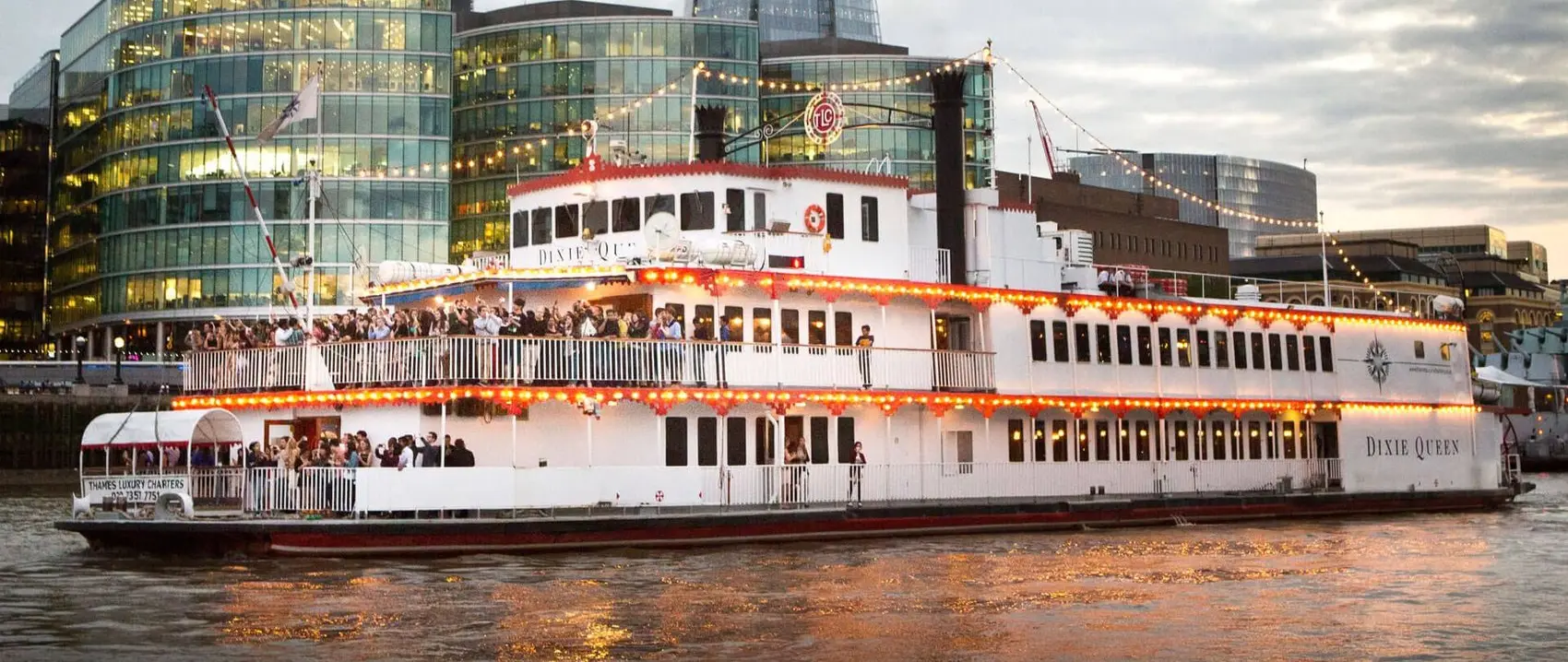
British Marine has announced that its Passenger Boat and Commercial Marine Conference will return on Wednesday 20 January 2027 with a distinctive floating venue: the Dixie Queen paddle steamer on the River Thames. The association's 19 November 2026 announcement invites operators, designers, surveyors, engineers, suppliers and other marine professionals to take part in a day of sector discussions and networking. The vessel is scheduled to depart from Butler's Wharf Pier and cruise past London's well-known waterfront landmarks, including Tower Bridge. The programme is an industry conference, not a newly commissioned passenger boat or a leisure charter product being offered as a yacht.
Why the conference matters to vessel operators
Commercial passenger vessels operate under a combination of technical requirements, local conditions and customer expectations that are different from those of purely private recreational yachts. Operators must manage maintenance, crew training, passenger experience and booking patterns while responding to changes in regulation and infrastructure. A dedicated conference brings people facing similar challenges into conversation with one another. The official invitation promises sector updates and discussion of future opportunities, though it does not establish how each individual issue will be resolved. An attendee's most practical objective may be to leave with better questions, useful contacts and a clearer understanding of the requirements affecting a particular operation.
Boarding the Dixie Queen at Butler's Wharf
The event's planned embarkation point is Butler's Wharf Pier in London. Using a working passenger vessel as the meeting place creates a direct connection between the subjects discussed and the environment in which operators work. Participants can encounter issues such as boarding logistics, passenger movement and service arrangements in a tangible setting, although the venue should not be treated as a formal engineering demonstration. The organiser's public announcement does not specify every departure and return time, so delegates should consult their booking confirmation for exact travel arrangements. Allowing enough time to reach the pier will be more useful than relying solely on general information about the Thames.
A conference that moves with the city
A river cruise passing London landmarks offers an unusual setting for an industry meeting. The route may help participants consider how passenger experiences depend on the character of the waterway, including scenery, traffic and the conditions governing navigation. Yet a striking venue is not the main professional purpose. The conference is intended to connect businesses and share knowledge about operating vessels safely and commercially. A moving meeting place also introduces practical responsibilities for organisers, who must ensure that presentations, catering and circulation work within the vessel's approved passenger arrangements. Visitors should regard the trip as a hosted industry event, not a guarantee of a particular sightseeing itinerary under every weather condition.
Passenger safety is central to the discussion
Passenger operators must plan for the needs of guests who may have little experience aboard boats. Clear movement routes, appropriate safety information, reliable equipment and trained personnel are essential regardless of whether the service is a short river trip or a longer coastal excursion. Conference sessions can provide a forum for discussing emerging concerns, but they cannot substitute for the requirements applicable to each vessel. A business should refer to its own certification, approved operating limits and competent maritime advisers before changing procedures. Professional gatherings are most valuable when they encourage better implementation of existing responsibilities and make operators aware of information they may otherwise overlook.
Commercial vessels depend on different business models
A passenger boat service may sell individual tickets, run private events or operate under long-term contracts. These models create different exposure to seasonal demand, weather cancellations and costs. A charter operator might focus on customer communication and reliable boarding arrangements, while a transport service may be concerned primarily with frequency and regulatory compliance. British Marine's invitation spans both passenger boat and broader commercial marine professionals, making the audience more diverse than a single leisure-cruise category. Discussions can identify shared problems without assuming that a solution suitable for one operator will apply unchanged to another.
The role of surveyors and technical consultants
Marine surveyors, engineers and technical consultants have a particular reason to attend such an event. They may encounter changes in equipment, operating practices or customer requirements before those changes are reflected in routine maintenance schedules. A conference gives them opportunities to hear from operators and suppliers outside a specific inspection or repair project. At the same time, informal discussion should not be mistaken for an official interpretation of regulation. Technical advice must be based on the requirements and evidence relevant to the vessel concerned. A sound conversation can lead to a useful follow-up review, but it does not by itself establish compliance.
Boatbuilders and suppliers can learn from daily service
The people who design and manufacture commercial craft benefit from knowing how vessels are used once they enter service. A layout that looks efficient on a drawing may create challenges when passengers carry luggage or when a crew needs access to machinery. Equipment makers likewise need to understand how often components are serviced and what support is practical during a busy operating season. The conference offers a channel for these conversations. Manufacturers should avoid assuming that a trade event provides statistically representative customer research, but direct discussion with operators can reveal issues worth investigating through systematic feedback and trials.
Networking across different marine disciplines
British Marine identifies networking as a substantial element of the planned day. Marine businesses often depend on relationships formed between people who do not work in the same part of the sector. A specialist engineer may meet a fleet operator whose recurring problem matches that engineer's expertise. A boatbuilder may encounter a surveyor with practical observations about equipment access. Such contact can create opportunities, but a meeting or introduction should not be reported as a completed partnership. The value develops when participants exchange appropriate information, verify capabilities and agree on concrete work after the event.
What the ticket price includes
The association lists tickets at £85 plus VAT for British Marine members and £135 plus VAT for non-members. The advertised programme includes refreshments, a two-course hot lunch, networking drinks and opportunities to meet fellow delegates. These prices are admission charges for the conference, not fares for a scheduled passenger service available to the general public. Prospective attendees should check any booking fees, cancellation provisions and eligibility for member pricing on the official booking page. Travel to London and accommodation, if required, should be budgeted separately. Published rates and availability may change as the January date approaches.
Planning around the January calendar
Holding the conference early in January puts it near the start of a new operating year for many organisations. That can be useful for reviewing maintenance plans, staff training or changes to customer services before peak-season activity increases. A business should still consider whether the agenda fits its current needs rather than booking solely because the venue is memorable. Delegates may prepare questions on commercial resilience, technical support or workforce development in advance. The organiser advises booking before Christmas, but the announcement does not guarantee a seat for every late applicant. Confirmed registration and current instructions should guide travel planning.
The limits of publicly announced sessions
The 19 November release promises industry updates, expert speakers and discussion of sector challenges and opportunities. It does not provide a full transcript of future presentations or prove that particular policy changes will be announced. Reporting should therefore distinguish the planned conference from outcomes that have not yet occurred. When the event takes place, the most reliable account will identify the speakers, topics and any formally published conclusions. Until then, the responsible news is that operators have been invited to gather. Industry anticipation should not be converted into factual claims about a future decision.
Lessons for luxury-yacht operations
Although private yachts and commercial passenger boats fall under different operating frameworks, they may share interest in hospitality, safe guest movement, maintenance planning and professional service. A yacht captain responsible for tender operations, for example, will recognise some of the importance of clear boarding procedures and trained crew. That does not mean passenger-vessel certification rules should be applied indiscriminately to private yachts. Context matters. The conference is relevant to the wider marine community because it deals with the work required to deliver reliable experiences on the water, rather than only the appearance of finished vessels.
The role of professional associations
British Marine's Passenger Boat and Commercial Marine Associations are hosting the event. Their function includes creating opportunities for members to exchange information and engage with issues affecting their businesses. Trade associations can provide useful guidance and advocacy, but they are not substitutes for the authorities responsible for regulation or approval. Attendees should take advantage of a professional network while independently checking any rules or commercial information that will influence decisions. The continuing value of a conference depends on the practical quality of those follow-up conversations, not merely on an impressive venue or attendance figure.
What prospective delegates should verify
Before registering, a business should confirm the date, boarding location, times, programme and the terms attached to its ticket. If an attendee has accessibility requirements, dietary needs or specific professional questions, early contact with organisers can help avoid complications. The official release links to an Eventbrite registration page and advises delegates to secure places before the Christmas break. A booking should be made through an authorised channel rather than an unverified third-party offer. Delegates travelling from outside London can also check transport connections and allow additional time for January disruption.
An opportunity to exchange practical knowledge
The planned Dixie Queen conference is noteworthy because it brings commercial marine professionals together on a vessel that reflects many of the services they deliver. British Marine has established the venue, date, audience and ticket prices while leaving the detailed outcomes for the event itself. The opportunity is to compare approaches to operational challenges and make contacts that may support better service and safer working practices. For passenger operators and businesses supplying them, the day can be a useful addition to the 2027 calendar. The success of the gathering will be measured by what participants learn and apply after returning to their own organisations.