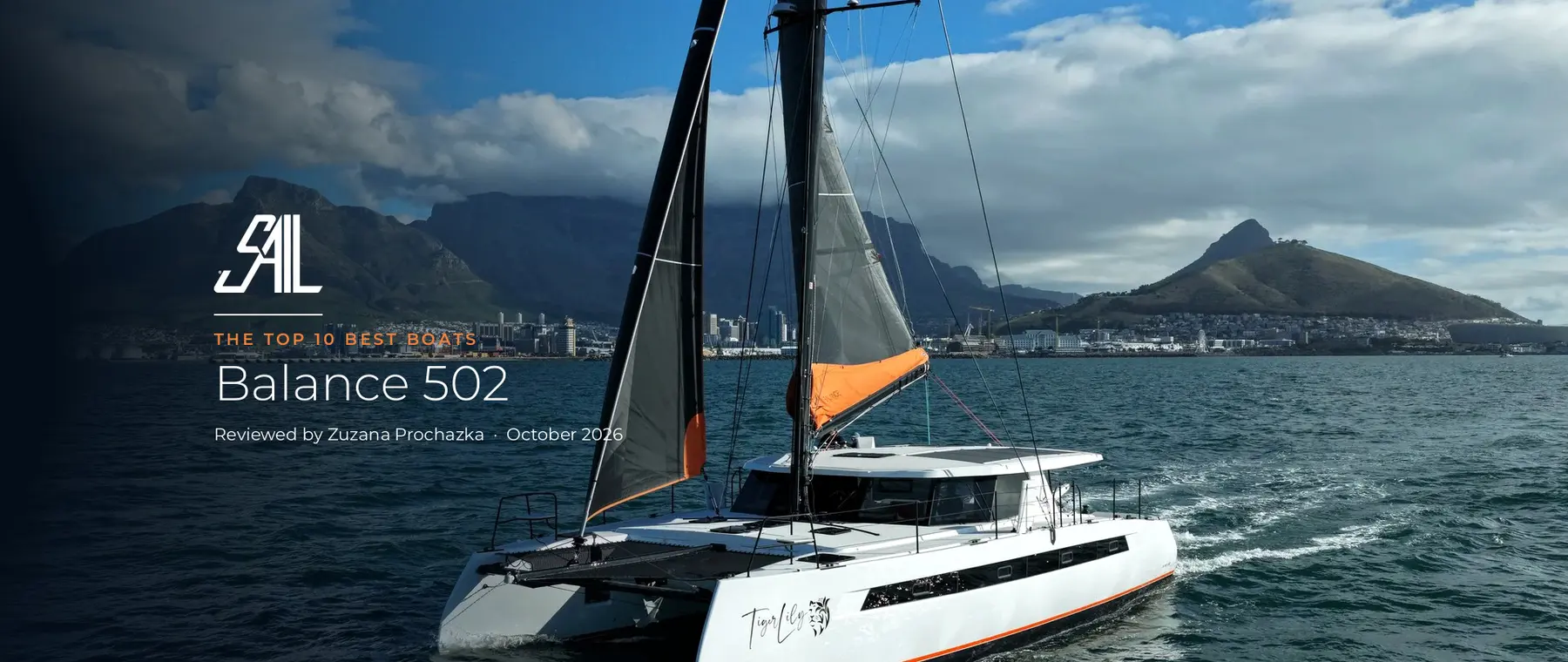
Hull number one arrived in Miami after an Atlantic crossing
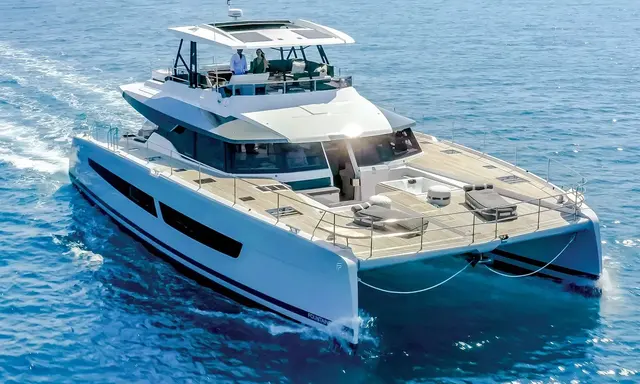
Balance says SAIL editor Zuzana Prochazka tested Tiger Lily in Miami after the first 502 had already completed an Atlantic crossing. That matters because the yacht was not being assessed as an untouched demonstration boat; it had accumulated meaningful offshore miles before the review took place.
For prospective owners, early long-distance use provides useful context around a new model. Systems, storage and deck layouts that appear convincing at a boat show can feel very different after an ocean passage, so testing a travelled hull gives the recognition more relevance than an award based only on static inspection.
Carbon Core construction is central to the 502 formula
The 502 is co-designed by Balance founder Phil Berman and Du Toit Yacht Design. Its Carbon Core structure uses vacuum-bagged epoxy and closed-cell foam with carbon employed through cabin soles, bulkheads, beams, daggerboards and rudders, reducing structural weight while preserving stiffness.
Balance also extended the platform beyond the earlier 482, using the additional length to reduce pitching and refine stern access. Five solar panels are recessed into the hardtop, maintaining airflow below them while keeping the coachroof profile clean and contributing to the yacht's wider energy-management strategy.
Sea-trial numbers underline the performance-cruising brief
Balance reports that the 502 held about 75 per cent of true wind speed at an apparent wind angle of 80 degrees during testing in eight to 15 knots of true wind. At 120 degrees apparent, the yacht reached 9.2 knots while retaining the light helm response expected from a daggerboard performance catamaran.
Those figures matter because the design is not intended to win speed comparisons at the expense of cruising capability. The 502 carries full accommodation, substantial domestic systems and a bluewater payload, so maintaining responsive sailing performance after those requirements are added is central to its position in the market.
VersaDrive combines diesel propulsion with electric capability
Below decks, the 502 can use Balance's VersaDrive system with 15kW electric motors paired to twin 45hp Yanmar diesels and a 36kWh battery bank. Balance says the arrangement can reduce fuel consumption by up to 25 per cent while allowing quiet electrical operation and reducing the need to run a generator overnight.
The Top 10 recognition therefore arrives at a useful point in the model's rollout. Balance has already moved the 502 into broader carbon-intensive production, and the Miami test adds an independent-sea-trial context to a yacht that combines short-handed sailing, hybrid systems and long-range cruising in the core LYG size band.
Official sources: balancecatamarans.com; balancecatamarans.com.