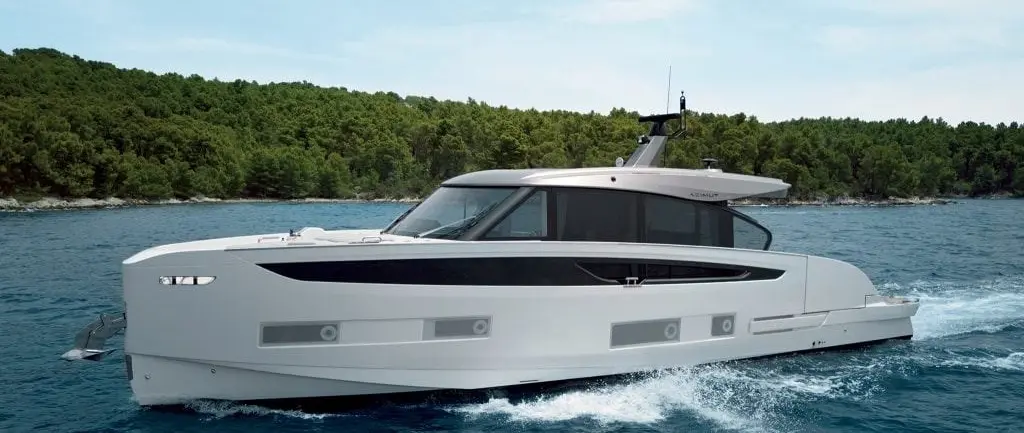
The cockpit becomes the centre of the design
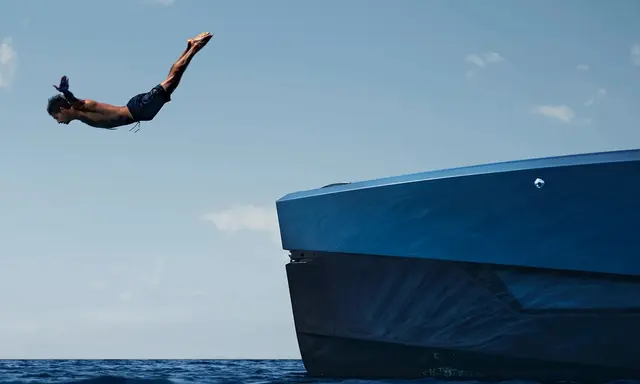
The Seadeck 6 is built around an idea Azimut calls the Fun Island, an open aft area intended to bring guests closer to the sea. Opening wings extend the perceived width of the social zone while steps lead toward the water. It is a clear attempt to make the cockpit more than a passage between saloon and swim platform.
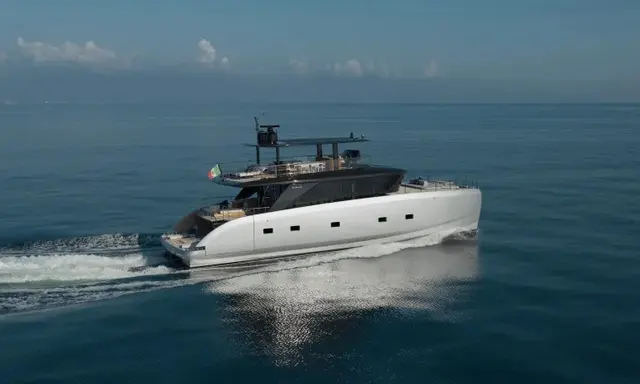
At 17.25 metres overall and 5.05 metres wide, the yacht has sufficient space to separate the steering position and the principal aft gathering area. The main-deck arrangement is designed to feel continuous, with fewer visual barriers between inside and outside. How open it can remain during a passage depends on the particular fittings and crew guidance.
The Fun Island concept is most useful when several people want to spend time together near the water. Some may sit under shade while others prepare for a swim in suitable conditions. This arrangement supports relaxed entertaining, but all side openings and platforms need careful attention when the vessel is underway.
Aft-deck architecture has become a major point of differentiation among modern motor yachts. Azimut's approach makes the edge of the boat an important social destination rather than a purely technical area. Owners should evaluate how the wings, railings and steps work with children or less mobile guests.
Efficiency claims and what they mean
Azimut describes Seadeck as an efficiency-focused series that incorporates carbon fibre and carefully selected materials. The builder claims meaningful reductions in energy use compared with certain conventional references, but such comparisons depend on the assumptions and configurations involved. Buyers should ask which measured results apply to the exact model.
The Seadeck 6's published construction combines carbon-fibre elements with glass-reinforced plastic. Weight reduction can support performance and efficiency when used as part of an integrated design. It does not by itself establish the total environmental impact of building or operating a yacht.
Azimut also identifies recycled or recyclable materials and interior approaches intended to change the feel of life on board. Those decisions may matter to owners interested in purchasing choices beyond conventional luxury finishes. Materials should still be assessed for durability, maintenance and suitability in a marine environment.
The series is described in Azimut's marketing as a hybrid family, while the Seadeck 6 technical table lists triple Volvo Penta IPS diesel propulsion as standard with further options. A buyer should not assume all delivered vessels have identical hybrid functionality. Ask for a complete power-system specification and operational demonstration.
Performance and the accommodation plan
The manufacturer lists three guest cabins plus separate crew accommodation, creating a six-berth family layout. That is a sensible arrangement for a yacht built around shared time on deck. Owners should examine the privacy and storage in each cabin before deciding how often overnight guests can be accommodated.
Azimut's technical material includes triple Volvo Penta IPS 500 drives of 380 horsepower each, with optional IPS 650 alternatives. Performance claims vary between the coupé and sundeck versions and depend on configuration. The published maximums are best read as comparative reference figures, not guaranteed real-world speeds.
The builder provides example consumption and range figures from sea trials, including a slow-cruise reference near 18.5 knots. Such figures are useful for understanding the design intent. Owners planning longer routes must calculate usable range with reserve allowances, actual loading and prevailing conditions.
Designers Alberto Mancini, Matteo Thun and Antonio Rodriguez are credited with shaping the exterior and interior concept. The collaboration aims to combine a clean visual profile with a more relaxed material palette. The key ownership question is whether that atmosphere remains practical across an entire day afloat.
A yacht for a different rhythm at sea
The Seadeck 6 will appeal to buyers who see the stern lounge as a central part of their time on the water. It offers a strong environment for swimming, conversation and moving between deck and saloon. That use may be more important than achieving the highest possible headline speed.
An optional sundeck configuration adds more outdoor space and another steering perspective. The choice affects weight, sightlines and how guests spread around the vessel. Comparison should include the exact specification, available shade and how the yacht will normally be used.
Because the model incorporates multiple design and technology ideas, a visit should go beyond admiring the Fun Island. Ask for data on installed propulsion, energy systems, opening-wing controls, service access and seaworthiness in the intended cruising area. A thorough trial converts a compelling concept into an informed decision.
Azimut's Seadeck 6 is a useful example of the changing priorities in family yachting: sociable water access, interior calm and close attention to energy use. These qualities can reinforce each other when properly configured and operated. The official specification is a starting point for checking which promises apply to the yacht on offer.