AGL Marine is using the Cannes Yachting Festival 2026 to put a wider range of biocide-free hull-protection products in front of yacht owners, captains and refit teams. The French distributor says the latest additions respond to tightening environmental expectations while still addressing the practical problems of fouling, drag and underwater maintenance.
The presentation centres on silicone and foul-release technologies rather than traditional antifouling chemistry. AGL Marine is showing products from Seajet, Propspeed and Hempel alongside its broader coatings portfolio, giving yards and owners several routes for protecting hulls and underwater appendages without relying on the same active ingredients used by conventional systems.
Seajet Seosil uses a silicone foul-release surface
One of the main products is Seajet Seosil RX, part of the Seosil silicone range. Instead of poisoning marine growth, the coating creates an exceptionally smooth, hydrophobic surface intended to make it difficult for organisms to attach firmly, so fouling can be shed more easily through movement and cleaning.
AGL Marine says the system can be used on GRP, wood, steel and aluminium, widening its relevance from production yachts to custom craft and tenders. The distributor also links the smoother surface with reduced hydrodynamic drag, which makes the coating interesting not only as an environmental measure but as part of a broader efficiency strategy.
Underwater hardware gets its own treatment
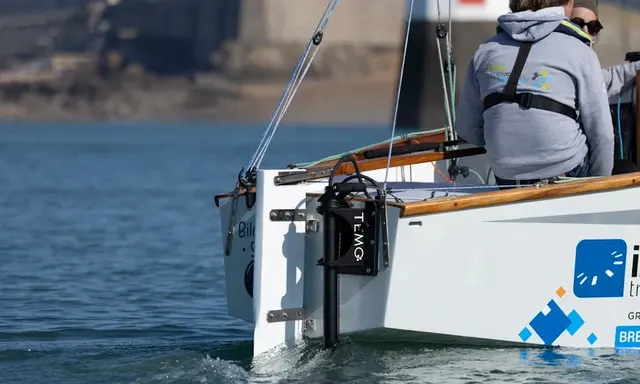
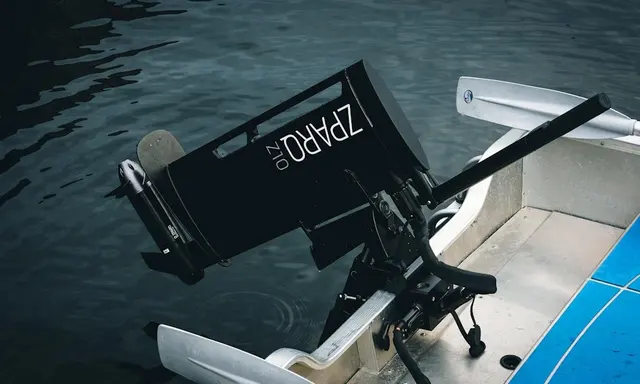
Fouling is not limited to the hull, and the Cannes package also includes Propspeed Foulfree Multi-Surface. The product is intended for components below the waterline such as outboard legs, drives, thrusters, stabilisers, trim tabs and immersed RIB tubes, where conventional hull coatings are not always suitable.
That matters because even a clean hull can lose efficiency when running gear and control surfaces become heavily fouled. Treating those smaller components as part of the same maintenance plan can help owners preserve manoeuvring performance and reduce the cleaning burden between haul-outs, particularly on boats that spend long periods in warm marinas.
Hempel Infinity targets the maintenance cycle
AGL Marine is also highlighting Hempel Infinity, a water-based product designed to refresh existing Hempel silicone systems such as Silic One and Hempasil Pro. Rather than building up additional conventional antifouling layers every season, the product is intended to extend the useful performance of the underlying silicone coating.
The practical attraction is a maintenance process with fewer accumulated layers and potentially less labour during annual servicing. For owners, that can be as important as the chemistry itself because a coating system only delivers environmental or efficiency benefits if yards can maintain it predictably without turning every haul-out into a major surface-preparation job.
Biocide-free coatings are becoming a systems choice
The growing number of silicone products also changes the purchasing decision. Owners and yards now need to consider substrate preparation, compatibility, application skill and future repair procedures rather than simply selecting an antifouling colour and expected service interval from a familiar range.
That is one reason AGL Marine is pairing product distribution with technical training through its AGL Académie. Silicone systems can perform very differently from traditional coatings if preparation or film build is wrong, so installer knowledge becomes part of the product rather than an optional extra after the materials have been bought.
Cannes puts sustainability beside everyday maintenance
The significance of the Cannes presentation is that these products address an ordinary ownership cost rather than a distant experimental technology. Every yacht that remains afloat needs a fouling strategy, and regulatory pressure is pushing the industry to find solutions that reduce environmental impact without creating unacceptable compromises in speed, reliability or maintenance.
Silicone foul-release coatings are not a universal answer for every operating profile, especially where boats remain static for long periods or local cleaning rules differ. The expanding range nevertheless gives owners more credible choices and encourages a more detailed discussion with yards about how a yacht is actually used before the next antifouling system is specified.
What owners should watch next
The next test is long-term performance across different cruising areas, water temperatures and usage patterns. A coating that works well on a frequently used Mediterranean yacht may behave differently on a boat that spends months alongside, so documented service experience will matter as much as launch claims.
For Luxury Yacht Guide readers, the wider trend is clear: underwater coatings are becoming part of the efficiency and sustainability conversation rather than a routine consumable chosen at haul-out. Cannes gives AGL Marine an opportunity to show that transition through products already intended for real refit and maintenance programmes.