Coast Guard transition adds momentum
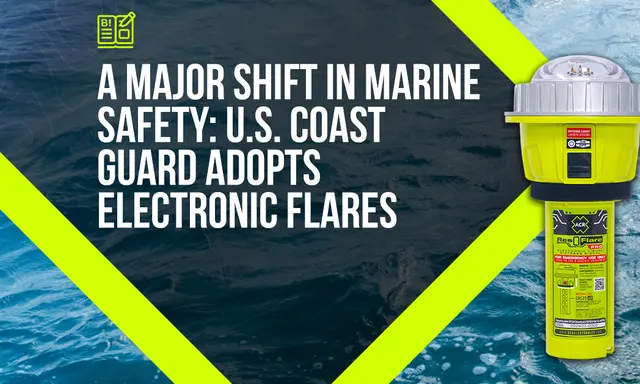
ACR says the United States Coast Guard completed the removal of pyrotechnic flares from its cutters by June 2026 and replaced them with electronic visual distress signalling devices. The manufacturer argues that the operational move strengthens the case for electronic alternatives in both commercial and leisure boating.
Approved eVDSDs are already a legal substitute for pyrotechnic flares on recreational boats in the United States and Canada when the relevant carriage conditions are met. ACR says awareness among boaters has not yet caught up with the regulatory change.
Why manufacturers favour electronic signals
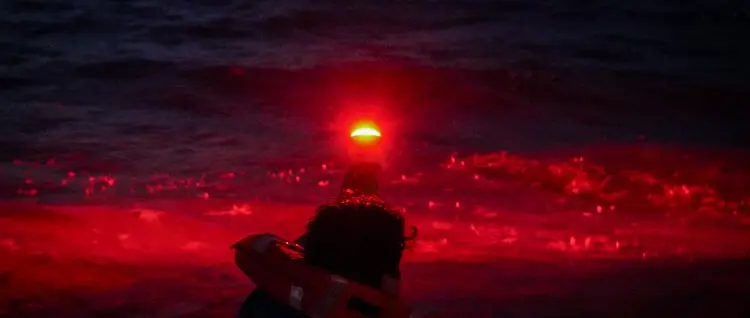
Electronic flares avoid several longstanding drawbacks of pyrotechnics, including hot burning material, expiry cycles and disposal of hazardous expired units. They can also operate for much longer than a conventional handheld or aerial flare, extending the time a casualty can display a visual distress signal.
ACR also points to the existing RTCM performance standard for eVDSDs as evidence that the technology can be tested against defined requirements. The company wants broader international standards so that approved electronic signals can be recognised more consistently across jurisdictions.
International rules remain mixed
The regulatory picture is not uniform worldwide. ACR notes that pyrotechnic carriage remains mandatory for many commercial and recreational vessels under national rules and for vessels covered by international conventions, so owners cannot assume an electronic device automatically replaces every required flare.
That makes flag-state and operating-area requirements important for yachts moving between countries. A safety locker may legitimately contain both electronic and pyrotechnic signals where regulations still require the latter.
What yacht owners should take from the change
For yacht owners, the transition is a reason to review the age, condition and legal status of the distress-signalling equipment carried on board. Electronic devices can reduce storage and disposal concerns, but they still require batteries, inspection and an understanding of the approved flash pattern and use case.
The wider direction of travel is clear even if regulation is moving at different speeds. Marine safety suppliers are pushing visual distress signalling toward reusable electronics, while regulators decide where and when those devices can replace traditional pyrotechnics.