A formal move away from pyrotechnics
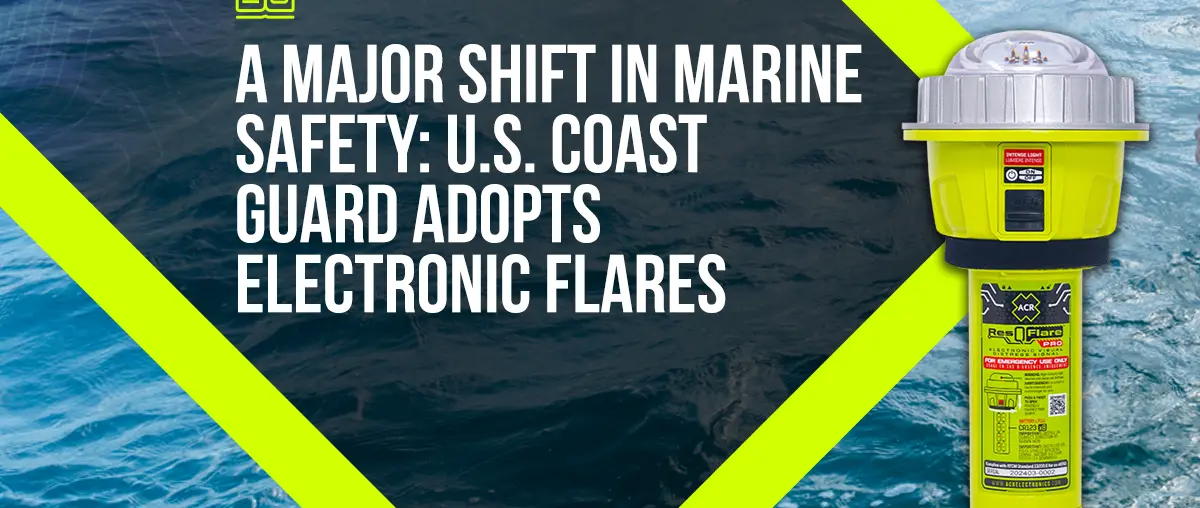
ACR points to US Coast Guard announcement ALCOAST 234/25, which directed approved electronic visual distress signalling devices to replace MK-124 pyrotechnic signals aboard Coast Guard boats by 1 April 2026. The change was framed around reliability, endurance and safer handling.
The decision is notable because Coast Guard crews routinely operate at night and in severe weather, where emergency equipment has to work predictably under pressure. ACR argues that this real-world operational use should prompt recreational owners to reconsider the traditional assumption that pyrotechnics are the only credible visual distress signal.
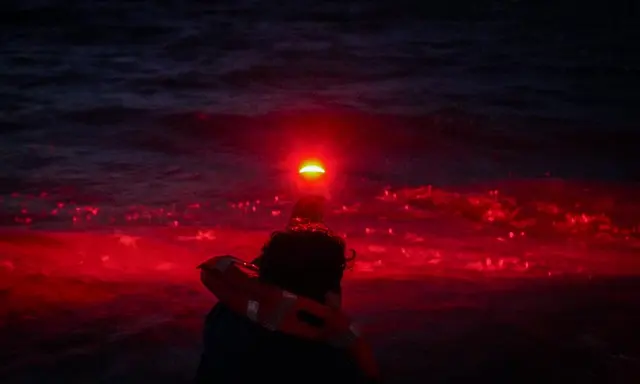
Longer signalling without an open flame
An electronic flare can produce a repeated visual signal for far longer than a burning pyrotechnic. It also removes the risk of holding or storing a device that creates flame, heat and combustion products on a vessel where fuel, fabrics and composites may be nearby.
Expiry and disposal are another difference because traditional flares have limited service lives and can be difficult to discard legally. Electronic units still need battery checks and maintenance, but their ownership cycle is fundamentally different.
Legal replacement depends on the jurisdiction
In the United States, approved eVDSDs can satisfy recreational visual-distress requirements when used in accordance with the applicable rules. That does not mean every electronic light qualifies, and it does not mean the same replacement is accepted automatically by other flag states.
Owners of cruising yachts should therefore check the approval carried by the device and the rules of the yacht's registration and cruising area. A mixed inventory may remain sensible where international voyages expose the vessel to different carriage standards.
Safety equipment is becoming more electronic
The flare change sits alongside wider advances in EPIRBs, PLBs, AIS MOB beacons and connected recovery systems. Together, those developments are moving distress equipment toward longer-duration electronic signalling and more precise location information.
The practical priority remains redundancy rather than dependence on one technology. A well-prepared yacht combines distress alerting, visual signalling, radio communications and recovery procedures so that one failure does not remove the crew's ability to call for help.