An island capital that starts at the quay
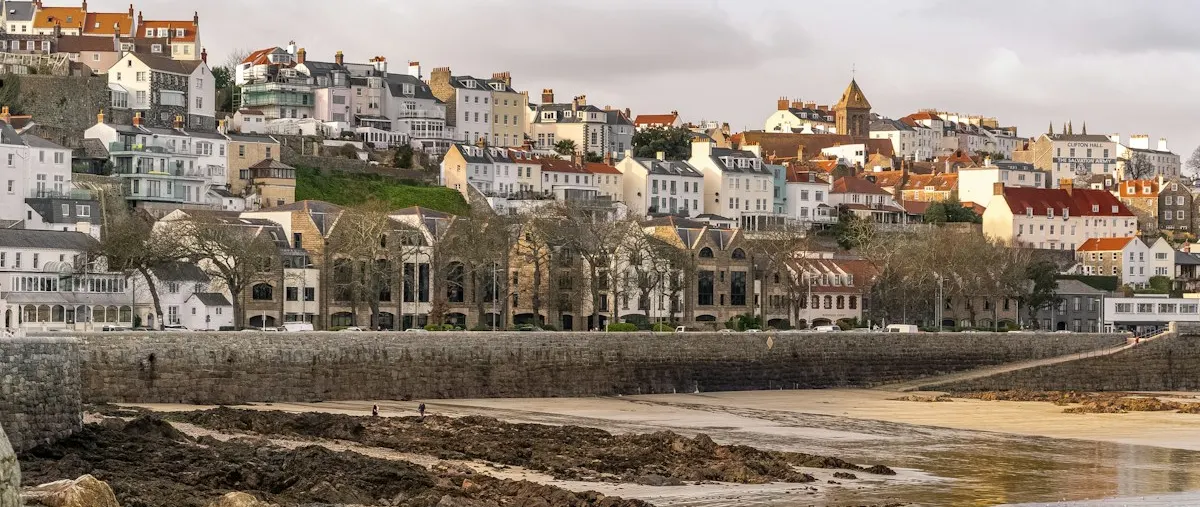
St Peter Port makes a persuasive Channel Islands call because the town begins almost at the water's edge. From a yacht, the impression is of layered buildings rising above the harbour, with working quays, ferries, leisure craft and the outline of Castle Cornet sharing a compact waterfront. The pleasure is immediate access rather than a resort constructed around a marina. You can step ashore to a café, a steep lane or a waterside promenade without planning an excursion by car. For a cruising yacht of 12 to 23.99 metres, that convenience is a genuine asset, especially when a passage schedule allows only one or two nights.
But the harbour's character also defines its practical demands. Tides and berth arrangements matter, and a skipper cannot assume that a marina space operates like a permanently accessible, advance-booked hotel room. Official Guernsey Marinas information should be the first reference for the current visitor scheme, and a direct conversation with harbour staff is sensible before the final approach. Treating St Peter Port as a working maritime arrival rather than simply a postcard destination makes the whole visit calmer. Once the boat is properly situated, the town rewards unhurried exploration on foot.
Visitor berthing without false promises
Guernsey Marinas sets out visiting arrangements that include the Swan pontoons, where craft up to 30 metres may be accommodated, and the tidal Victoria Marina. The important distinction for visitors is that berthing is generally allocated on a first-come, first-served basis rather than reserved in advance. Availability can vary with weather, season, resident movements and the number of visiting vessels arriving together. A 12-metre yacht and a vessel approaching 24 metres do not necessarily have the same options, even when a headline maximum length looks generous. Confirm suitability for actual length overall, beam, draught and manoeuvring characteristics.
Before departure from the previous port, use the marina's published enquiry and visitor pages to understand how arrivals are handled; then check live instructions with the harbour authority. Do not rely on an old cruising diary for the current pontoon assignment or a remembered position in the harbour. The Swan facilities and the Victoria Marina are different operational choices, with different access implications. On a longer yacht, a skipper should also be realistic about windage, turning room and crew available for lines. A good berth is one that can be entered and left safely, not merely one that appears to fit the length listed online.
Tides shape the day's timetable
St Peter Port's tidal setting means the sensible itinerary starts with the boat's navigation plan, not a restaurant reservation. Check the latest tide tables, published harbour access information, charted depths and notices before committing to a berth or departure time. Tidal marina access may be restricted; a pontoon outside the locked basin can produce a different routine. Make sure the chosen arrangement matches the yacht's draught and the passage schedule. A long leisurely lunch loses its charm if it coincides with the only practical window for moving the boat, so establish those windows early.
Weather deserves equal attention. The Channel Islands sit in busy waters with strong tidal streams and changing visibility, and the final approach deserves preparation proportional to the crew's experience. This article is a destination guide, not pilotage. Carry current charts and use authoritative local directions, including any temporary harbour traffic requirements. Once the yacht is secure, however, the rhythm changes completely. The same tide that demanded forethought at arrival can become part of the view from a waterfront terrace as ferries, fishing vessels and small boats work the harbour.
A morning among the town's lanes
St Peter Port is best experienced by walking uphill in stages. Its compact centre is full of changes in level: a narrow lane can quickly produce a view back over masts, rooftops and the sea. Start with the harbour front while the town is waking, then climb into the streets above the shopping quarter. The appeal is not a list of expensive attractions but the connection between land and water. Old stone, shopfronts, small gardens and unexpectedly framed harbour views make a pleasant circuit before lunch. Good shoes are more useful than a complicated timetable.
For visiting owners and guests, the walk offers the sort of island discovery that is difficult to schedule from a shore resort. There is an established town rather than a manufactured waterfront, and life continues around the visitors. Allow time to stop for a coffee, inspect a bookshop or watch the changing colour of the water from an elevated street. The local tourism authority's St Peter Port guide is a useful starting point for adjusting the route to interests and opening hours. Avoid overpacking the morning: the best part of this town is the way one small turn leads to another.
Castle Cornet at the harbour entrance
Castle Cornet is the obvious landmark to explore once the boat is settled. Occupying its commanding position near the harbour approach, the historic complex ties Guernsey's military story to the water through which visiting yachts pass. The site contains museums and fortifications, and the views look back toward the town and across the approaches. It works particularly well for a crew that has just navigated into St Peter Port: the geography, which was practical during arrival, becomes legible from the land. Check the attraction's official visitor information for seasonal opening and ticket arrangements.
Rather than rushing between display rooms, give the structure time to reveal its layers. Walls, passages and outlooks encourage slow movement, and the maritime setting is as much a part of the visit as the exhibits. From different points the harbour appears at new angles, making the castle one of the best places to appreciate the town's relationship with its anchorage and quays. Guests who enjoy naval history may spend much longer here than expected; those who prefer scenery still gain an exceptional elevated panorama. Plan enough time to return comfortably to the yacht before any required move.
Candie Gardens and a different horizon
For an alternative perspective above the centre, Candie Gardens offers greenery and town views. The site is a change of pace after a morning beside working quays: paths, planted areas and the sense of being just above the urban activity provide a restful interval. Check current access details through Visit Guernsey, particularly if travelling outside the main visitor season. From this elevation the harbour landscape becomes an arrangement of streets, sea and smaller islands rather than a set of individual berths. It is a welcome contrast during a short yacht stop.
The climb also suggests a useful rule for a Guernsey itinerary: alternate waterside activity with a little height. Watching the harbour is enjoyable from both directions, and even a brief walk up from the quays can reveal a different aspect of the island. For a couple staying only one night, this may be a better choice than arranging an ambitious drive around Guernsey. There is enough depth within the town for a satisfying day ashore. Those with additional days can consider exploring the wider island, but the first visit need not depend on a vehicle.
Eating ashore and returning aboard
A marina visit often succeeds or fails on small comforts. In St Peter Port, the concentration of cafés, shops and restaurants makes provisioning and an evening out comparatively easy once the berth is confirmed. Check business hours individually rather than assuming that every dining room stays open year-round. Those cooking aboard can make a short walk for fresh ingredients; those celebrating a good passage can book a proper dinner. Either way, the boat remains close enough to serve as the centre of the stay rather than an inconvenient outpost.
Build a modest amount of flexibility into the evening. A tide-dependent departure next morning may favour an early meal, while a settled two-night stay creates room for a longer dinner and a late stroll along the waterfront. Remember to factor in any marina access arrangements when returning aboard, particularly if the crew is using a basin with restricted operating times. Good destination advice sometimes consists of resisting the temptation to promise effortless access. Here, clear harbour planning buys the freedom to enjoy a highly walkable island capital on its own terms.
A two-day plan for 12–24m cruising boats
On day one, make the approach with the latest harbour information, establish the actual berth before setting out, and keep the first few hours deliberately light. A waterside lunch and a slow exploration of the central lanes give the crew a sense of place without adding pressure after the passage. Castle Cornet can follow if opening hours and the tide plan permit. Return to the boat to review conditions and the next day's requirements before dinner. St Peter Port rewards that combination of sensible seamanship and easy sociability more than a crowded sightseeing schedule.
On day two, use the morning for Candie Gardens or a longer walk into the streets above the harbour, then provision and prepare for the next leg. If the boat is due to move with the tide, put that obligation first and trim the shore plan accordingly. Weather or berthing conditions may favour a third night or an earlier departure; neither is a failure of the itinerary. The real luxury of exploring Guernsey aboard a 12–23.99m yacht is having a private base at the doorstep of a historic town while retaining the freedom to adapt.
Source notes for skippers and readers
This feature uses Guernsey Marinas' official visitor-berthing, berthing-enquiry and onshore-facilities pages for harbour descriptions and the first-come allocation principle. Visit Guernsey's official material supports the St Peter Port, Castle Cornet and Candie Gardens shore suggestions. Published facilities, prices, opening hours and access procedures can change; verify them directly with the operators before acting. Dimensions stated here describe particular official facilities, not a promise that a berth is currently available. Vessel suitability remains an operational decision for the harbour and skipper.
The destination is deliberately framed for genuine cruising yachts from 12 metres to just under 24 metres. The yachts in that range combine meaningful passage-making ability with a size at which quay access, line handling and restricted tidal basins require planning. The experience is neither a superyacht harbour briefing nor a small dinghy day trip. For readers considering a Channel Islands voyage, St Peter Port's defining strengths are straightforward: a maritime town, compelling historical landmarks and a shore itinerary that starts within walking distance of the berth.
Image credit: Guernsey waterfront architecture by Samuel Sulaiman. Original photograph, used under the Unsplash License. The lead photograph is illustrative and does not depict an unverified product or berth.