A focused week for two collecting disciplines
Sotheby’s New York scheduled its Prints & Photographs Part I auction for 8 October 2026, with related online presentations of Prints Part II and Photographs Part II closing on 9 October. Bringing these categories into close proximity encouraged collectors to consider the visual and technical relationships between work made through printmaking and work created through photography.
For a collector accustomed to paintings and sculpture, these sales can provide a useful change of perspective. Many prints and photographs exist as editions, yet their appeal is not reducible to a numerical edition size. The printing process, the timing of a print relative to the artist’s career and the quality of the specific impression all influence how a work should be evaluated.
What makes an original print distinctive
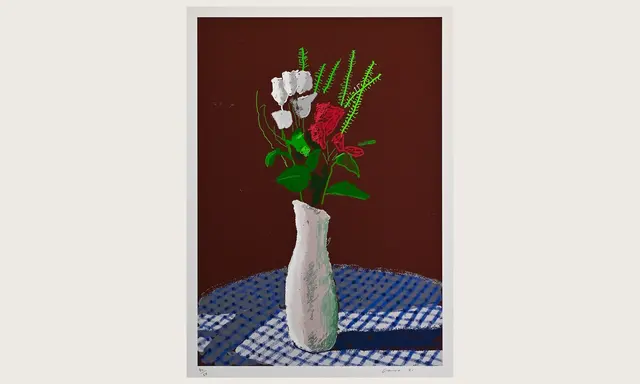
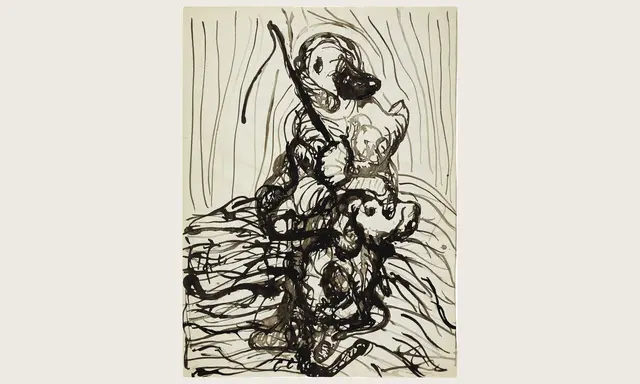
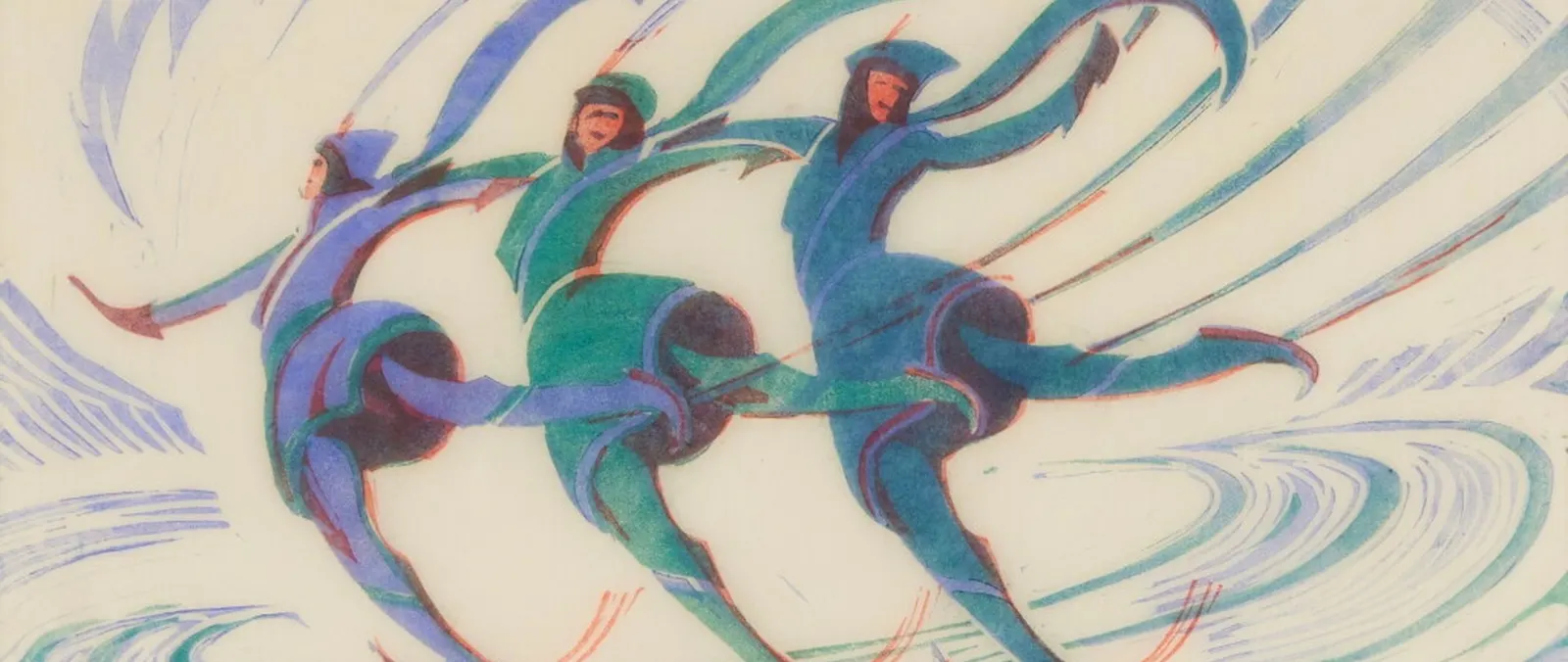
Printmaking encompasses a variety of methods including lithography, etching, woodcut and screen printing, each producing different effects. Collectors should understand which technique was used, whether the print belongs to the artist’s lifetime and how the impression relates to the edition as a whole. An artist’s signature alone may be insufficient to establish its place in the catalogue of work.
Condition also has a special significance for paper objects. Margins, discolouration, creases, restoration and the treatment of the sheet in past framing can influence both enjoyment and future value. Print specialists may refer to states, proofs and other production details that require careful reading. Such language is not decorative jargon: it helps identify exactly what the purchaser will receive.
Photography requires its own questions
Photographic collecting raises a different set of concerns around when an image was printed, by whom and using which process. A print made close to the date of the negative can occupy a different place in the market from a later edition made with the artist’s approval. Physical labels, stamps, paper type and provenance can help establish those distinctions.
The visual qualities of a photographic print may also change with scale or surface. A glossy enlargement, a matte fibre-based print and a contemporary pigment print offer different relationships between image and object. A buyer should request detailed images and measurements and, when possible, view the actual print. Colour balance and tonal range are difficult to judge reliably from an ordinary screen.
Building a coherent collection
A coordinated print-and-photography calendar can help collectors compare works across periods and media while staying focused on a particular theme. A collection built around portraiture, for example, may draw on both photographic and graphic traditions. Another might use editions to explore different expressions of an artist’s work without pursuing only one-of-a-kind objects.
Budgeting still requires discipline. Hammer prices are only part of the expenditure, and professional framing can be a material additional cost. Storage and rotation may be needed when a collection contains more delicate sheets than can safely remain on view. Asking an independent conservator for advice before buying an expensive paper work is often more useful than attempting to repair preventable damage later.
Why the New York programme matters
Sotheby’s operates specialist departments that support collecting across fine-art categories, and the October sales place printmaking and photography beside one another rather than isolating them in unrelated calendars. For serious collectors, this kind of presentation encourages study of medium and artistic process, not only pursuit of famous names.
The October auction dates are now historical; interested readers should consult the individual lot records for final status and sale terms instead of interpreting pre-sale pages as confirmed results. The wider lesson holds beyond one auction house: works on paper can be among the most intimate and intellectually rewarding objects in a private collection when chosen with proper attention to craft, condition and history.