An online sale spanning several generations of art
Sotheby’s Modern Discoveries ran in New York from 1 to 9 October 2026, presenting 207 catalogue results across an online auction rather than a single-room evening event. The published selection mixed familiar modernist names with artists whose work rewards attention beyond the headline names of the autumn auction calendar. For buyers, the range created a different sort of opportunity: evaluating individual objects on merit, condition and provenance rather than following the choreography of a marquee auction.
A digital closing schedule made timing an important part of participation. Lots were set to finish in one-minute intervals, subject to extensions and the auction platform’s conditions. That structure allows close attention to a particular painting while also introducing the possibility that several desirable works approach their closing moments together. Collectors had to organise their decisions before the final minutes rather than relying on a leisurely survey of the sale.
A catalogue built for comparative looking
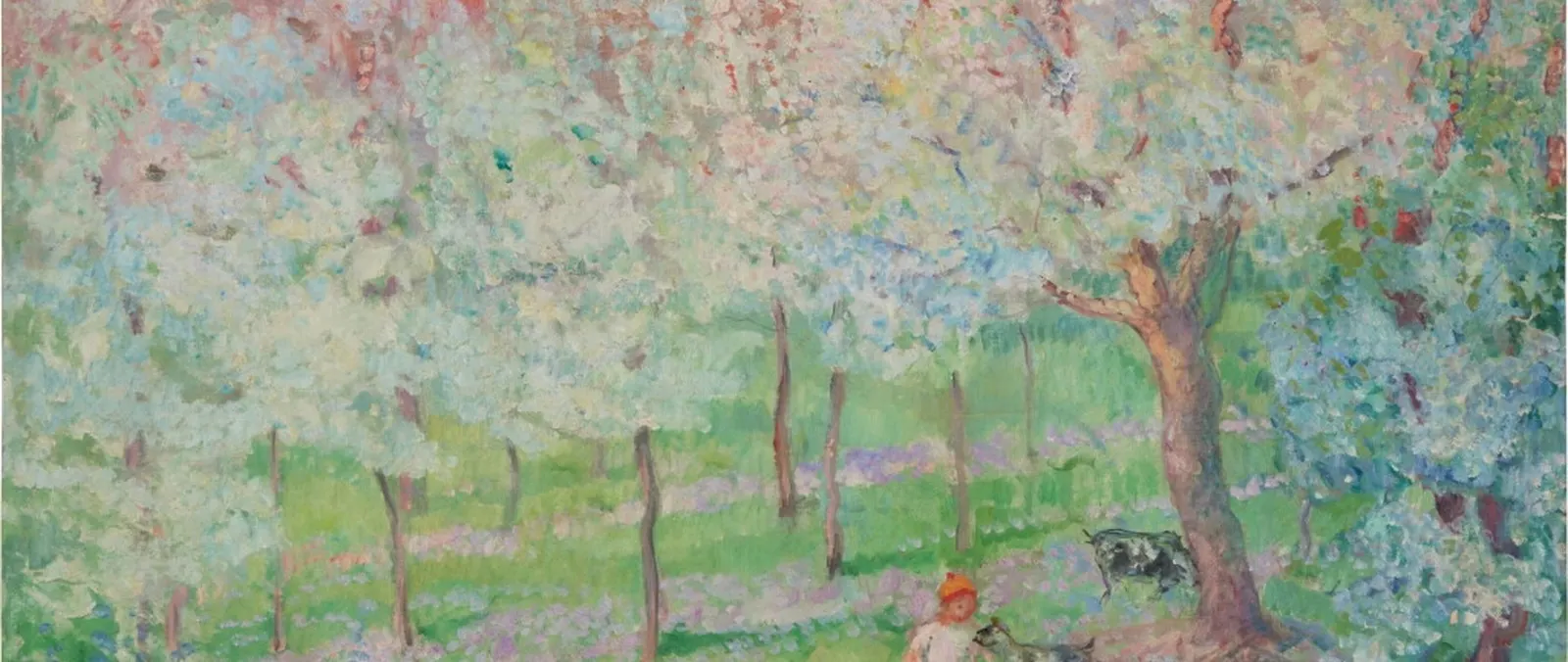
Among the opening listings were Henri Lebasque’s Enfant dans un verger en fleurs, with a pre-sale estimate of $40,000 to $60,000, and Henri Martin’s Les Communiantes, estimated at $12,000 to $18,000. Maurice Denis and Maurice Utrillo also appeared early in the catalogue. These examples demonstrate the sale’s range of subject matter and the varied pricing decisions that accompany works from related but distinct artistic periods.
Estimates are guides set before a sale, not guarantees of value or final transaction prices. A tempting estimate can obscure extra costs including the buyer’s premium, applicable taxes, insurance and specialist shipping. The responsible way to compare two objects is to examine medium, scale, date, condition, exhibition history and ownership documentation together. A lesser-known work with strong documentation may deserve more scrutiny than a recognisable signature attached to a compromised example.
Condition and ownership deserve priority
Works on paper, oils and mixed-media objects ask different questions of a potential purchaser. A paper work may require close examination of discolouration, foxing, mount materials and light exposure, while a painting calls for a review of surface, support, varnish and restoration history. Catalogue photography is a starting point, but it rarely substitutes for a detailed condition report from the auction specialist.
Provenance also has practical consequences for collection management. Records of previous owners, dealer transactions, exhibition labels and archival references help establish an object’s history and support future insurance or resale. International buyers should also assess export restrictions and customs requirements before arranging transport. None of these checks makes an auction acquisition less exciting; they convert an attractive image on a screen into an object a collector can responsibly own.
What the format offers private collectors
Online sales widen participation for collectors unable to travel to New York during a crowded autumn calendar. Bidding can be considered alongside advisory conversations and private viewing arrangements, which matters for purchasers maintaining collections across several residences. A remote buyer can still ask for additional photographs, measurements and specialist explanations before making a commitment.
The format also increases the need for discipline. A bidder viewing multiple works in sequence should set a total expenditure ceiling that includes fees and logistics, rather than only a maximum hammer bid. Collection advisers can rank works by importance to an existing collection, helping prevent several incremental purchases from displacing a more significant planned acquisition. That is particularly relevant when a catalogue offers 207 possibilities rather than a tightly edited handful.
Sotheby’s position in the collecting landscape
Sotheby’s operates across fine art, luxury objects and private sales, combining traditional specialist relationships with digital auction channels. Modern Discoveries sits in a segment where discovery and connoisseurship have as much relevance as headline auction records. The house’s online presentation provides a catalogue framework, while its specialists remain essential for the nuanced questions that determine whether an object suits a collection.
For lifestyle readers, the lasting point is that meaningful art collecting does not require an evening-room spectacle. Smaller-format online auctions can encourage careful looking and a more personal collection strategy. The October sale is now a historical event, so anyone researching a particular lot should consult its individual Sotheby’s result and supporting documentation rather than mistake a snapshot of the catalogue for a verified final price.