An October window for modern art collecting
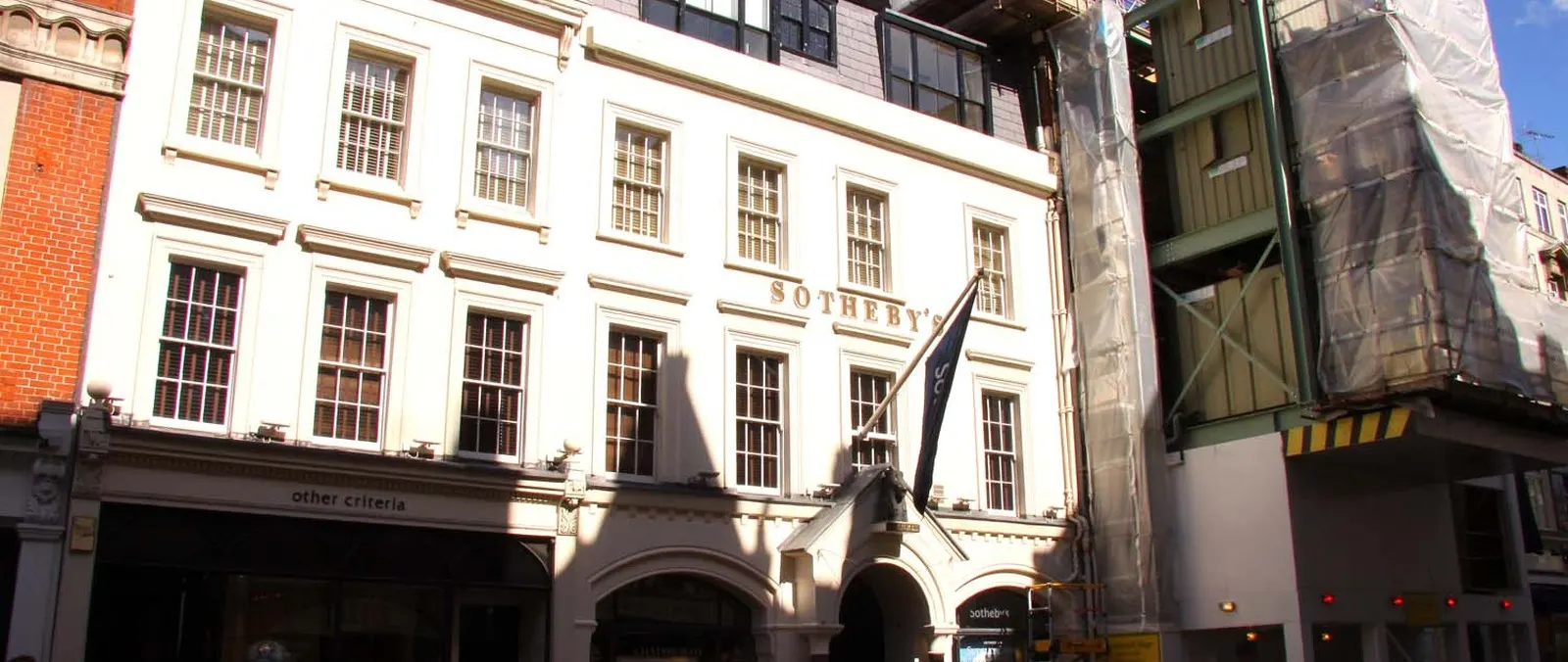
Sotheby’s Modern Discoveries is scheduled to open in London on 22 October 2026 and close on 29 October, presenting art associated with the nineteenth and twentieth centuries. The auction house identifies Edgar Degas, Franz Marc and Paul Signac among the artists represented, with oils, works on paper and sculpture forming the announced mix.
This is a digital auction, but Sotheby’s has arranged public viewings during the bidding period. A collector can therefore consider the catalogue remotely and inspect a particular object in London before the auction finishes. The balance of online bidding with a physical exhibition is especially useful in a category where colour, scale and surface can differ considerably from their digital representation.
Why the artists merit different approaches
Degas is closely associated with studies of movement and modern urban life, yet his working methods encompassed drawing, painting and sculpture. Franz Marc’s animal imagery and colour theories emerged from a distinct German modernist context, while Signac developed a rigorous approach to optical colour and the painted mark. Their presence in one sale should encourage comparison, not an assumption that all modern art can be assessed with one formula.
Buyers should identify the medium, date and place of the exact work within an artist’s wider output. A study made in preparation for a larger composition carries a different significance from a fully resolved painting, and a late impression of a print raises different questions from a unique drawing. These differences are part of the pleasure of looking closely and essential to sensible valuation.
Practical viewing and bidding arrangements
The published London exhibition runs from 23 to 29 October, while bidding is due to start at 2pm BST on 22 October and finish at 2pm GMT on 29 October, spanning the seasonal clock change. International participants should rely on the auction platform’s current countdown rather than transpose those times casually between time zones.
Specialist questions ought to be raised before the closing session. A condition report may explain repairs, fading, handling marks or later mounting, and provenance records can clarify the history of ownership and exhibition. When an important acquisition is being considered, independent expert advice can complement the auction house’s information. Estimates, if shown for individual lots, are not assurances of market value.
Planning for a cross-border acquisition
Paper works are sensitive to light and changes of humidity, while a heavy sculpture may need specialist equipment for installation. Different media also attract different shipping, insurance and conservation costs. An apparently modest bid can produce a larger total expenditure once buyer’s premium, taxes, framing or mounting and transport are taken into account.
Export and import rules require particular care for older objects or works with protected cultural status. Purchasers should check destination-specific documentation before bidding, especially when moving a collection between residences. It is preferable to resolve these issues while a sale remains open than after an irrevocable purchase has been made.
A role for the middle market of modern art
Modern Discoveries differs from a tightly staged evening auction intended to concentrate attention on a few major prices. Its stated purpose includes inviting people to expand or begin a collection, which makes it a useful place to develop informed taste across artists and media. Good collecting nevertheless requires patience and a clear understanding of what a particular work contributes.
Sotheby’s catalogue and its specialist team remain the reference for the definitive lot list, individual estimates and updated sale terms. The more lasting opportunity is to study the work itself, its documented history and its relevance to a personal collection rather than buying a celebrated name in isolation.