A Caribbean menu designed around the voyage
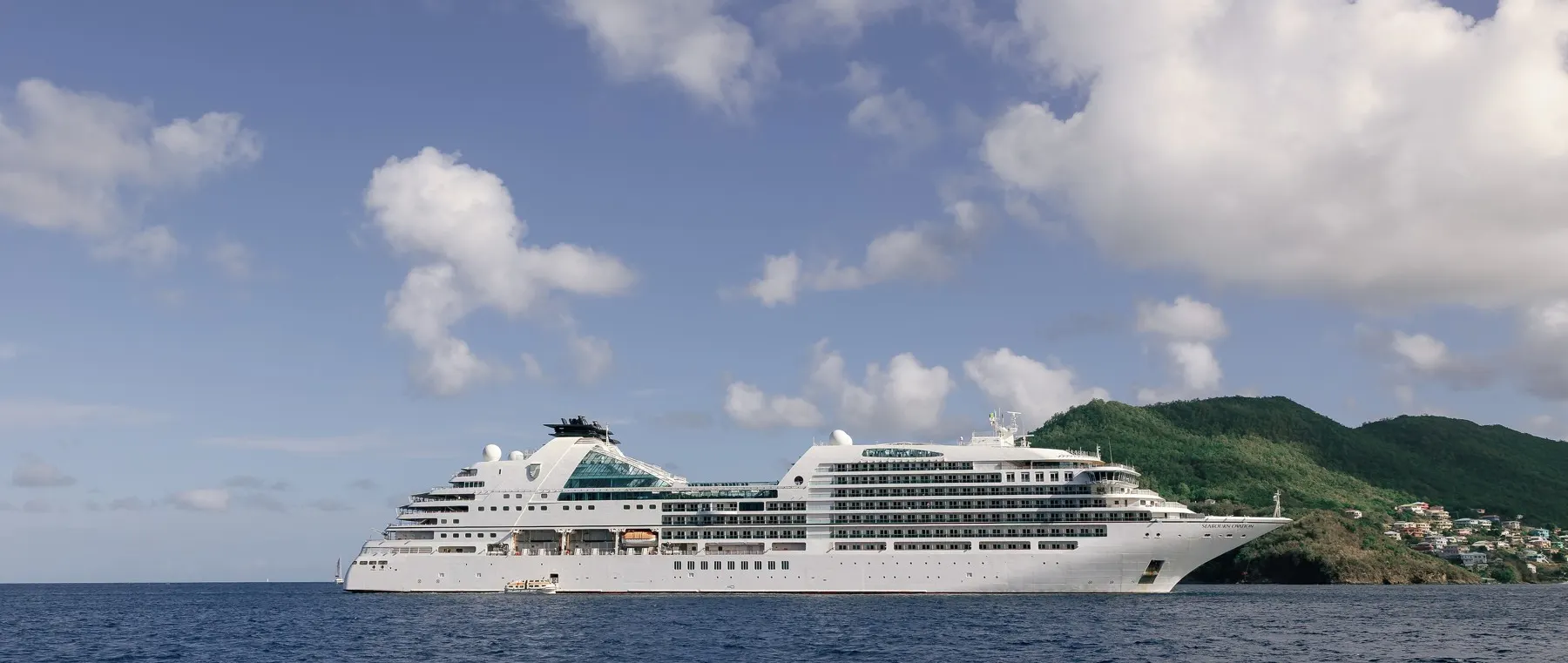
Seabourn is introducing new Caribbean culinary experiences aboard Seabourn Ovation and Seabourn Quest, extending its Earth & Ocean dining approach across voyages in the region. Announced on 12 November 2026, the programme begins during November and brings together seafood, regional cooking, drinks associated with individual islands and experiences outside the conventional dining room. The announcement concerns the food and hospitality provided during scheduled passenger voyages, rather than the launch of either vessel.
For yacht owners who enjoy exploring a destination through its food, the idea is familiar. A meal can establish a connection with a place long before a guest has spent much time ashore. Ingredients, combinations of flavours and the manner in which food is prepared can all provide a starting point for understanding a region. The strongest experiences allow that introduction to complement a traveller's encounters with local restaurants and producers rather than attempting to represent an entire culinary culture through a single menu.
Seabourn's latest programme illustrates several ways in which operators can organise food around the character of the journey. Its approach is relevant to the broader market for premium maritime hospitality, even though a commercial passenger vessel and a privately chartered yacht offer very different levels of flexibility.
Establishing a sense of place on departure
The company's announcement describes refreshments and small dishes prepared for selected sailaway gatherings. The proposed selection includes lobster rolls, jerk chicken sliders, coconut shrimp wraps and plantain with avocado. A separate dinner planned for embarkation day combines steak and shellfish in a menu inspired by the region.
The hours immediately after boarding a vessel can be particularly important in establishing the atmosphere of a holiday. Guests may have arrived after a long journey and be unfamiliar with the layout and routines of the ship. Food served in an informal setting offers an opportunity to settle into the experience without making the first evening dependent on a lengthy formal meal.
There is also a distinction between the flavour of a dish and its size or manner of presentation. Adapting a regional preparation into a small serving suitable for a reception can introduce guests to a combination of ingredients in a different context. It should not necessarily be understood as an attempt to recreate the circumstances in which the food would normally be prepared or eaten on shore.
For a passenger interested in the origins of those dishes, the sailaway menu may encourage further exploration during a subsequent port visit. Jerk preparations, for instance, have a particularly strong association with Jamaica, while other ingredients and methods are shared across several Caribbean islands. The region's cooking is diverse, reflecting different histories and the influence of many communities.
A seafood boil as a shared experience
Among the more substantial additions is a three-course Caribbean seafood boil. Seabourn's published description includes a chowder combining seafood, sweet potato, coconut and lemongrass, followed by a selection of lobster, snapper, clams, mussels and shrimp served with vegetables and cornbread. The dessert is described as a warm Caribbean rum cake accompanied by vanilla ice cream.
The format is interesting because seafood does not have to be presented as an individual fillet or an elaborate plated arrangement. A selection of different species served together creates another kind of meal, with contrasts in texture and preparation. The vegetables and accompanying bread are substantial parts of the composition rather than decorative additions.
A seafood-focused menu requires particular attention to dietary requirements. Passengers with allergies or other restrictions should contact the operator and restaurant staff before participating. The availability of alternatives and the precautions required for an individual guest should be established directly, since a general announcement cannot address every circumstance.
A traveller who enjoys a seafood meal aboard a vessel may also wish to visit a locally operated restaurant ashore. There is value in comparing the interpretation of a region's dishes by an international hospitality team with the preparation of food by the people who live in the destination. These experiences need not compete with each other. They can provide different perspectives on ingredients and cooking traditions.
Bringing regional flavours into ordinary days
The new programme extends beyond special dinners. Seabourn describes rotating Caribbean-inspired selections during evening service in The Restaurant, a themed meal in The Colonnade and a Caribbean brunch. The offerings at Seabourn Square include a Cuban-style roast pork sandwich, hearts of palm salad and a cake incorporating coconut, pineapple and lime.
This approach creates opportunities for guests to encounter different flavours throughout their journey. Not everyone wants a substantial tasting menu each evening, especially after a day of excursions in warm weather. A smaller meal or a selection available during a more informal part of the day may prove equally memorable.
The operator also identifies Jamaican Blue Mountain coffee as available on request. The coffee has a strong identity associated with its growing region, and guests interested in it may wish to discuss the origin and preparation of the product with the serving team. The announcement does not specify the producer or detailed brewing arrangements, which should be confirmed on board if they are of particular interest.
The use of recognisable regional ingredients can help to give the voyage a coherent character, even on occasions when the ship is between destinations. It offers a point of continuity while allowing passengers to encounter different individual places during their shore visits.
The relationship between a menu and the itinerary
On Seabourn Ovation, the company plans to offer selected drinks linked to individual destinations as part of its Rum by Latitude programme. The examples in the announcement reference places including St Lucia, Montserrat, Martinique, Grenada, Bequia and Jost Van Dyke. Their availability will depend on the actual itinerary and the events planned for the departure.
The interesting aspect is the attempt to connect a serving with the place the ship is visiting. Rum production and the use of sugar-derived ingredients have a long and complex history in the Caribbean. Individual producers and the drinks associated with them can offer a subject for exploration in its own right, rather than merely providing an accompaniment to a holiday.
Guests who prefer not to drink alcohol can ask about the non-alcoholic selections and whether an individual beverage can be adapted. The enjoyment of a regional food experience does not have to depend on alcohol, and the operator's release also describes other refreshments throughout the programme.
A destination-specific offering differs from a fixed list available on every sailing. Travellers who are especially interested in one of the named experiences should establish whether it is scheduled for their chosen voyage.
An experience on the beach
Seabourn's programme also extends to its established Caviar in the Surf experience and a new fresh sugar cane juice station at Carambola Beach in St Kitts. This places part of the food experience outside the ship itself, in a setting where the guests' surroundings become an important element of the occasion.
For someone accustomed to private yachting, the attraction of eating near the water is easy to understand. The character of a meal taken outdoors can differ significantly from that of an elegant interior restaurant. Shade, breeze, the movement of the water and the time of day all influence the experience.
Outdoor service also depends on practical arrangements. Appropriate access, local conditions and the organisation of the facilities may affect what is available on a particular day. The company does not promise that every beach experience can operate irrespective of weather or itinerary changes.
The programme should therefore be considered as part of the broader voyage rather than a guarantee of a particular sequence of meals and shore activities.
Choosing a voyage around food and culture
The November announcement gives prospective passengers an additional reason to examine Seabourn's Caribbean itineraries. A culinary programme can complement the choice of destinations, accommodation and the amount of time allocated to individual port calls. It is especially worthwhile to check whether the experiences that matter most to a traveller are available on the specific departure being considered.
For Luxury Yacht Guide readers, the underlying idea is equally relevant to shore holidays and private charters: food offers one of the most immediate ways to engage with a destination. Seabourn's programme puts regional ingredients and traditions at the centre of selected elements of its onboard hospitality. The individual experiences remain dependent on the actual sailing, and their value lies in how they complement the places visited rather than in replacing exploration ashore.
Sources and lead image
Source documentation: https://www.prnewswire.com/news-releases/seabourn-brings-the-flavors-of-the-caribbean-to-life-with-new-earth--ocean-culinary-experiences-302938219.html. Lead image: Seabourn official Caribbean voyage photograph, accompanying the new dining programme — Seabourn, official press photograph; PR Newswire editorial media terms https://prnmedia.prnewswire.com/prnj-faq/. Official issuer-supplied press photograph, reproduced for editorial coverage of the specific announcement and resized for web display.