A different kind of Long Island yacht excursion
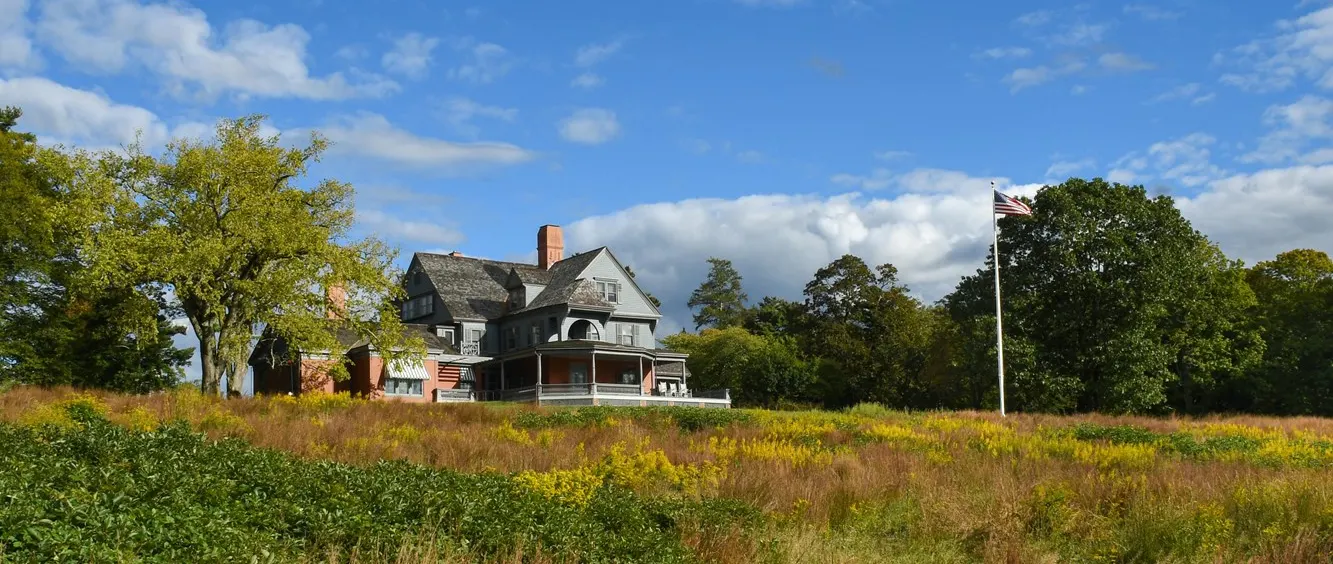
Oyster Bay on Long Island offers yacht guests a gentle contrast with the energy of Manhattan. The harbor and nearby wooded peninsula belong to a landscape that Theodore Roosevelt knew long before his presidency, when rowing, swimming, riding and walking were part of the attraction. Sagamore Hill, his family home at Cove Neck, is now a National Park Service historic site where a carefully planned afternoon can combine architecture, American political history and natural scenery.
The appeal is not a luxury hotel or an exclusive private reception. It is the chance to visit a remarkably personal historic place, preserved to show how a president and his family actually lived. The house became internationally known as the Summer White House, but its appeal remains rooted in the setting Roosevelt chose for family life. A yacht itinerary that includes Sagamore Hill can give visitors a deeper understanding of Long Island's shoreline communities and their place in national history.
Theodore Roosevelt's connection with Oyster Bay began early
The National Park Service traces Roosevelt's affection for Oyster Bay to childhood summer visits with his family in the 1870s. He was drawn by opportunities for active recreation and the rural character of the peninsula. As a young man he bought land at Cove Neck and planned a substantial house designed for the household he hoped to establish. The resulting home was intended to be sturdy, practical and suitable for a growing family, rather than a purely ceremonial residence.
The story of its construction includes personal tragedy. Roosevelt's first wife, Alice, died in February 1884 shortly after giving birth to their daughter, also named Alice. Encouraged by relatives, he continued with the project. Roosevelt later married Edith Kermit Carow, and their family settled into Sagamore Hill in 1887. Understanding that sequence gives the rooms a meaning beyond their architectural style. The estate was a place of intimate family experience before it acquired national political prominence.
A Queen Anne house built for an energetic household
New York architects Lamb and Rich designed the house in a style associated with the late nineteenth-century Queen Anne movement, with a complex silhouette and comfortable domestic spaces. It was neither a miniature palace nor an ordinary country cottage. The National Park Service preserves furnishings and interiors that show how Roosevelt's interests and the routines of a large household shaped the building. Its informal atmosphere contrasts with some of the more formal grand houses of the same era.
Rooms filled with books, mementos and objects connected to Roosevelt's travels reveal the family's character and preoccupations. Visitors should attend to how those collections are presented, not simply their visual novelty. For design-oriented yacht guests, Sagamore Hill offers a useful comparison with the interiors of modern vessels: the owner's interests define the atmosphere, and materials and layout are organised for an unusually specific way of life. The house rewards curiosity about the person behind the furnishings.
The years when Oyster Bay became a Summer White House
From 1902 through 1908, Roosevelt used Sagamore Hill during summers while serving as President of the United States. The property became a focus of political activity, attracting advisers, visitors and international attention. Yet the home continued to function as a family environment, which is part of what makes the site compelling. Here national leadership was conducted against a backdrop of porches, trees, children and the familiar rhythms of a seasonal residence.
Rather than viewing the house as a detached presidential monument, visitors can consider the logistics of working away from the capital in the age before instantaneous global communications. Messengers, journalists, staff and guests all had to make their way to Oyster Bay and the house itself. That history resonates with a maritime traveller: places that appear remote from a major city can become centers of important decisions when the people based there possess power and connections.
Preserved interiors with a family story
The Roosevelt Home is visited on a National Park Service guided tour. The presentation allows guests to experience the house as a linked series of rooms rather than as isolated museum exhibits. Private and public life were close together at Sagamore Hill, and the guides help connect objects and spaces to the family's activities. It is particularly worthwhile to consider what the room arrangements reveal about entertaining, reading, recreation and the work of running a busy household.
The home remained Edith Roosevelt's residence long after her husband's death in 1919. She continued to return to Sagamore Hill until her own death in 1948, giving the property a longer family history than its well-known presidential years alone. The National Park Service has preserved the interiors so that visitors can explore that continuity. The effect is intimate, as though the changing decades of one family's lives remain legible within the same rooms and landscape.
An outdoor property closely tied to the water
The house stands within grounds where forest trails, open spaces and a route toward Cold Spring Harbor preserve something of the natural environment Roosevelt valued. The NPS describes the site as having more than eighty acres of historic and natural surroundings. For guests who have spent days afloat, the woodland walk offers an appealing change in texture and pace. The shoreline itself should be appreciated as a protected part of the park rather than an informal private beach or landing place.
The site includes access to a nature trail and views towards a tidal marsh and beach. The most rewarding outing leaves enough time for the grounds rather than rushing straight from a vehicle to the house and back. Appropriate footwear, weather conditions and the park's current trail notices should influence the walk. A boat-based itinerary gains real variety from a place where the waterfront can be understood through vegetation, wetlands and a family history of outdoor recreation.
What boat owners should understand about access
Sagamore Hill is close to Oyster Bay, but proximity to water does not mean a yacht may land passengers directly on the historic shoreline. The National Park Service publishes its formal visitor address at 20 Sagamore Hill Road, Oyster Bay. A captain or shoreside agent should arrange an authorised berth or landing in the local area and a ground transfer to that entrance. Harbour conditions, marine traffic, tides and current marina procedures require their own professional checks.
The recommended experience begins only after the boat's arrival has been resolved properly. Guests can then enjoy a short, focused historic excursion without requiring the captain to improvise a beach transfer in a sensitive area. Oyster Bay's appeal includes the opportunity to combine on-water views with a visit to a site that once shaped the nation's political calendar. That combination works best when yacht navigation, road transport and house-tour reservations are planned as separate and compatible parts of one itinerary.
Home tours must be booked ahead
The NPS states that the Roosevelt Home is open by guided tour only and that tickets must be reserved in advance through Recreation.gov. The basic visitor information lists tours Thursday through Sunday, with the house closed Monday through Wednesday. Tours take approximately forty-five minutes, including indoor and outdoor portions. This restriction matters: arriving at Sagamore Hill on a weekday without the right reservation may permit a pleasant grounds visit, but not an interior tour.
The park's published home-tour prices include US$15 for adults, US$1 for children and a discounted rate for eligible seniors, with conditions and service charges set out by the NPS. These figures should be verified at the time of booking. Park passes are no longer accepted for home tours under the site's stated arrangements. A private yacht party cannot assume that a group booking or a late arrival will be accommodated, so firm reservations should drive the transfer schedule.
A second stop at Old Orchard Museum
The wider historic site includes Old Orchard Museum, which provides additional context for the Roosevelt family and the property's later history. The National Park Service lists public hours on Thursdays and from Friday through Sunday, distinct from both house-tour availability and the generally open grounds. The museum can be a worthwhile companion stop, but its hours should be checked independently before the excursion is finalised.
Not everyone in a mixed group will want the same experience. Some yacht guests may prefer the guided interiors and presidential history, while others may enjoy the landscape and shorter museum visit. Sagamore Hill is well suited to splitting the party by interest provided everyone understands where and when to reassemble. Good timing allows different experiences without making the return transfer difficult or leaving guests stranded when public facilities close.
A day that balances history and hospitality
A practical plan is to secure the Roosevelt Home reservation before arranging the rest of the shore day. Work backwards to allow enough time for a legal yacht landing, ground transport, arrival at the park and any ticket check-in. Give the guided tour the attention it deserves, then use the grounds and nature trail for a quieter second phase. Finish with refreshments arranged independently in Oyster Bay if the yacht schedule allows, rather than assuming catering is available inside the protected site.
Roosevelt's connection to the area gives this outing an unusually coherent theme: he was drawn to Oyster Bay for outdoor life and family, and the place later became internationally significant through his presidency. Guests who follow that progression can understand both the public figure and his private surroundings. For a discerning luxury-yacht itinerary, the value lies in access to authentic history and a carefully conserved landscape, with the boat's presence providing the broader coastal setting.