Vienna from a residential address
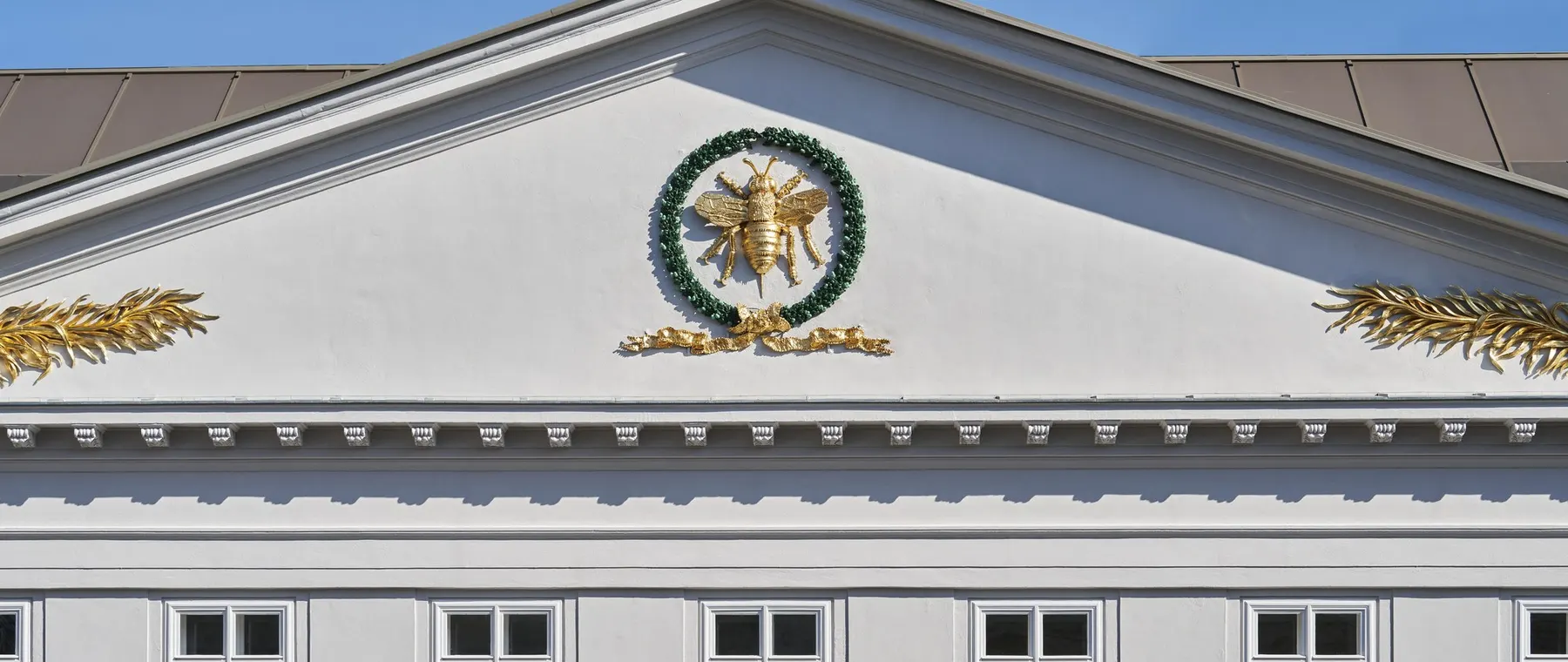
Rosewood Vienna's Petersplatz setting is well suited to visitors who want to move through the Austrian capital on foot rather than use every day as a transfer between landmarks. The restored historic façade introduces a sense of continuity with the surrounding Old Town, while the interiors interpret that character for contemporary stays. The result is a city hotel designed to feel more personal than institutional.
A central address is particularly useful in Vienna because the pleasure lies as much in the streets between attractions as in the attractions themselves. A morning might begin with a quiet coffee, continue through a museum and end at an intimate performance. Building generous gaps into the programme lets the city reveal its character without making the day feel overmanaged.
The hotel describes Viennese craft details in its interiors, including local textiles and decorative work. These are best experienced as part of a larger design conversation rather than as isolated prestige names. Guests with an interest in interiors can use the stay to observe how a historic building accommodates the expectations of contemporary high-end hospitality.
For yacht travellers, Vienna makes an appealing landward interruption to a European season, particularly when an Adriatic or Mediterranean itinerary is already bringing them through the region. It should still be planned as a separate city stay with appropriate air or rail arrangements. The capital's principal cultural experiences are not simply an extension of marina life.
Music, museums and the city outside
Vienna's musical heritage is an obvious reason to visit, but the choice of performance should be personal rather than driven by the most famous venue on a list. Programmes and casts change, and premium seats can require considerable advance booking. A hotel concierge can help with arrangements, while the performance organiser remains the authoritative source for availability.
The same selective approach works for art. The Albertina, major imperial collections and smaller galleries offer quite different experiences, so travellers should decide whether they want a focused exhibition, an overview or a private conversation with a specialist. Trying to do every institution in one day risks turning a cultural city into a hurried circuit.
A useful luxury itinerary may alternate between one substantial appointment and one unstructured stretch of time. A walk through the historical centre, a stop in a café and an afternoon return to the suite can be more restorative than continuous activity. Vienna rewards repeat encounters with familiar streets as the light and atmosphere change.
Visitors with a specific interest in design or contemporary collecting should arrange introductions through reputable specialists rather than assume access can be improvised. That includes appointments beyond standard public opening hours. Rosewood Vienna's central position helps with logistics, but the quality of a private cultural programme ultimately rests on the care taken in arranging it.
Dining above the rooftops
Rosewood Vienna's rooftop dining and bar spaces add a different perspective to the tightly woven Old Town below. Neue Hoheit and the hotel's other dining offerings give guests an opportunity to remain close to their room while still experiencing the city as a social setting. Rooftop views can be especially memorable when the roofs and church towers catch the evening light.
Food is an important part of understanding Austrian identity, and the property presents regional traditions in contemporary form. An enjoyable stay need not alternate exclusively between elaborate tasting menus. Simple local dishes, careful wines and time spent observing a dining room's rhythm can be just as revealing of place.
Tables with a particular outlook, seasonal menus and opening arrangements should always be confirmed directly. A rooftop restaurant can change character markedly with the weather, while a courtyard or indoor room may be more comfortable outside summer. Choosing the right setting for the occasion is often more useful than requesting the most prominent table.
A private dinner can also provide a natural pause between daytime sightseeing and an evening concert. Travellers should allow enough time to arrive at the performance without a rushed transfer. In a compact capital, attention to small logistical details is what makes an ambitious cultural programme feel effortless.
Suites and the luxury of slowing down
The hotel's named house-style accommodation offers an unusually residential proposition, with some suites emphasising separation from ordinary hotel circulation. Guests should assess the actual layouts and access arrangements rather than choose solely by a romantic title. A discreet entrance, separate sitting room or suitable work area may be more important than maximum floor space.
Families travelling together may benefit from an arrangement that allows both shared time and privacy. The property should confirm which suites can be paired and what practical amenities are available, particularly for children or guests with mobility needs. Historic buildings can contain architectural differences that make a floor plan essential.
A longer stay gives visitors time to use Vienna as a base for the surrounding region, but the most rewarding days may still be the ones spent entirely within the city. Leaving a free morning or afternoon is not wasted time; it creates the possibility of following an unexpected recommendation or returning to a favourite place.
Rosewood Vienna makes its strongest case as a thoughtfully located residence for the duration of a cultural visit. Its design and rooftop life are attractive, but its deeper appeal is the ability to experience Vienna without continually packing, transferring or rushing. For travellers accustomed to the private rhythm of a yacht, that is a persuasive kind of urban luxury.