A city hotel with an unusually strong sense of place
Rosewood São Paulo occupies a distinctive position in the Brazilian city because it forms part of the Cidade Matarazzo redevelopment rather than standing apart as an anonymous luxury tower. The setting brings a historic urban site into conversation with contemporary art, hospitality and modern residential expectations. For a traveller arriving after a coastal voyage, that creates a change of atmosphere without abandoning the pleasures of thoughtful design.
São Paulo does not have the instant postcard simplicity of a beach destination, and that is precisely what makes a hotel rooted in the city's cultural identity appealing. The experience is about galleries, dining, architecture and the layers of a vast metropolis. A well-planned stay leaves space for those discoveries instead of treating the hotel merely as somewhere to sleep between appointments.
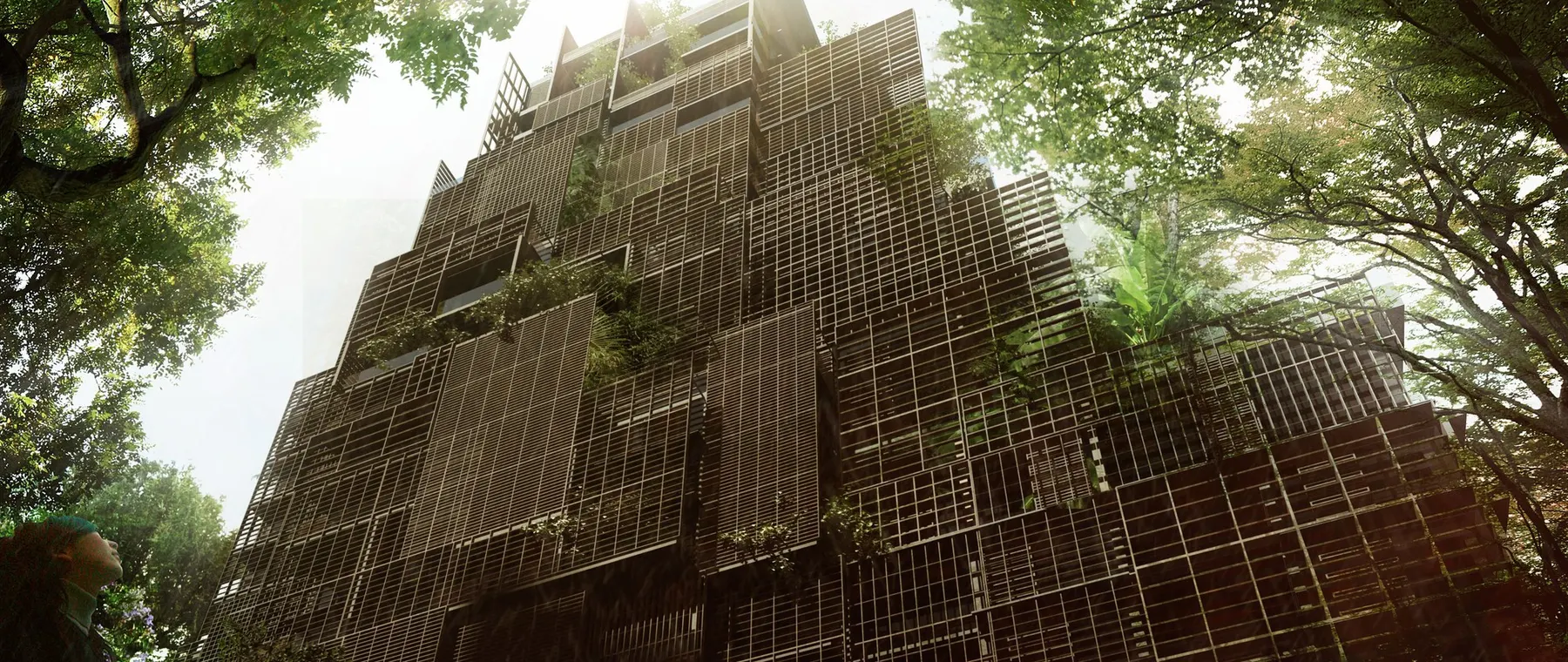
The restoration and contemporary architectural additions help distinguish the development from a traditional five-star property. The point is not only to surround visitors with expensive finishes, but to provide a setting whose materials and public areas encourage attention. Guests interested in collecting, design or architecture may find the building itself worth studying before heading into the city.
For owners and charter guests, São Paulo is more naturally approached as an inland extension to a Brazilian itinerary than as a yacht stop. Any transfer from a marina, coastal airport or private flight requires separate planning, particularly in a city where traffic patterns can change the practical shape of a day. The reward is access to a different side of Brazilian luxury.
Art that belongs to the experience
The cultural ambition of Cidade Matarazzo gives Rosewood São Paulo a distinctive editorial character. The property connects hospitality with the work of artists and designers in a way that invites guests to notice the spaces they pass through. A short stay can therefore feel more layered than one focused only on the bedroom and its facilities.
Rather than rushing to catalogue every artwork, visitors may gain more by moving slowly through the building and considering how the old and new architectural elements interact. Daylight, scale and texture all change the way a work is perceived. The hotel offers an especially interesting setting for travellers who enjoy learning the background of a place.
A private itinerary could pair the hotel with carefully chosen galleries, museums or appointments with local creative studios. Such meetings should be arranged through qualified contacts, with any private access confirmed in advance. São Paulo's contemporary art world deserves independent attention, and a hotel stay is best viewed as a starting point for exploring it.
The same principle applies to dining and shopping beyond the property. A small number of thoughtfully selected addresses will usually make a more satisfying visit than attempting to cover an enormous city in a single afternoon. Guests who have spent weeks aboard a yacht may welcome the freedom to rediscover an urban pace.
Choosing rooms for a longer stay
At the level of luxury travel represented here, privacy and practicality matter as much as decoration. Travellers should compare suite arrangements for separate work and living areas, natural light, storage and the ability to entertain quietly if a longer stay is planned. The most atmospheric room is not automatically the most convenient for every party.
Families and groups arriving together need to think carefully about room proximity and circulation. A request for connecting accommodation or rooms on the same floor should be made directly with the property and confirmed against the actual inventory. Large design hotels can contain notably different room types, even when they share a consistent visual language.
The hotel's residential sensibility may be most evident during unhurried days, when there is time to spend within the building rather than depart immediately after breakfast. Leisure time between appointments allows the public spaces, gardens and design details to become part of the visit. That is often where a destination hotel earns its place in a sophisticated itinerary.
A hotel such as Rosewood São Paulo also makes a useful contrast to cruising life, where storage and movement are shaped by the vessel. On land, the luxury is the ability to spread out, remain in one place and explore a neighbourhood repeatedly. A traveller choosing between a short weekend and a longer stop should account for that difference.
How to fit São Paulo into a yacht-led journey
Brazilian yacht itineraries can cover substantial distances, and São Paulo should be treated as a separate destination rather than an impulsive day trip from any coastal anchorage. Flight arrangements, luggage, road transfers and the timing of cultural visits need coordination. A captain's passage plan and a hotel concierge's urban expertise serve complementary but different purposes.
The property's appeal extends beyond leisure guests to people combining business, collecting and travel. A meeting schedule can be softened by time for an architectural walk or an extended meal, while companions explore independently. For a mixed-interest party, flexibility is a genuine luxury that requires careful planning.
Weather, city events and exhibition calendars can affect the value of specific activities, so dates should be verified before fixing a journey around them. Travellers should also confirm hotel facilities and dining reservations directly, as programmes change. The aim is a reliable, relaxed experience rather than a checklist assembled from attractive photographs.
Rosewood São Paulo is compelling because it gives luxury travellers a reason to stop and examine the city on its own terms. Its architectural character and cultural setting offer something that cannot be replicated by adding another night at a generic international hotel. For a yacht owner looking beyond the coastline, that difference is the real attraction.