A hotel that belongs to the city's story
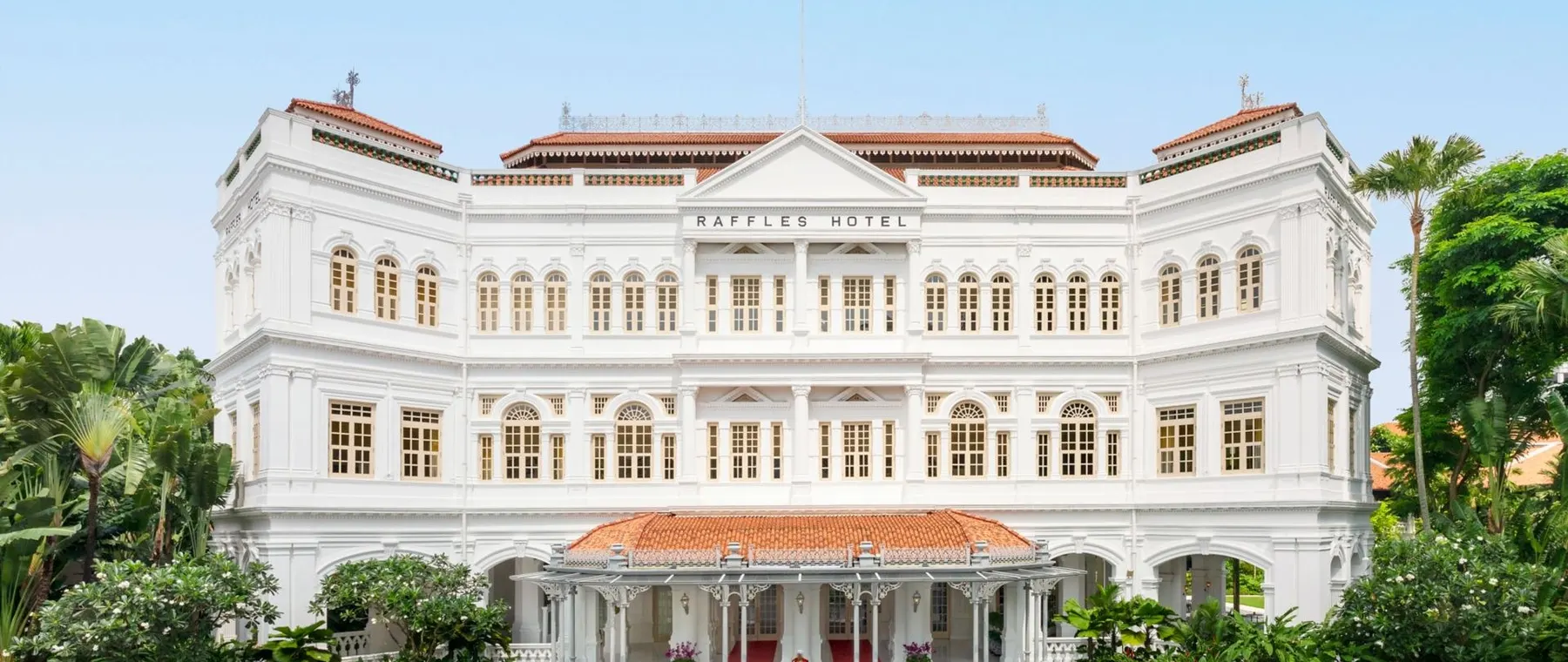
Raffles Singapore is more than a familiar name on a luxury travel itinerary. The hotel occupies an important place in the city’s hospitality history, and its historic architecture gives the experience a distinctive scale and mood. Guests step away from the towers and traffic into a more measured setting of arcades, courtyards and carefully maintained rooms.
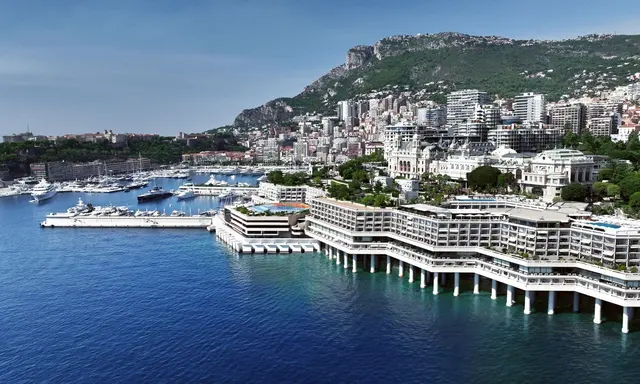
The contrast with a contemporary waterfront hotel is part of the appeal. Where a new property may prize uninterrupted glass and a panoramic skyline, Raffles offers the pleasures of proportion, detail and an urban garden atmosphere. A traveller accustomed to the open sea can find that architectural enclosure unexpectedly restful after a busy travel day.
Singapore makes a natural logistical stop for passengers moving around Southeast Asia, but the hotel deserves to be treated as a destination in itself. A single hurried night is unlikely to reveal much of its character. Building a little time into the route makes it possible to experience the city and still enjoy the property at an unforced pace.
For those arriving from a yacht, the transfer from marina to hotel and any immigration formalities are separate matters that should be coordinated in advance. An attractive hotel address does not simplify port procedures by itself. Once those details are handled, the transition from an onboard routine to an old-city suite can be especially satisfying.
The private ritual of a suite
Raffles' suite-based character provides a different proposition from standard high-rise accommodation. Its rooms are associated with an older tradition of residential comfort, where space to sit, read and receive visitors matters as much as a beautifully made bed. The result can feel well suited to guests who prefer to spend meaningful time in their accommodation.
The best suite is not necessarily the one with the grandest designation. Travellers should compare access to courtyards, internal layout, privacy from public areas and proximity to the facilities they intend to use. Architectural hotels often contain varied configurations, so confirming a current floor plan is preferable to relying on a category description alone.
A private itinerary may include work calls, family meals or a small gathering before the next voyage. Separate living areas can be valuable, but any entertaining arrangements should be discussed with the hotel. The goal is to preserve a quiet personal setting while respecting the property's service practices and other guests.
It is also worth leaving part of the day unscheduled simply to enjoy the room and the grounds. Between long flights and changing time zones, guests often discover that the most luxurious hour is the one without a reservation. A heritage hotel creates a suitable atmosphere for that sort of deliberate pause.
Classic rituals without a checklist
The hotel is closely associated with established Singapore hospitality rituals, including a celebrated bar culture and its connection with the Singapore Sling. Visitors may enjoy those references, but the experience need not become a race to reproduce famous photographs. A leisurely drink or dinner can be more memorable when it is approached as an occasion rather than an obligation.
Singapore's dining scene is broad enough to reward both formal and informal choices. Guests should consider balancing a restaurant at the hotel with neighbourhood food discoveries made through trusted local recommendations. A luxury stay can be enriched by contrast, provided the practical details are planned with the same care as a fine-dining booking.
The tropical climate shapes how comfortable an outdoor courtyard or walking tour will feel at different times. A morning city exploration followed by an afternoon indoors may be more sensible than an unbroken day outside. Weather-aware planning also helps families and older guests enjoy the city without unnecessary fatigue.
Historic architecture is not a reason to assume every part of the building has the same accessibility or route. Travellers with particular requirements should ask for a detailed explanation of steps, lifts and room location. The hotel's team can then help match a suitable accommodation choice to the actual needs of the party.
Singapore between the yacht and the world
The city is a useful connecting point because international aviation, business and regional travel meet here, but each onward route requires a realistic time allowance. Yacht passengers should not assume ship movements and commercial flight schedules can always align precisely. Sea conditions, clearance and the captain's operational plan may affect departure.
Those extending a cruise ashore can use a hotel stay to reset luggage, attend meetings or explore cultural venues before rejoining the vessel elsewhere. A carefully planned two- or three-night stop may therefore add disproportionately to the enjoyment of a longer journey. It gives members of the group independent choices away from the shared yacht schedule.
The city's museums, gardens and distinctive neighbourhoods invite a more thoughtful visit than a simple shopping excursion. Visitors should select activities according to their interests and verify opening times directly. The purpose is to experience Singapore beyond its global reputation for efficient infrastructure and spectacular urban architecture.
Raffles Singapore remains compelling because its sense of heritage is tangible rather than purely decorative. It offers a different tempo to the city around it and a well-defined sense of occasion. For a guest travelling through Asia by sea and air, that atmosphere can be the ideal bridge between two very different experiences.