Park Hyatt plans a riverfront hotel for Queensland
Hyatt Hotels Corporation has agreed to develop its first Park Hyatt hotel in Queensland in collaboration with Brisbane-based developer Shayher Group. The announcement, issued on 18 November 2026, identifies 309 North Quay on the Brisbane River as the address of the proposed property, with opening projected for 2031. The development comes ahead of Brisbane's hosting of the 2032 Olympic and Paralympic Games, when the city will attract an international audience.
The proposed hotel will be located on the upper levels of one of two towers in a mixed-use development containing private residences and retail accommodation. Hyatt plans 201 guest rooms and suites and a further 50 serviced apartments, a combination intended to accommodate conventional hotel stays and longer periods of residence.
This is an announcement of the project, not an invitation to book a completed hotel. Its significance for luxury travel lies in the proposed relationship between a major city, its river and a form of accommodation that can cater to very different lengths of visit.
North Quay and the changing relationship with the river
The proposed address is at the western edge of Brisbane's central business district, near the William Jolly Bridge. The setting is important because the river is a defining aspect of the geography of Brisbane. Buildings located along its banks can offer a different visual relationship with the city from those situated deeper within the commercial district.
Hyatt says that every guest room and suite in the new hotel will have a view of the river and city skyline. The location on the upper levels of a tower is consistent with that ambition, although the precise aspect, window design and room dimensions have not been announced.
For an architect working with a waterfront building, the relationship between the interior and the view may be almost as important as an individual finish. The position of a guest's eye while seated, the arrangement of furniture and the height of the window opening can influence how much of the landscape becomes part of the experience of the room.
For the future visitor, however, the view alone will not determine the convenience of the location. The river separates different areas of the city, and the route between a hotel and a destination need not be as direct as the distance appears on a map. The development's entrances, pedestrian access and relationship to existing transport infrastructure will deserve attention as the project progresses.
Accommodation for different periods of residence
The distinction between the 201 planned hotel rooms and suites and the 50 serviced apartments is one of the most interesting elements of the announcement. Conventional hotel accommodation can be particularly suitable for someone staying in a city for a small number of days. An apartment may offer a different approach to the arrangement of a longer visit.
A guest attending a series of business meetings or cultural events over several weeks might value facilities that allow greater independence in everyday activities. Someone visiting family may prefer an accommodation layout with a distinct living area. A person travelling for a short engagement might place a higher priority on the availability of hotel services and the ease of arriving or departing.
The November announcement does not provide the floor areas or individual room layouts, nor does it give a complete list of services associated with the apartments. Such details will be important in assessing the proposed property. The distinction between a hotel room and a serviced apartment can affect the way the occupants organise meals, laundry and their daily activities, but those services should be verified against the final specification.
For owners who spend substantial periods aboard yachts or at several different residences, an extended-stay option in an urban destination may prove useful. Its benefits will depend on the actual circumstances of the journey and the contractual arrangements for the accommodation.
A hotel within a mixed-use tower
The decision to combine hospitality, private homes and retail accommodation within a development involves a different set of architectural questions from those associated with a freestanding resort. Each component has its own requirements for circulation, access and services, while the design must establish a relationship between the activities taking place across the site.
The arrangement of arrival areas can be especially important to the hotel experience. A guest may encounter the retail environment, a dedicated hotel entrance or shared circulation areas depending on the final plans. The way those elements are organised can influence the character of the journey from the street to the private room.
Vertical movement is another important aspect of a high-rise property. The ease with which guests reach their rooms or the shared hotel facilities depends on the overall arrangement of the building and the operational systems supporting it. Those questions are distinct from the appearance of a tower in an architectural image.
Hyatt has not announced a complete architectural specification for its Brisbane property, including the design of its restaurants, leisure areas or event facilities. It would therefore be premature to attribute particular amenities to the hotel simply because they are available at another Park Hyatt property.
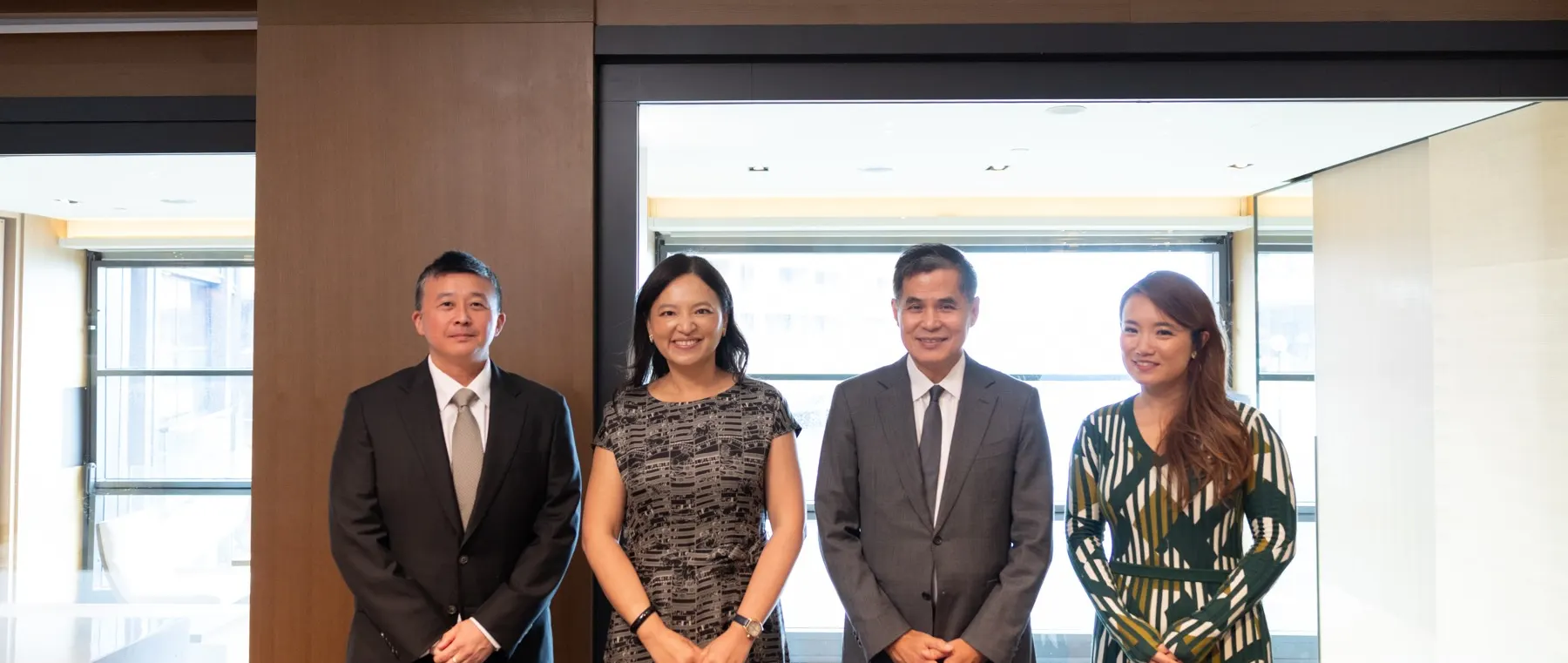
The official photograph accompanying the November release relates to the announcement of the development partnership. It does not depict a completed guest room, finished building or view from the future hotel.
Reporting by Brisbane Development on 18 November independently places the hotel within a wider approved scheme of 56- and 51-storey towers with more than 1,100 apartments. Those details concern the wider development, not the final hotel specification.
A base for the cultural life of Brisbane
Hyatt highlights several existing attractions accessible from the proposed address, including the Gallery of Modern Art, Queensland Cultural Centre, City Botanic Gardens and Suncorp Stadium. They represent different ways in which a visitor may spend time in the city.
The cultural institutions on the South Bank can form the basis of a visit organised around architecture, exhibitions and performance. A guest interested in the region's history can investigate the development of its institutions and the different ways in which the river has influenced the city.
The gardens provide a different environment from that of the built-up business district. A visitor who enjoys alternating cultural engagements with time outdoors may find that the relationship between those places is an important part of the travel experience.
A journey devoted to sport or another major event will introduce separate considerations. The stadium's proximity is relevant to the project, but the actual arrangements for attending a particular event depend on ticketing, transport and the operating conditions at the time of the visit.
Brisbane in the years before 2032
The proposed opening in 2031 places the project within the period preceding the city's hosting of the Olympic and Paralympic Games. For the hotel operator, that timing is relevant to the anticipated international attention surrounding Brisbane, but an individual construction project remains subject to the uncertainties associated with development and completion.
Hyatt identifies the Brisbane hotel as a prospective fifth Park Hyatt property in the Pacific region, following its hotels in Sydney, Melbourne, Canberra and Auckland. These are separate destinations, and a traveller considering a journey to Australia should make a choice according to the experiences and locations relevant to the intended itinerary.
For yacht owners exploring Queensland, Brisbane may be considered as one component of a longer regional visit. Its riverside accommodation should not be confused with a private coastal resort or marina property. The company's announcement does not identify dedicated yacht berths, tender facilities or a hotel-managed charter service. Yacht arrangements need to be established independently.
Following the development
The next meaningful milestones will include the progress of the 309 North Quay development, the publication of detailed hotel plans and the opening of reservations. Hyatt's stated opening year is a projection rather than a guaranteed completion date.
The announcement is nevertheless noteworthy because it identifies a particular waterfront address, a substantial accommodation programme and an intention to provide a residential-style hotel experience within the heart of Brisbane. For luxury travellers, the eventual interest of the property will depend on how successfully those elements are translated into the architecture, service organisation and everyday experience of staying there.
Sources and lead image
Source documentation: https://newsroom.hyatt.com/Park_Hyatt_Brisbane_to_Make_Its_Queensland_Debut_on_the_Riverfront, https://brisbanedevelopment.com.au/park-hyatt-brisbane-309-north-quay-shayher-group/?amp=1. Lead image: Official Hyatt press photograph accompanying the Park Hyatt Brisbane announcement — Hyatt Hotels Corporation, subject-specific photo supplied with the official newsroom release and linked press media file for editorial coverage.. Official issuer-supplied press photograph, reproduced for editorial coverage of the specific announcement and resized for web display.