A Vietnamese hotel recognised in its own right
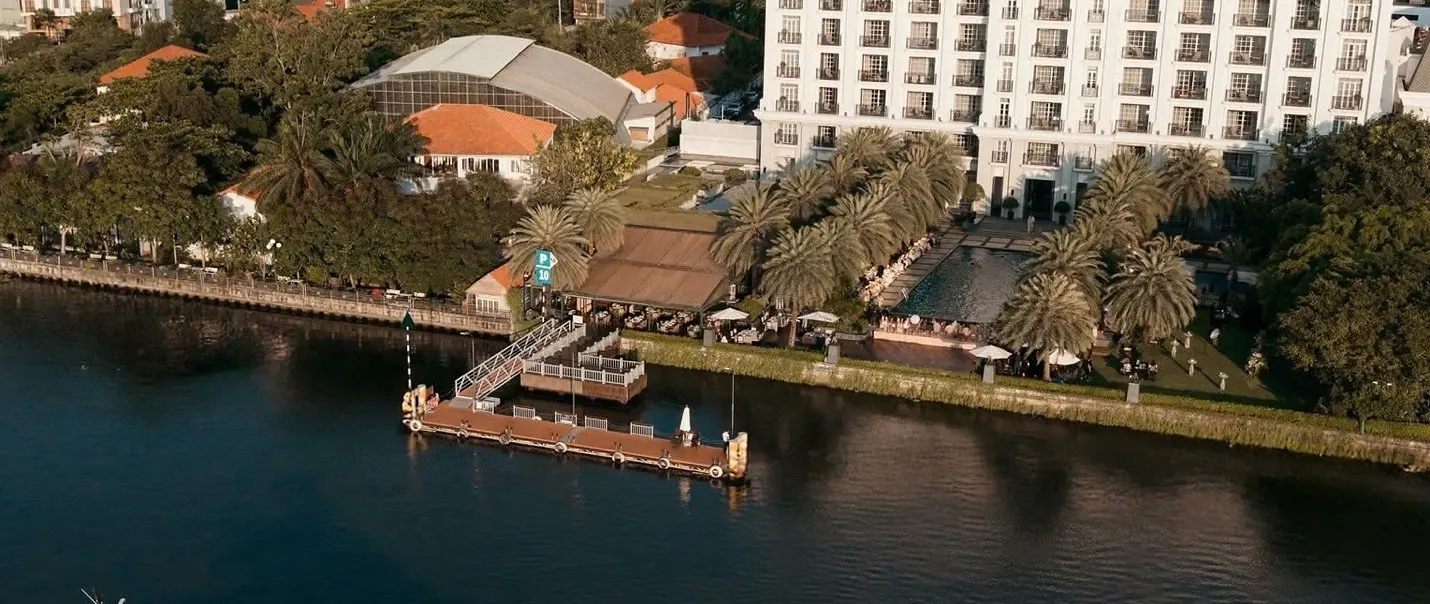
On 28 October 2026, Mia Saigon announced that the hotel had received one Michelin Key in the 2026 Michelin Guide hotel selection. The riverside property is part of Mia Luxury Collection, an independently developed Vietnamese hospitality group. Its announcement emphasises the significance of recognition for a business owned and operated by Vietnamese people within a sector that includes many internationally managed properties. For luxury yacht owners planning journeys across Southeast Asia, the importance of the news need not be measured solely through a rating. The hotel's relationship to the Saigon River, its interest in the city's decorative heritage and its collection of Vietnamese art offer more specific reasons to examine what the property represents. There is also a natural distinction between spending time aboard a privately operated vessel and experiencing the environment of a city from the water. The property offers a shore-based example of how architecture and hospitality can draw on their surroundings while remaining accessible to international visitors.
Understanding the distinction of a Michelin Key
The Michelin Key is concerned with the experience of staying at a hotel rather than the cuisine of a particular restaurant. In its statement, Mia Saigon explains that Michelin's hotel assessment considers architectural and interior design, the quality and consistency of service, the individual character of the property, the relationship between experience and price, and the hotel's connection with its setting. The award should not be confused with a Michelin Star, nor does it establish that every associated restaurant has independently received such recognition. The distinction is relevant to yacht guests who may have become accustomed to using familiar brands or restaurant awards as a starting point for planning shore accommodation. A hotel may succeed for reasons that extend well beyond the number of amenities available, including attention to the local environment, a coherent approach to service and the experience of being there. According to Mia Saigon, only three hotels in Ho Chi Minh City held a Key in this selection, with twenty-one recognised across Vietnam.
An arrival shaped by the river
One of the more distinctive details in the hotel's account is the option to reach it by a shuttle boat on the Saigon River. For a guest whose interest in luxury travel begins on the water, this can introduce a city through an entirely different perspective from a conventional road arrival. Buildings, gardens, transport and activity along the banks can form part of the approach rather than appearing only as a view from the room. It is important to distinguish this advertised transfer from a berthing service for visiting private yachts. The release establishes the availability of the hotel's own shuttle but does not confirm permitted private vessel access, navigational conditions or facilities for mooring. Any independently operated craft would require the appropriate clearances and arrangements. Guests should confirm the shuttle's current departure points, timings, luggage capacity and conditions with the property before choosing it instead of a road transfer. This is particularly important if the hotel stay is intended to connect with international flights or a separate maritime itinerary.
Gemstone colours and a coherent decorative language
Mia Saigon describes its fifty-three rooms and suites as drawing on Indochine design and the city's Art Deco inheritance. The hotel uses four gemstone-inspired palettes based on citrine, ruby, sapphire and emerald, and accommodation includes balconies overlooking the river or gardens. Such a programme provides an opportunity to vary the identity of individual rooms while retaining a consistent language throughout the building. Colour can assist with orientation and distinguish spaces, but its influence depends on light, materials and proportion rather than the name of a precious stone. An owner contemplating changes to a yacht interior might take inspiration from the principle rather than reproduce the hotel's decorative scheme. On a boat, colour choices must work with changing daylight and the practical need to care for finishes exposed to a marine environment. A distinctive cabin should remain restful and easy to maintain. The hotel's emphasis on a balcony also highlights the importance of a usable connection between an interior and the landscape, a consideration especially familiar to yacht designers.
Vietnamese art as an integral part of hospitality
According to the hotel, paintings by artists including Bùi Xuân Phái and Đỗ Xuân Doãn are represented alongside Chu Đậu pottery and older ceramics. Some objects are described as approximately two thousand years old. These dates and attributions are those supplied by the hotel; they have not been independently examined by this publication. The notable feature of the collection is that art appears throughout the property rather than being restricted to a single display room. The presence of different types of objects encourages the visitor to consider the history of the place through materials, images and everyday experience. A guided tour of the collection, offered by the hotel, may provide an introduction for guests interested in Vietnamese art who have not previously visited the country. Understanding the context of an object is often more rewarding than treating it as decoration or assigning a value on the basis of age alone. Anyone interested in acquiring comparable works should use reputable specialists and undertake independent provenance and export checks.
Everyday objects and the history of a city
The hotel's guest floors also contain collections of twentieth-century Vietnamese material, including book covers, postage stamps, illustrated matchboxes, magazines and paintings intended for propaganda posters but reportedly never printed. These objects differ significantly from the paintings and ceramics traditionally associated with an art collection. Their subject matter can help communicate the visual culture of a period through things that once formed part of ordinary life. Such material often reveals changes in typography, advertising, political imagery and manufacturing techniques, but interpreting it responsibly requires historical context. A hotel tour should be understood as an introduction, not a comprehensive account of Vietnam's history. Guests who are interested can devote additional time to appropriate museums, galleries or specialist guides. For owners who collect art for a yacht or a residence, it is also worth considering how smaller objects may contribute to a display. A carefully organised group of works related by place or subject can carry considerable personal meaning without relying on an accumulation of large canvases or expensive individual pieces.
Dining and a quieter waterfront stay
The property's hospitality programme includes The Living Room, associated with afternoon tea, Kitchen by the River, which serves Vietnamese and international cuisine, and The Muse, offering drinks and small dishes. The hotel also describes a riverside pool, gardens and Ô Spa. These facilities can accommodate different preferences within a party visiting the city. Rather than spending every meal in a formal restaurant, guests may choose to leave time for local dining and return to the quieter riverfront setting later in the day. Food and beverage menus, availability and accessibility should be confirmed directly, particularly when an itinerary includes several transfers or excursions. The Michelin recognition is not a guarantee of a particular treatment outcome or the availability of a particular dish. It is also possible to appreciate the cultural character of the hotel without using all its facilities. One of the advantages of a smaller property is potentially the ability to develop a more individual relationship with the service team over the course of a stay, although the actual experience naturally varies between guests.
A shore-based extension with its own identity
Mia Saigon's announcement is of particular interest because the property is described through the culture and physical setting of Ho Chi Minh City as much as through its luxury credentials. The river, the art collection and the hotel's locally led operation are important parts of that account. Visitors arriving as part of a wider Southeast Asian journey should allow enough time to understand the city independently of their hotel and to establish the practical arrangements for moving between destinations. Luxury Yacht Guide has not stayed at the property or assessed the Michelin inspectors' findings independently. Its assessment here concerns the hospitality proposition presented in the hotel's announcement and the relevance of its individual features to guests accustomed to personalised travel. A Michelin Key provides one reason to investigate a hotel further; the more enduring reason to choose a particular property is the character of the experience it can offer. In this case, the association between the city and its river gives that choice a distinctive starting point.
Sources and lead image
Source documentation: https://www.prnewswire.com/news-releases/mia-saigon-awarded-one-michelin-key-as-vietnamese-run-hospitality-joins-the-global-stage-302922129.html. Lead image: Mia Saigon and its setting on the Saigon River — Mia Saigon / PR Newswire. Official issuer-supplied press photograph, reproduced for editorial coverage of the specific announcement and resized for web display.