An island to approach slowly
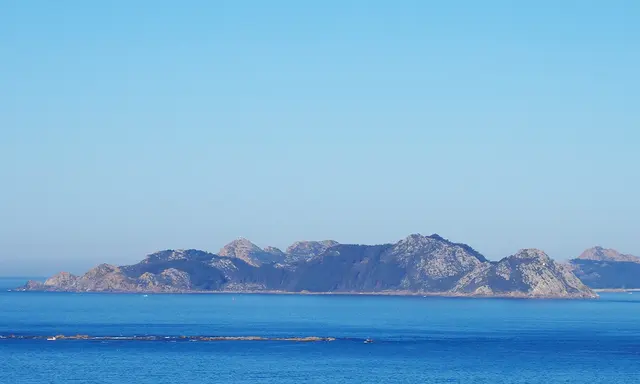
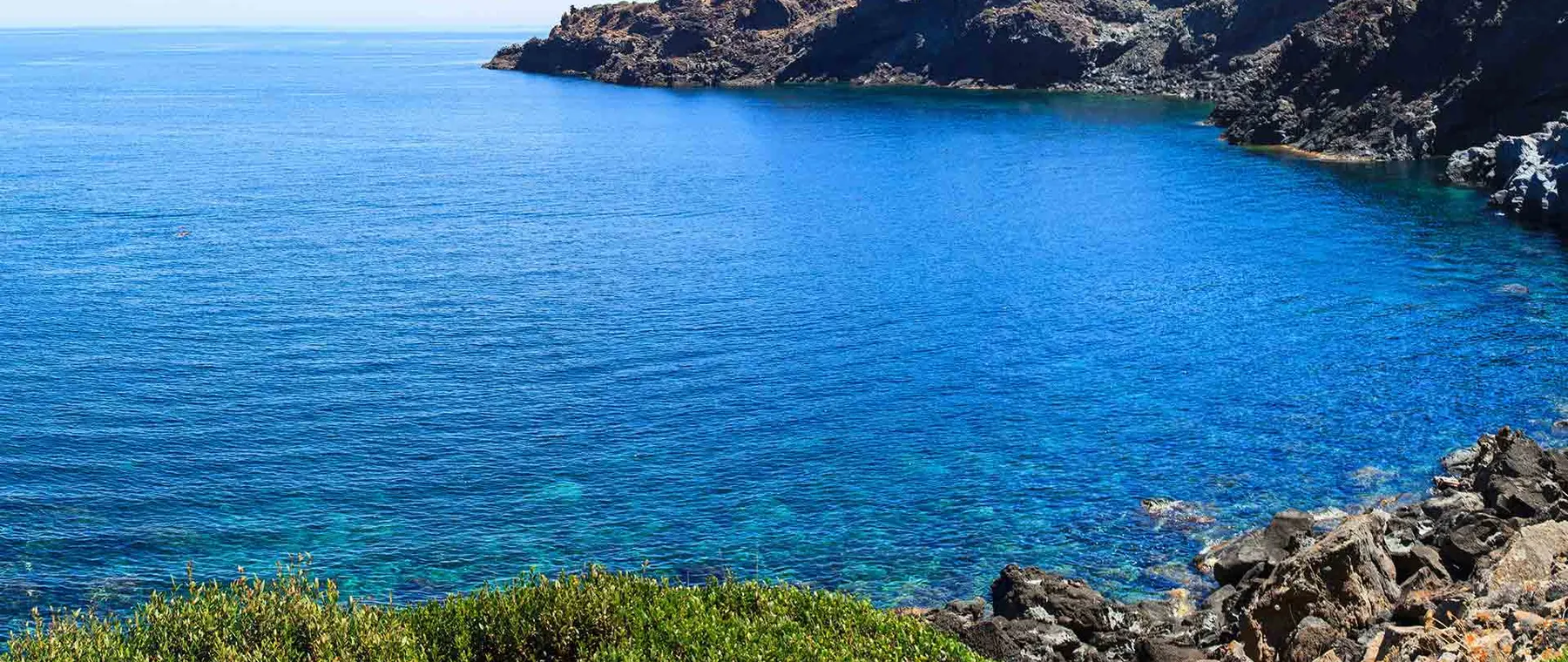
Pantelleria occupies a striking position in the Mediterranean south-west of Sicily, where dark volcanic rock takes the place of the pale sandy coves many visitors associate with an Italian island holiday. For yacht travellers it offers a different proposition: elemental coastlines, intimate land accommodation, distinctive local wines and long views over a sea that can change mood quickly. The attraction is precisely that it does not feel like a conventional marina-to-beach-club itinerary.
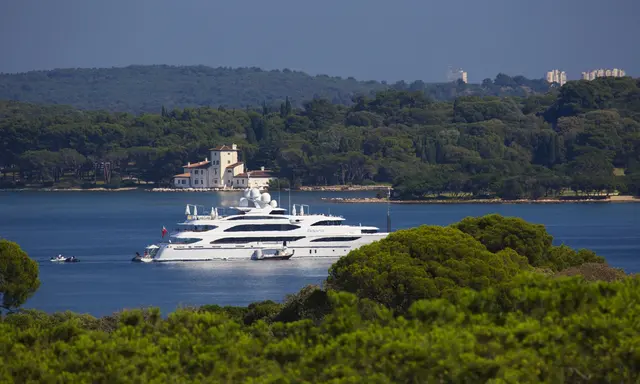
A well-planned visit begins with the realities of the passage. Pantelleria is an open-water destination, and a beautiful photograph of a sheltered inlet is not a promise of a safe berth in a different wind direction. The master should assess updated forecasts, charted depths, local restrictions and suitable alternatives before the vessel commits to a particular overnight plan. A tender excursion should never be treated as a substitute for an approved anchoring or harbour decision.
Travellers without their own yacht can still reach the island through established transport connections and enjoy much the same shore programme. Those arriving by sea may prefer to regard Pantelleria as a destination in its own right rather than a hurried stop between more familiar ports. Allowing two or three nights ashore, subject to weather and berth arrangements, creates space for the island's character to reveal itself.
Volcanic coastline, blue water and the Elephant Arch
Visit Sicily singles out the Arco dell'Elefante, a dramatic outcrop of lava stone whose shape suggests an elephant dipping its trunk into the water. The formation has become one of Pantelleria's best-known landmarks, yet the best way to encounter it is with an appreciation of the surrounding coastline rather than an expectation that every photogenic cove is suitable for landing. A guided circuit by locally operated boat can help visitors understand the geography without taking unnecessary tender risks.
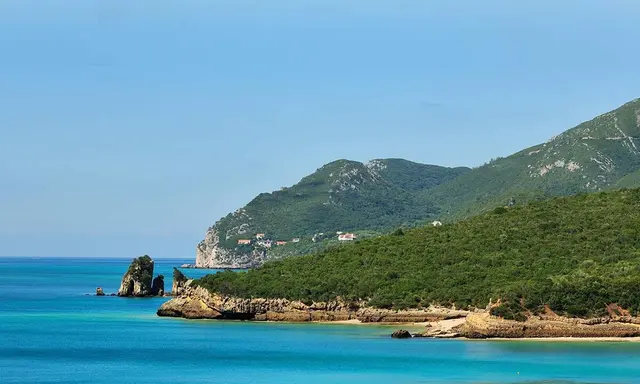
The island's rocky shore is part of its appeal. Swimming locations tend to be found where natural platforms, steps or sheltered access points make entering the water practical, rather than along endless stretches of sand. Footwear suitable for uneven volcanic rock is sensible, and visitors should ask local guides about the day's sea conditions. A clear, calm day at one point on the coast may coincide with uncomfortable swell elsewhere.
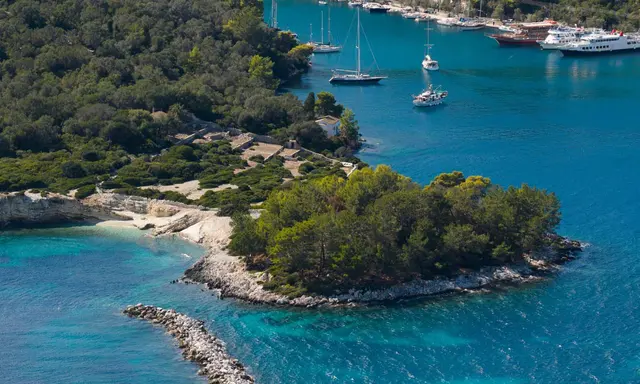
For yacht guests accustomed to busy summer anchorages, Pantelleria can offer a more contemplative experience, but planning makes that possible. Agree how guests will embark and disembark before leaving the main vessel, especially where the shore is exposed or boarding involves a ladder. The skipper should identify a comfortable alternative if wind or swell renders the chosen swimming stop unsuitable. The most luxurious itinerary is often the one willing to change course.
Dammusi: architecture shaped by the climate
On land, one of the island's most distinctive forms of accommodation is the dammuso, a traditional stone building with thick walls and rounded roof forms adapted to local conditions. Visit Sicily identifies dammusi as an essential part of Pantelleria's landscape. They provide a compelling alternative to the standard hotel suite, especially when a carefully restored property offers private terraces and uninterrupted views across the surrounding countryside.
The appeal of a dammuso stay is not simply architectural novelty. It is the chance to experience the island's scale and materials at close range: dark stone, sheltered courtyards, low agricultural walls and the changing colour of the evening light. Travellers should distinguish an authentic restored residence from a modern property borrowing the name, and should check air conditioning, water supply, access roads and service arrangements when booking.
A yacht-based trip and a dammuso stay can complement one another beautifully. The vessel provides the freedom of the coast while the property invites a slower rhythm after a day exploring the interior. A driver familiar with narrow local roads is often more practical than trying to combine a full itinerary of winery visits, hikes and evening dining with independent navigation. Private experiences should be reserved in advance rather than assumed available at short notice.
A volcanic spa without the predictable resort
Pantelleria's volcanic origin creates another layer of interest away from the shore. Visit Sicily describes the Lago di Venere, also called the Specchio di Venere or Mirror of Venus, as a lake in the crater of an extinct volcano. It is associated with mineral-rich water and natural mud bathing, giving the island a form of wellness travel that is rooted in geology rather than a purpose-built spa complex.
Natural thermal sites require different expectations from managed spa facilities. Water temperature can vary, surfaces may be slippery and access or conservation rules may change, so visitors should follow current local guidance instead of relying on travel anecdotes. The island also has the Laghetto delle Ondine, a natural basin shaped by rock and seawater, but conditions at wave-fed pools must be assessed with particular care. No photograph can establish whether a place is safe to enter on the day.
This is where a leisurely itinerary has an advantage. One morning can be given to an unhurried visit to the lake, a different afternoon to the coast, and another to the volcanic countryside. There is no need to promise a checklist of thermal experiences on the same day. The atmosphere, the contrast between water and rock, and the opportunity to spend time outdoors are more important than an exaggerated claim of therapeutic benefit.
Zibibbo vineyards and a living UNESCO tradition
Pantelleria's agricultural heritage deserves equal attention. UNESCO inscribed the island community's traditional cultivation of the 'vite ad alberello' head-trained bush vine on its Representative List of Intangible Cultural Heritage in 2014. The recognition concerns knowledge and practice handed down among growers, not a claim that every vineyard or bottle on the island has an individual UNESCO designation. This distinction matters when interpreting promotional descriptions.
The technique is an ingenious response to difficult growing conditions. Vines are planted in hollows and trained close to the ground, with pruning and cultivation shaped by the island's dry, windy environment. UNESCO describes the practice as knowledge transmitted through families and fieldwork, and the local wine culture gives visitors a tangible way to understand it. A guided vineyard visit can put the terraces and low-growing vines in context.
Zibibbo grapes are closely identified with Pantelleria, including wines traditionally associated with their aromatic character. A private tasting need not be elaborate to be memorable; walking through a cultivated landscape with a knowledgeable host is likely to be more illuminating than a hurried stop at a retail counter. When arranging visits, check seasonal opening, accessibility and transport. Those returning to a vessel must also account for tender schedules and the responsibilities of crew on duty.
Hiking Montagna Grande and planning the return to sea
The island's interior is not merely a backdrop to the coastline. Pantelleria National Park publishes a walking route around Montagna Grande, including an eight-kilometre itinerary assessed as a hiking route with approximately three and a half hours of walking. This is a park guide's specific route description rather than a guarantee that every visitor can complete it comfortably in that time. Heat, terrain, footwear and fitness should shape the choice of excursion.
Visit Sicily also points towards the Favare, places where geothermal steam emerges from the rock, as part of the volcanic landscape. Such natural features make a guided walk rewarding, but they should be approached with respect for the terrain and any posted safety notices. For a party that includes children or guests seeking a gentler day, a shorter interpreted walk may be more successful than a strenuous route chosen only for its panoramic reputation.
An elegant three-day programme could begin with a coastal circuit and a quiet evening at a dammuso, continue with the Mirror of Venus and a winery visit, and finish with a measured walk or another sea outing if conditions allow. Yet the sea should remain the final arbiter of departure timing. A prudent skipper retains enough margin to adjust a passage, rather than fitting a tight arrival deadline around an island whose weather exposure is part of its nature.
Pantelleria rewards travellers who accept those constraints as part of the experience. Its value is not a procession of branded attractions, but the relationship between volcanic geology, architecture, agriculture and the sea. The island offers yacht guests a compelling contrast to the polished marinas of the central Mediterranean: intensely local, visually dramatic and best enjoyed without hurry.