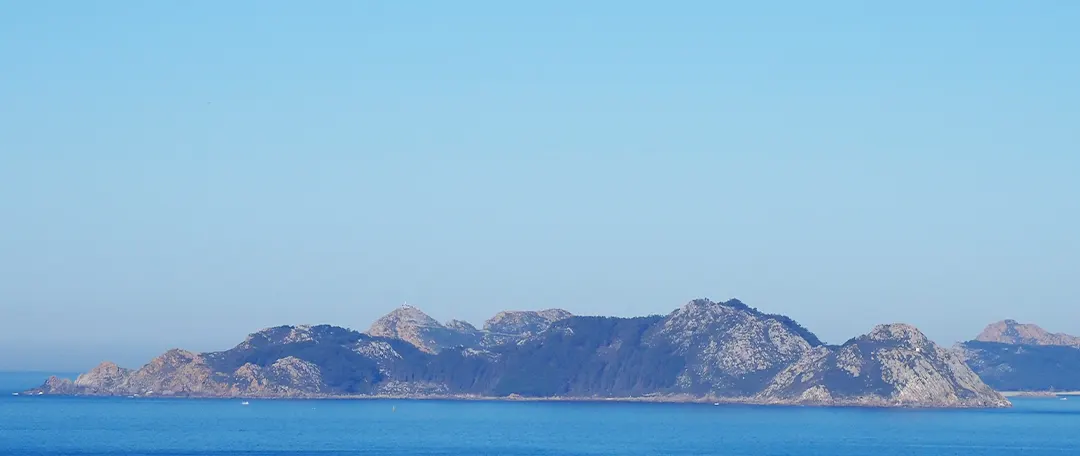
An Atlantic-island escape from Vigo
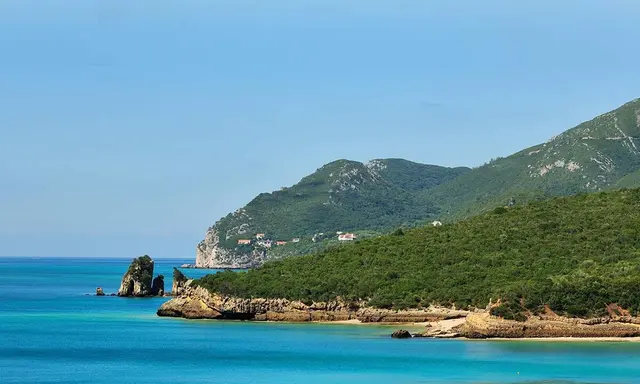
The Cíes Islands make an arresting destination for a yacht cruising Galicia's Rías Baixas. At the entrance to the Ría de Vigo, a cluster of wooded heights, pale beaches and ocean-facing cliffs gives the coast a very different character from the Mediterranean. It is a destination for guests who value an exceptional natural setting, an intelligent shore itinerary and time without commercial bustle. The islands are part of a protected national park, however, so a visit must begin with permits rather than a simple anchoring choice.
The Maritime-Terrestrial National Park of the Atlantic Islands of Galicia includes Cíes, Ons, Sálvora and Cortegada. Regional tourism authorities explain that private vessels can visit only under the appropriate authorisations and within designated areas. For a yacht owner, that changes the normal planning sequence: check the park's current rules, secure permission for navigation or anchoring as applicable, and then build the guest programme around a legitimate arrival. An attractive beach is not sufficient reason to anchor outside permitted zones.
Rodas Beach and its distinctive setting
The Cíes landscape is frequently associated with Rodas, a sweeping pale beach that connects the islands of Monteagudo and Faro. The official Galicia visitor guidance identifies it as one of the archipelago's defining natural features. Its sand has a geological story of its own: hard quartz grains survived the erosion of local granite, producing the fine light-coloured shore. This setting rewards a contemplative walk, but visitors should keep off dunes and sensitive vegetation where park rules prohibit access.
Beauty is only one part of the attraction. The beach faces a dramatic combination of sheltered water and the Atlantic beyond, creating an excellent opportunity for landscape photography from permitted viewpoints. It is not a private resort beach and its capacity is managed for conservation. Guests arriving by private boat should expect to share the environment with authorised ferry visitors, walkers and wildlife. A respectful yacht itinerary embraces that public protected status rather than promising exclusive shore access.
The permit is part of the voyage plan
The national park's own English visitor material states that authorisation is required for sailing, anchoring and diving activities. Vigo's municipal tourism office also reminds boaters that an anchoring permit is mandatory for visits to Cíes. Requirements can depend on vessel, activity and season, so the skipper or charter organiser should consult the current Xunta de Galicia and national park systems directly. A general visitor admission is not a substitute for permission to anchor a yacht.
Because the islands have daily visitor limits and controlled shore access, arrangements should be made well before the voyage. Boat operators should not assume that an available berth in Vigo guarantees permission to visit Cíes the next morning. Guests can still experience the Galician coastline from the yacht without landing if permits are unavailable, but the island visit itself must not be improvised. Clear expectations are an important part of luxury service, especially when environmental rules are the reason for a change of plan.
Walking above the Atlantic
The islands reward a shore excursion that follows established trails. Official Galician guidance highlights viewpoints including Alto do Príncipe, where paths lead towards striking views of the water and island terrain. Such walks are an opportunity to understand how the sheltered eastern shores differ from the exposed ocean-facing cliffs. Time on foot is often more memorable than the brief visual impression from a passing boat, provided the party has appropriate footwear, water and an awareness of changing weather.
The park asks visitors to stay on marked routes and avoid cliff edges and dunes, both for conservation and personal safety. An ambitious hike should be matched to the least mobile guest rather than set by the speed of the fittest member of a party. A short, unhurried circuit with time to observe birds and take photographs may be preferable to covering every viewpoint. Private guides, where properly accredited and available, can provide useful natural and cultural context.
Wildlife conservation is not optional
Cíes is a protected maritime landscape with important seabird and marine habitats. Galicia's tourism authority advises against disturbing or feeding animals, collecting shells, removing plants and approaching sensitive cliffs. The park also restricts domestic animals except assistance dogs, and visitors should verify the precise current policy before making plans. A yacht carrying pets cannot assume that those animals may accompany guests ashore. Conservation conditions shape the experience for every visitor, irrespective of the means of arrival.
Park guidance also prohibits recreational fishing in protected waters and distinguishes ordinary swimming or snorkelling from underwater activities that require permission. The management rules should be checked against the intended programme, especially when a charter has fishing gear, diving equipment, drones or personal watercraft aboard. It is better to explain these limits during the pre-cruise briefing than to disappoint guests after launching a tender. A protected island is a place to observe rather than extract souvenirs.
Vigo, Baiona and the larger Rías Baixas itinerary
The islands fit naturally into a wider Galician route. Vigo gives a yacht access to urban dining, provisioning and cultural experiences, while the coast towards Baiona offers another perspective on the estuary and its maritime history. The exact arrival and berthing choices depend on yacht dimensions, availability and weather. A captain should confirm any marina reservation and local entry arrangements independently, rather than relying on a scenic overview to establish the suitability of a particular harbour.
From shore, Galician food can become a highlight of the voyage. Regional seafood, local vegetables and wines from the Rías Baixas area provide a distinctive setting for lunch or an onboard tasting. The quality of the experience depends on sourcing and hospitality more than theatrical presentation. Guests who enjoy regional culture may prefer an evening in Vigo after a day close to the national park, leaving the next morning free for a different stretch of coast if conditions allow.
Weather and a responsible tender plan
The Atlantic exposure deserves respect. Even when the Ría de Vigo appears calm, swell and wind around the islands can affect the suitability of an anchorage or tender landing. The skipper should consult current weather forecasts, pilotage information and all local notices, and ensure that the authorised visiting area is appropriate for the vessel's draft and operating limits. No particular bay should be treated as safe merely because it looks sheltered in a brochure photograph.
Set a practical tender timetable with margin for passenger movements and a prompt return if weather deteriorates. The small group experience that guests value is often best served by arriving prepared, walking quietly and returning without lengthy delays. The protected status of the national park also makes low-noise tender operation and careful waste management particularly important. Carry everything off the island that the party brought ashore, and use the permitted visitor infrastructure appropriately.
A refined one-day programme
A successful itinerary might start with an early briefing in Vigo and a confirmed park authorisation. Once the skipper has judged conditions suitable, the yacht can proceed in accordance with the permit and official navigation guidance. Guests can then take a properly managed shore transfer, enjoy a walk towards a viewpoint and spend time near Rodas without disturbing the protected dunes. The afternoon need not contain an additional destination if the island has held everyone's attention.
If permits or weather make the island visit impractical, the Rías Baixas still offer an attractive alternative day around the coast and towns of the estuary. The yacht can become the base for a Galician food experience, a local cultural excursion or a shorter passage in more sheltered water. The real luxury is a programme that remains rewarding without pressuring the captain to take unnecessary risks or breach environmental rules. Cíes is best appreciated when its protection is treated as part of its identity.