The remarkable coast beyond Lisbon
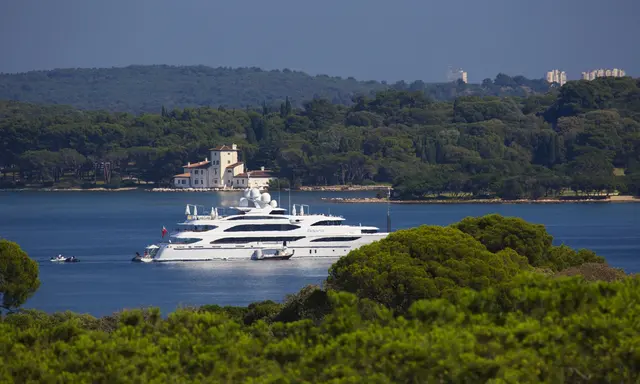
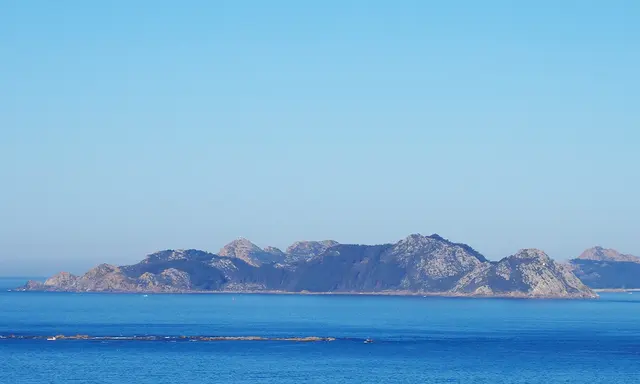
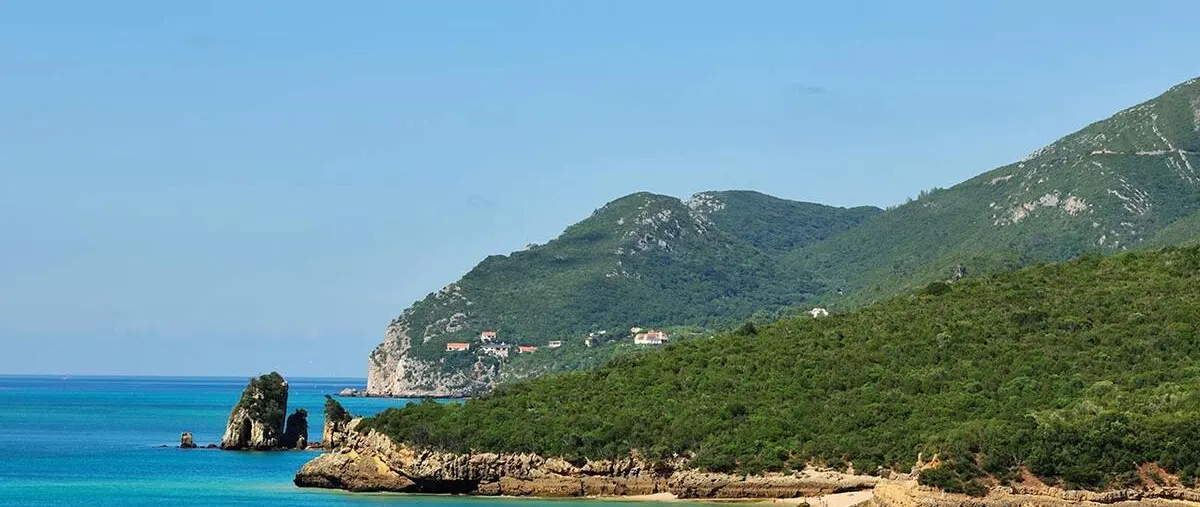
Arrábida rewards yacht travellers who take the time to look south of Lisbon rather than treating the Portuguese capital as the end of a coastal itinerary. Beyond the Tagus and the working port of Setúbal, limestone hills fall towards an extraordinary sweep of sheltered-looking coves, clear shallows and forested slopes. The contrast is part of its luxury: there is little need for theatrical spectacle when the meeting of mountains and water supplies such a strong sense of place. This is a coastline for early starts, long lunches ashore and an itinerary that leaves generous room for weather and conservation.
The landscape is protected, and that matters more than any label on a travel brochure. Arrábida Natural Park and the neighbouring Sado Estuary Nature Reserve have distinct ecological sensitivities and visitor conditions. A yacht itinerary should begin with current marine charts, port and anchoring notices, weather forecasts and relevant local authority guidance rather than an assumption that a beautiful bay is available for unrestricted anchoring. The smartest luxury here is to experience a rare coastline while leaving its seabed and wildlife undisturbed.
From Setúbal to the green hills
Setúbal provides the urban counterpoint to the natural scenery. Fish markets, small restaurants and the everyday rhythms of a Portuguese waterfront create a vivid start to a shoreside programme. Guests can move from a quiet morning at sea to a late lunch with grilled fish or choco frito, the locally prized fried cuttlefish. These are not elaborate culinary inventions created for visiting yachts; they are part of the place itself, and the best experiences tend to respect that simplicity.
On land, the Serra da Arrábida rises sharply enough to change the perspective in minutes. Viewpoints reveal the pale ribbon of beaches below, while historic buildings and wooded hills offer a different texture from the yacht deck. Visit Lisboa describes forts, convents and retreats within the area as part of its cultural landscape. An excursion should be arranged around any permitted access and trail conditions, especially where protected routes require advance booking or park-service guidance.
Galapinhos, Galapos and Portinho
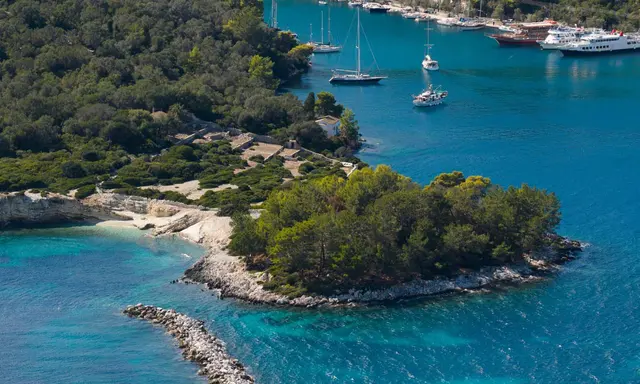
The coast between Figueirinha and Portinho da Arrábida is the photographic heart of this journey. Galapinhos and Galapos sit in the shelter of green hills, and the sea can appear almost luminous against the pale sand. Nearby Praia dos Coelhos and Creiro add further variations on the same elemental palette. Each beach has a different approach from land and water, and none should be treated as a guaranteed tender landing. Swell, local controls, bathers and nearshore hazards govern what is sensible on any particular day.
Portinho da Arrábida makes a natural focal point for an unhurried visit. The bay is celebrated by Portugal's official tourism authority for its scenery and nearby marine life, including the waters around Pedra da Anixa. That ecological value is exactly why guests should observe the scene without handling marine organisms, disturbing habitats or choosing an anchorage simply because it offers the best camera angle. A properly planned tender transfer and a discreet shore visit can provide the same reward with less impact.
The Sado Estuary and its dolphins
To the east, the River Sado broadens into an estuary with a different atmosphere: tidal water, wetlands, salt-working heritage and birds. It is not merely an extension of the beach coast but a protected habitat in its own right. Bottlenose dolphins are among its best-known inhabitants, and Portugal's official tourism information highlights them as a signature of the area. Any sighting remains a matter of chance, not an experience that can be promised to charter guests or achieved by pursuing animals.
A responsible wildlife excursion starts with distance, low speed and a willingness to leave the animals in control of the encounter. Operators familiar with local regulations and seasonal conditions can help visitors understand what can be observed without disruption. The estuary also rewards quieter attention to birds, reedbeds and shifting water colours. A binocular view from a suitably placed boat may be more satisfying than a high-speed attempt to cover every inlet in one outing.
Tróia and the shape of an easy escape
Across the Sado from Setúbal, the Tróia peninsula changes the visual language yet again. Long expanses of sand and low coastal scenery face the estuary and Atlantic approaches. It can provide a welcome contrast after the steep wooded coastline of Arrábida, particularly for guests who enjoy relaxed beach time and broad horizons. The two shores are close enough to combine in a carefully planned land-and-water programme, but tidal and weather conditions still set the terms for the yacht.
Official tourism information notes regular connections between Setúbal and Tróia, an indication that the peninsula is part of a lived-in coastal region rather than a secluded private resort. That accessibility allows a flexible itinerary: guests may go ashore for a scenic drive or a meal while the vessel makes an appropriately authorised berthing plan. For a charter party with different interests, the area lends itself to splitting the day between a cultural visit, a gentle beach outing and time aboard.
Azeitão, Palmela and the local table
The luxury of a yacht visit is often the opportunity to go further inland without constantly repacking a suitcase. Azeitão is an appealing stop for wine tasting and local food traditions, with the sweet Moscatel styles of the region giving a distinctive sense of place. Setúbal's seafood and the wines associated with Palmela can become the basis of a tasting menu aboard, provided ingredients are selected seasonally and suppliers are given reasonable notice. Such meals connect the cruise to its location far more convincingly than generic international fare.
Palmela itself introduces a historic hilltop setting and broad views across the surrounding terrain. Visit Lisboa identifies the town's castle and food scene as reasons to include it in an Arrábida excursion. The journey can be structured gently: an early viewpoint, a winery visit by arrangement, then a return to the coast as the light softens. A good concierge plan keeps transfers realistic, respects scheduled tastings and avoids the exhausting temptation to turn every interesting place into a checklist.
A coastal day built around conditions
For the master and crew, this is a destination that benefits from disciplined flexibility. Shelter visible on a map does not eliminate the effects of changing wind, swell, tide or traffic near Setúbal. Protected marine zones can also carry anchoring, access and activity restrictions that change with management measures. The passage plan should therefore identify lawful overnight options, safe tender arrangements and weather alternatives before guests become attached to a particular beach. Local professional advice remains essential, particularly for larger yachts unfamiliar with the area.
Guests can still enjoy a richly composed day without a rigid timetable. Begin with a sunrise view of the green cliffs, spend the late morning on a permitted shore excursion and return for a long meal featuring regional produce. If conditions are unfavourable offshore, shift the emphasis to the Setúbal market, a museum, or a prearranged tasting inland. An itinerary that can adapt gracefully often feels more luxurious than one that must make a specific anchorage work regardless of the circumstances.
Visiting lightly and staying longer
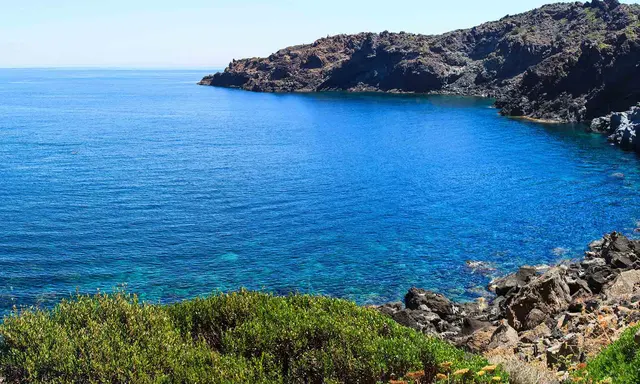
Arrábida's appeal lies in the relationship between protected nature and a working coastal community. The photograph that first attracts a visitor may show empty turquoise water, but the reality also includes fishers, local residents, conservation teams and beachgoers. Thoughtful yacht operations acknowledge all of them. Care with waste, quiet tender use, appropriate distances from wildlife and choosing local guides and restaurants all make the visit more reciprocal. Guests should never collect plants, shells or marine life from protected areas.
An additional day is worth considering because it allows this region to reveal more than its most famous coves. One day can belong to the hills and beaches, another to the estuary and Setúbal's food culture, with an optional excursion to Palmela or Azeitão. The reward is a sense of Portugal that is both refined and grounded. With official information checked in advance and the itinerary adapted to current conditions, Arrábida can become one of the most memorable pauses on a voyage along the Portuguese coast.