A different measure of what makes a journey luxurious
A holiday can involve excellent accommodation and still leave the traveller with the feeling that very little time has been spent enjoying the destination. Lengthy transfers, successive restaurant reservations and too many changes of hotel can occupy the greater part of a day that was intended to be a respite from ordinary commitments. On 18 November 2026, bespoke travel company Nellie published an announcement outlining its first annual travel forecast for 2027. Its founder Amy Norman has also set out the principal findings in an article on the company's website.
The San Francisco business reports that its clients are increasingly concerned with control over their time, privacy, shared activities and the opportunity to explore places at a comfortable pace. The company reports booking growth of nearly half compared with the preceding year. It says that its clientele consists largely of people associated with technology wealth, including founders, executives and investors. This is a commercially interested travel adviser reporting observations from its own business, not a representative survey of all affluent consumers.
Nevertheless, some of the questions raised by the forecast are relevant to a much wider readership. A family deciding how to spend its holiday budget might reasonably consider whether a more expensive room, a simpler transfer or another day in the same destination would contribute most to the experience. The answer depends on its circumstances rather than the amount it can afford to spend.
Fewer places, more time to understand them
One of the clearest themes in Norman's account is a preference for spending longer in fewer locations. Nellie says that its international journeys typically last ten to fourteen days, but that clients have increasingly chosen to reduce the number of stops rather than shorten their overall holiday. The appeal of this approach becomes apparent when the time associated with a change of accommodation is considered. Packing, checking out, travelling and settling into a different room occupy part of the day even when the transfer runs according to plan.
A couple spending two weeks in Italy, for example, might prefer to choose a coastal base and one inland destination rather than follow a route through numerous well-known cities. That leaves time to revisit a particularly enjoyable restaurant, explore a neighbourhood that was not part of the original itinerary or simply remain in one place when the weather is agreeable. The opportunity to change the day's programme becomes a quality of the holiday in its own right.
The same consideration is central to planning a yacht charter. An ambitious list of destinations may involve spending substantial periods under way rather than enjoying the places visited. A shorter itinerary can provide more freedom to respond to actual conditions and the preferences of the group. Routes should still be developed with the skipper and take account of the vessel's capabilities, weather, available berths and applicable regulations.
Nellie's examples are based on its clients' particular requirements. They do not establish a universally appropriate length for a holiday or show that shorter itineraries are always cheaper. The broader lesson is to account for the time a plan requires, not just the destinations it contains.
Family holidays that recognise individual interests
The forecast identifies multigenerational travel as another area in which the company's clients are seeking more individually organised experiences. Norman describes arrangements that have included an opportunity to learn about watchmaking in Switzerland and a meeting connected with Japanese manga. Such activities illustrate how a family's interests can help define a holiday rather than requiring every participant to follow a standard sightseeing programme.
For a family with younger and older travellers, practical differences in the way people spend the day can be just as important as their cultural interests. Some may enjoy a lengthy walk while others prefer a quiet morning in a village. A shared meal or an afternoon aboard a boat can bring the group together without requiring everyone to undertake each activity. The most successful plans may therefore include opportunities to separate temporarily as well as experiences arranged for the whole family.
A charter yacht can be particularly useful in this context because accommodation travels with the guests. It provides a place to return to after a shore activity and allows some people to remain aboard when others go ashore, subject to the arrangements of the crew. The cabin configuration, accessibility, available space and needs of the individuals should nonetheless be established before selecting a vessel. A large number of attractive photographs does not substitute for understanding how the yacht will work for the actual group.
Some of the private activities arranged by Nellie may be expensive or difficult to reproduce elsewhere. The underlying idea does not depend on exclusive access. A public craft workshop, a museum associated with a particular interest or a well-chosen local guide can also help a traveller discover something meaningful.
Changing the season instead of changing the destination
Norman describes increasing interest among her clients in visiting southern Europe outside the conventional summer peak. Italy's coastal regions, Puglia and Sardinia appear among the alternatives identified in the forecast, while the company reports winter visits to European destinations more commonly associated with warmer weather. The reason it offers is the desire to avoid heat and crowds, although the preferences of individual travellers differ.
Seasonal flexibility can provide considerable opportunities for someone whose work or family arrangements permit it. An autumn holiday may allow more time to explore historic streets and regional food without requiring the trip to revolve around the hottest part of the day. A spring visit can bring different scenery and activities. However, accommodation, restaurants, ferries and marina services may operate on different schedules outside the summer season. A traveller should establish what is actually available rather than assume a destination will offer precisely the same experience at every time of year.
For yacht charters, the conditions at sea need separate attention. A quieter harbour does not establish that the intended cruising ground will offer suitable weather. Choosing the season should reflect the type of vessel, the experience sought and advice on the local conditions. The opportunity to avoid a busy period is a benefit only when the other characteristics of the trip also make sense.
The forecast also points to returning visitors exploring parts of Japan beyond Tokyo and Kyoto, possible growth in interest in South Korea and trips combining outdoor activity with comfortable accommodation in Patagonia or Finland. These are observations about Nellie's bookings and enquiries. They are not evidence that all travellers are abandoning the destinations that have historically been popular.
A yacht as a means of exploration
One of the most relevant aspects of Norman's published outlook for Luxury Yacht Guide is its discussion of private yacht trips. The company describes a week along the Dalmatian coast as an example of a journey in which the vessel is used to reach places and participate in activities ashore. A suggested route connects Croatian islands and mainland locations with interests including olive oil, local craftsmanship, kayaking and walking.
This illustrates the difference between choosing a yacht primarily for its equipment and choosing it partly for what it allows its guests to experience. A larger accommodation area may be important to one family, while another may be more interested in easy access to swimming, shore transfers and coastal towns. The essential considerations include both the yacht's suitability for the passengers and how its operating arrangements relate to the proposed route.
A good charter itinerary can be built around particular interests even when the budget does not extend to the largest vessels. A suitable motor yacht or sailing yacht, a knowledgeable crew and a relatively compact cruising ground may provide a rewarding combination. The actual charter price, operating expenses and included services should be established with the relevant business before a reservation is made. The forecast does not provide a representative cost for the Croatian example or identify the individual yacht.
A private cruise offers a degree of independence, but it does not confer unrestricted access to every destination or activity. The skipper's decisions, environmental restrictions and the requirements of the people ashore remain important. The attraction lies in the opportunity to adapt an appropriate itinerary within those constraints.
What is worth paying somebody else to arrange?
Nellie reports that its clients often place a high value on assistance with logistics and on the ability to alter their plans when unforeseen circumstances arise. Norman describes examples in which the company coordinated complicated family arrangements and dealt with a disrupted holiday. A professional travel adviser may be helpful where several members of a group have separate arrival dates, a journey involves numerous connections or a traveller has specific requirements that are difficult to arrange independently.
The usefulness of such a service should be judged in relation to the actual journey. Someone visiting one familiar city for a long weekend may prefer to make a small number of straightforward reservations themselves. A more complicated trip could justify additional support. The choice is not necessarily between arranging everything personally and paying for a complete bespoke programme. It is possible to seek professional assistance with the parts of a holiday that require the greatest expertise while retaining control of the others.
The November forecast therefore provides a perspective on an affluent segment of the travel market rather than a prescription for everyone. Its most transferable idea is that the value of travel expenditure depends on the time and experiences it provides. A quiet morning in a coastal town, an interesting conversation with a local specialist or a shared afternoon at sea may be remembered long after the details of a hotel category have been forgotten. A thoughtful itinerary leaves sufficient room for those occasions to occur.
Sources and lead image
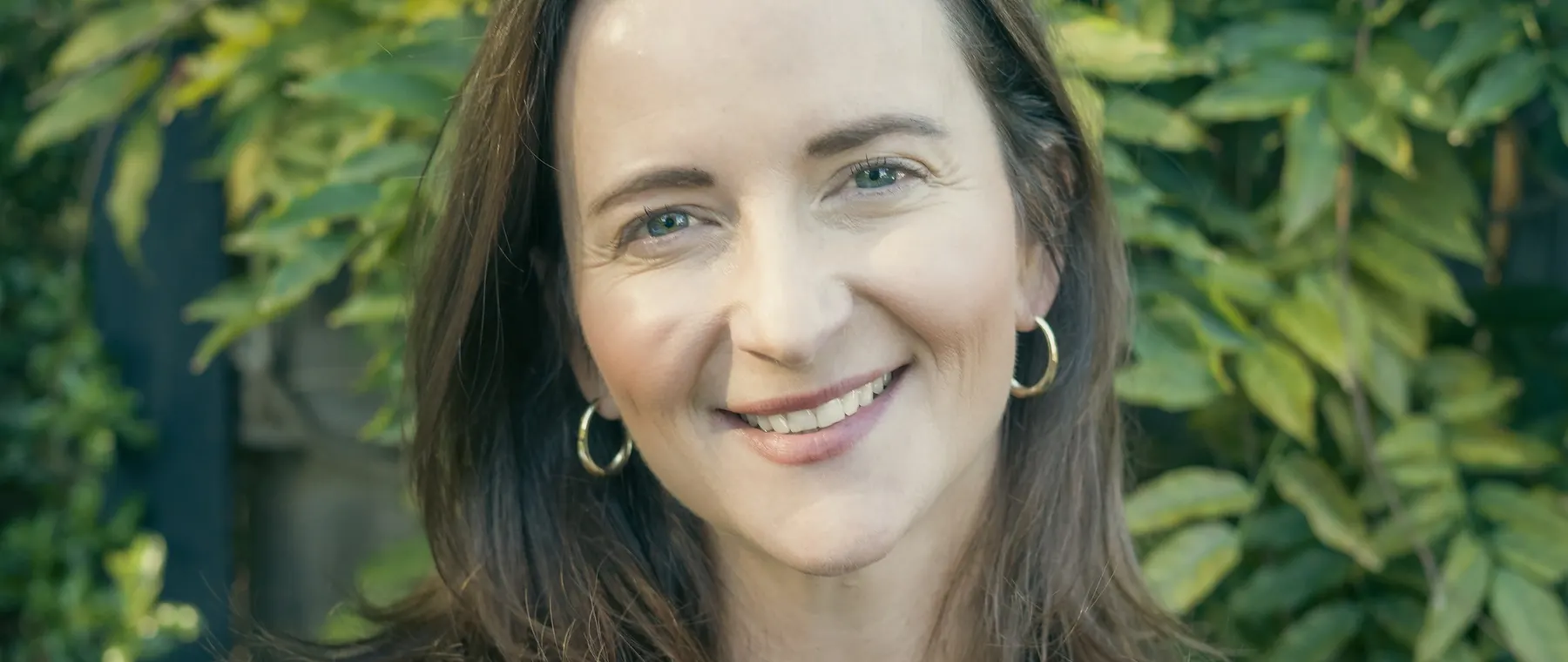
Source documentation: https://www.prnewswire.com/news-releases/luxury-travel-company-nellie-finds-silicon-valleys-wealthiest-travelers-are-done-showing-off-302943300.html, https://gonellie.com/blogs/the-wayfarer/luxury-travel-trends-2027. Lead image: Amy Norman, founder of luxury travel company Nellie — Nellie, official portrait accompanying the company's 18 November 2026 travel forecast announcement.. Official issuer-supplied press photograph, reproduced for editorial coverage of the specific announcement and resized for web display.