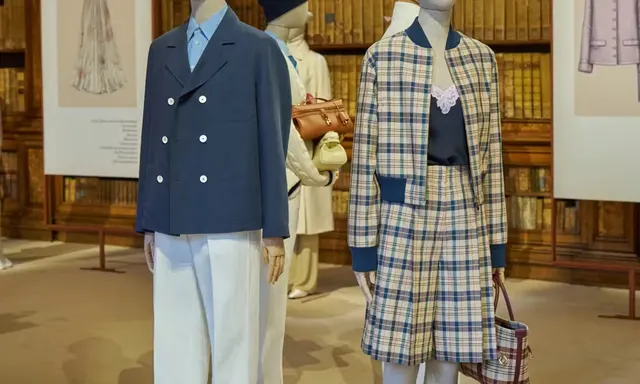
Loro Piana has opened an 8,000-square-metre centre in Ghemme, Piedmont, dedicated entirely to knitwear. It is the house’s first new manufacture in more than 30 years.
The site brings research and development, programming, knitting, assembly and finishing into one location. That integration makes the building as much about preserving skills and process as increasing production capability.
A return to an established site
Loro Piana first established a worsted wool spinning mill at Ghemme in 1987. The new centre therefore builds on an existing connection with a region known for textile expertise.
The original water tower and caretaker’s house have been preserved as part of the redevelopment. The caretaker’s house now accommodates the Accademia dei Mestieri, which is focused on training future knitwear specialists.
Materials from fibre to finish
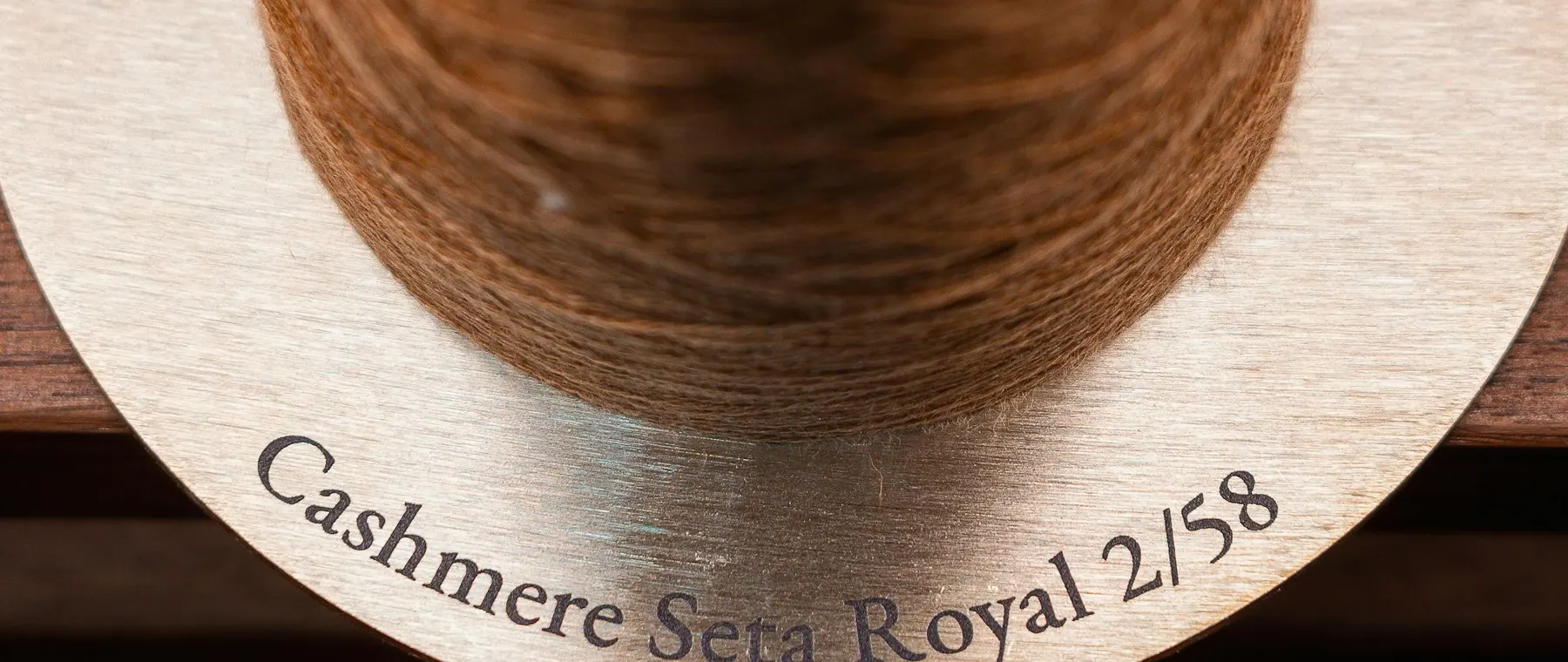
The Ghemme centre works with signature materials including cashmere, Baby Cashmere, vicuña, Merino wool and Pecora Nera. Bringing multiple stages together allows material knowledge to move more directly between development and finishing.
Advanced technology sits alongside specialised manual expertise throughout the process. That combination mirrors the wider luxury-manufacturing challenge of improving consistency without removing the human knowledge that creates character.
Architecture with a lighter footprint
Large openings bring natural light into spaces finished with wood, glass and hand-worked surfaces. The architecture is designed to connect the manufacturing environment visually with the surrounding Piedmont landscape.
LVMH says the centre has been designed without fossil fuels and incorporates rainwater recovery and photovoltaic panels. Those systems make environmental performance part of the building rather than a separate communications layer.
Why manufacturing matters to buyers
Luxury clothing is often discussed through collections, but the quality of a garment begins much earlier in fibre, machinery and skilled hands. Ghemme gives a clearer picture of the infrastructure behind the finished product.
For buyers who increasingly care about provenance and longevity, that transparency adds useful context. A good knit becomes more understandable when the chain from material research to finishing is visible.