A cruising yacht designed around time aboard
The Hanse 590 offers a useful case study in what changes when a private sailing yacht reaches 17.60 metres overall. Space is no longer simply about fitting everyone on board for an afternoon, but about giving guests comfortable places to relax, eat and withdraw during a longer voyage.
Hanse's published information describes a wide range of interior arrangements and a deck designed for straightforward movement. For owners weighing up a holiday afloat, the interesting question is how those choices shape daily routines rather than which specification looks most impressive on paper.
Start with the cabin arrangement
The builder offers three to five cabin arrangements, alongside three or four heads depending on the selected layout. A couple who entertain occasionally may value a different balance of private cabins and communal room from a family that regularly cruises with several generations.
More cabins can add sleeping capacity, but capacity is not the same thing as comfort over an extended stay. Guests need storage, privacy and quiet circulation, while the owner should think about how morning and evening routines work when everyone is aboard.
Galley and dining make the difference
Hanse highlights an L-shaped galley with equipment options that include a full-height refrigerator, dishwasher and wine fridge. Those appliances can improve the rhythm of a longer cruise, particularly when owners prefer preparing meals aboard to visiting restaurants every evening.
The planning question is whether the galley works with the intended passenger count and provisioning habits. Access to chilled food, countertop space and a sensible route between cooking and dining areas can matter more than an eye-catching finish.
Outdoor circulation and waterside living
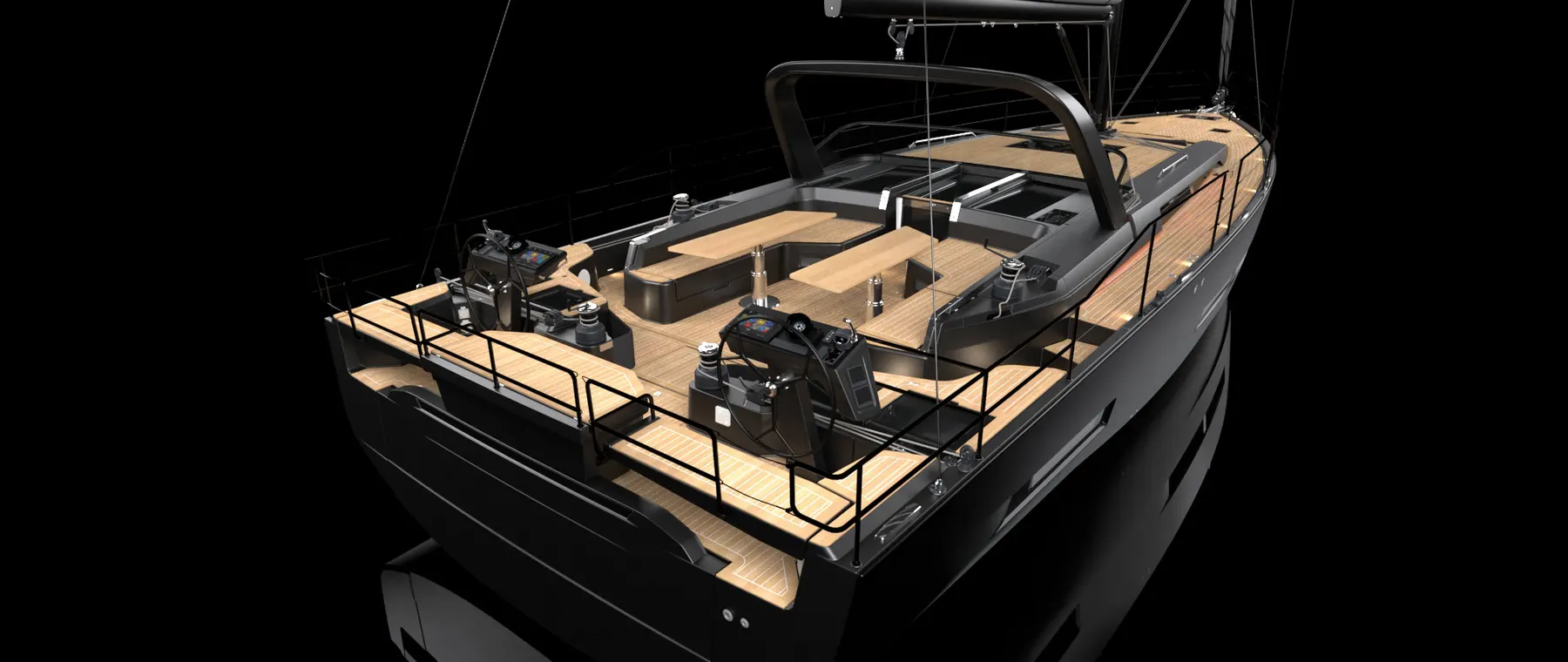
The walk-around deck aims to make moving between cockpit and foredeck less awkward, while the bathing platform supports access to the water. Hanse also describes an outdoor wet bar with a grill that can be raised into position, extending the places where guests can gather.
These are amenities to assess practically during a viewing, not merely photograph. It is worth checking how people pass one another under sail, where wet equipment can be stored and whether shade and seating remain comfortable at anchor.
Tender handling and shore excursions
A 3.10-metre tender can be accommodated using Hanse's Smart Tender System, according to the builder's specifications. The system is described with an electric crane arm, suggesting that access to harbours and beaches has been considered within the broader cruising concept.
Owners should still assess the compatibility of their chosen tender and the safe operating procedures for launch and retrieval. Weight limits, storage dimensions and local conditions must be confirmed with the yacht supplier rather than assumed from a marketing illustration.
Thinking about range and maintenance
Published technical data include a 770-litre water tank and 520-litre fuel tank, with a standard 110-hp diesel engine and an optional 150-hp alternative. These figures help frame provisioning and motoring decisions but do not establish a reliable cruising range without actual operating conditions.
Water consumption depends heavily on guest numbers and onboard habits, while diesel usage changes with speed, sea state and loading. A realistic itinerary therefore requires allowance for weather, fuel reserves, fresh water and access to suitable marinas.
Compare the layout in person
Yachting One has included the Hanse 590 in its four-model Hanse display at the 2026 Biograd Boat Show, alongside the 410, 460 and 510. For prospective owners, that allows a useful side-by-side comparison of what additional length achieves and what extra complexity it introduces.
A well-planned inspection should include standing and sitting in each cabin, working through the galley and checking sightlines and movement on deck. The best choice will depend on intended destinations and time aboard, not simply the largest available model.