Begin with an ownership plan, not the listing
A yacht between 12 and 24 metres can be a comfortable family cruiser, a bluewater sailing boat or a professionally operated motor yacht. Its asking price is only the entry point to ownership. Before travelling to inspect one, decide how many weeks it will actually be used, where it will be based, and whether family, guests or a hired skipper will normally be aboard. Those decisions help distinguish attractive photographs from a suitable vessel.
The Royal Yachting Association advises buyers to account for mooring, maintenance and insurance as well as the advertised cost. In this size band, the layout and onboard machinery also shape the experience: a quiet overnight cabin matters to guests, while access to equipment matters to whoever maintains it. Prepare a short written requirements brief before comparing listings, and separate essential features from design preferences that can wait.
Check the seller's paperwork before travelling
A first viewing should follow a basic document check. Request confirmation that the seller has authority to sell, the recorded vessel identity, a list of included inventory and any available service records. Where applicable, ask about registration, tax status and outstanding finance. The RYA explains registration does not always establish ownership, so a certificate alone should not replace a proper review of the purchase documentation.
A suitable written sale agreement should set out the purchase conditions, timing and treatment of deposits. The RYA recommends a written agreement for boat purchases and encourages buyers to understand survey and trial clauses before committing funds. Requirements differ by country and transaction, especially across borders. A specialist maritime professional can advise on those matters while the buyer focuses on whether the vessel suits the brief.
Use the viewing to test how spaces work
A yacht can look surprisingly spacious when photographed with wide-angle lenses. On board, move through the guest cabins, heads, saloon, galley, helm and aft deck in the order people will actually use them. Check where wet clothing is stored after a tender trip and whether a second guest can move through the galley while meals are being prepared. Note headroom, stair steepness and handhold positions rather than judging comfort only from upholstery.
Ask to see the engine room and accessible service points, even if a specialist will inspect them later. A beautiful interior is less enjoyable when technicians must dismantle furniture to service a routine filter. On a sailing yacht, inspect the cockpit layout and the passage from helm to the foredeck; on a motor yacht, consider visibility during docking. Write down observations immediately, because impressions blur.
Appoint an independent pre-purchase surveyor
An accepted offer is not evidence that a yacht is in good condition. The RYA recommends a survey, particularly for a second-hand private sale, because the findings may determine whether the transaction proceeds or is renegotiated. Select an appropriately experienced surveyor with experience of the yacht's construction. Confirm the inspection scope in writing before booking the lift or arranging access.
A meaningful examination may require time ashore so that the underwater hull, appendages and relevant fittings can be seen. The surveyor will explain what can be inspected and what is outside the assignment. Main-engine diagnostics, standing-rigging assessments or specialised electrical examinations may need separate experts. Treat the resulting report as a record of the vessel's condition and limitations, not as a warranty against every future problem.
Make the sea trial a deliberate test
The sea trial should test normal operation rather than simply provide a pleasant ride. Agree in advance which systems can be demonstrated, the intended duration and the weather conditions within which the trial will be conducted safely. Observe cold starting where practicable, manoeuvring near the berth, steering response and sustained engine operation. On a sailing yacht, an appropriate demonstration may also include sail handling and a representative point of sail.
Keep an organised record of engine readings, unusual noises, vibration, smoke, alarms and the behaviour of navigation electronics. A calm-water trial has limits, while weather that is too severe makes a carefully controlled inspection impossible. Do not request unsafe manoeuvres merely to complete a checklist. Where findings are ambiguous, ask the relevant specialist to investigate them before accepting an impression.
Read the reports before negotiating repairs
Survey reports often contain a mixture of urgent defects, maintenance recommendations and observations reflecting normal age. Separate genuine safety or structural issues from cosmetic preferences before discussing the sale price. For significant findings, obtain a written estimate from a suitable yard or specialist rather than guessing the cost of repair. Also consider whether work can be done before the yacht's next cruising season and who will be responsible for arranging it.
An independent report can support an informed renegotiation, but the contract determines the options available and their timing. The RYA advises making sure survey and sea-trial conditions are correctly incorporated into the agreement. Keep records of any agreed price adjustment, repair work or change to the inventory. If a critical matter cannot be resolved, a buyer should obtain contractual advice rather than relying on assurances made during a casual conversation at the pontoon.
Calculate the first twelve months of ownership
Allow for more than berthing and fuel. Consider haul-outs, antifouling, engine servicing, insurance, safety-equipment checks, winter storage, consumables and a sensible reserve for unforeseen maintenance. Some sailing yachts add rig inspections and sail-repair requirements, while larger motor yachts may have more complex generators, air-conditioning, hydraulics and stabilisers. Budget to match age and systems.
Ask for recent invoices and service schedules rather than using a universal percentage of purchase price. A survey finding can be converted into an indicative maintenance plan, with urgent items distinguished from work that can be scheduled. If professional crew or a skipper will be needed, include that arrangement from the beginning. A yacht should feel like a source of freedom, not a commitment whose recurring expenses become clear only after the purchase is completed.
Turn a good trial into a confident decision
Before signing the final paperwork, revisit the requirements brief prepared at the start. Is this the boat you actually need, or the boat that looked most impressive during one viewing? Confirm that the surveyed equipment and included inventory match the agreement, that the remaining work is understood, and that insurance and a suitable berth can be arranged. When several parties are involved, keep one dated record of documents and outstanding questions.
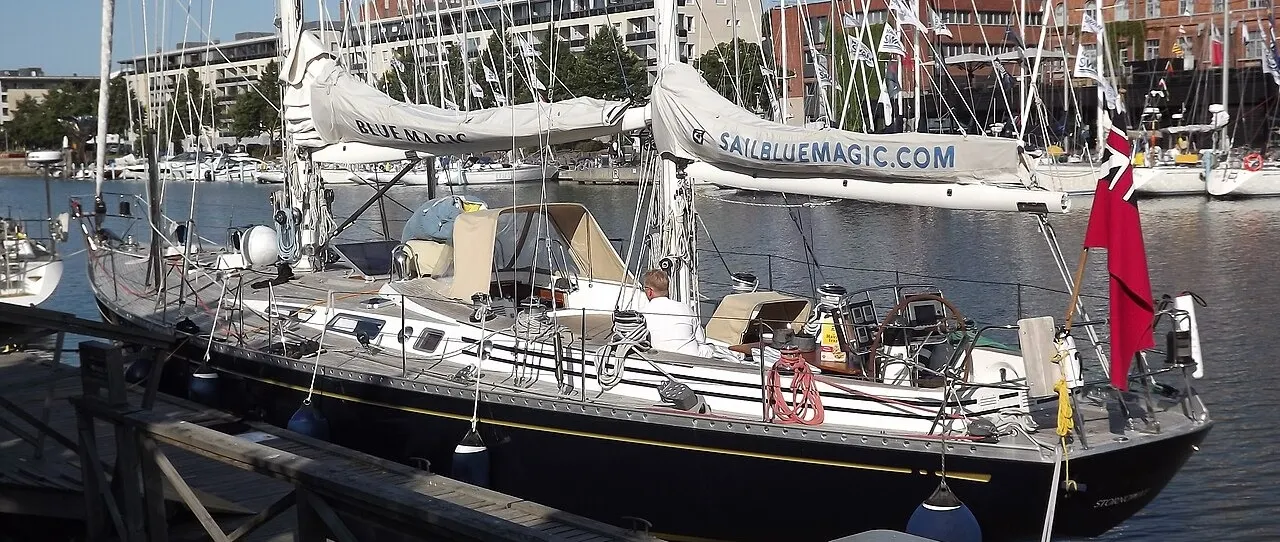
This guide draws on the RYA's published boat-purchase and survey guidance, and is intended as a practical editorial checklist rather than legal or engineering advice. The photograph shows the 19.8-metre Swan 65 sailing yacht BLUE MAGIC at Turku during the 2021 Swan European Regatta, photographed by LPfi and shared under the Creative Commons Attribution-ShareAlike 3.0 licence. It illustrates the sort of substantial cruising yacht for which inspection and sea-trial planning matters.