A new table in an established mountain resort
Four Seasons Resort Megève is preparing a new winter dining address, Layali, a 42-seat Lebanese restaurant arranged within a temporary, purpose-designed space on the terrace of the resort's Kaito restaurant. The opening is scheduled for 18 December 2026, with the season running until 29 March 2027. The hotel's announcement, issued on 24 November, calls Layali the first restaurant in Megève devoted entirely to Lebanese gastronomy. That is the operator's description of its positioning, not an independent census of every restaurant that has served Lebanese dishes in the area. What is verifiable is the opening programme, the venue, the intended menu and the carefully defined winter operating period. This is a prospective restaurant launch, not a completed opening or a report of meals independently tasted. For travellers considering the French Alps this winter, Layali adds a different culinary direction to the high-altitude destination: shared dishes and eastern Mediterranean hospitality in a landscape better known for its Savoyard traditions and substantial ski-season dining.
Why a Lebanese concept belongs in Megève
A mountain resort's restaurant offer need not confine itself to the immediate region. International guests bring different culinary interests, and groups travelling together may value an evening defined by communal dishes rather than individually plated courses. Layali's advertised approach centres on the social structure of Lebanese eating: hot and cold mezze, grilled specialities, breads and dishes that arrive to be passed around the table. That structure can be practical for families and mixed-age parties, although guests with allergies or dietary restrictions still need to discuss ingredients individually with the restaurant. The approach also offers a useful contrast to the classical Alpine meal, in which cheese, preserved meat and rich regional preparations frequently command attention. Neither culinary tradition is inherently more authentic or luxurious than the other. The interest lies in a thoughtful pairing of a menu's cultural origins with a recognisable place, without pretending that Lebanon's food culture can be fully represented by a handful of dishes or by a single dining room in France.
The dishes announced by the resort
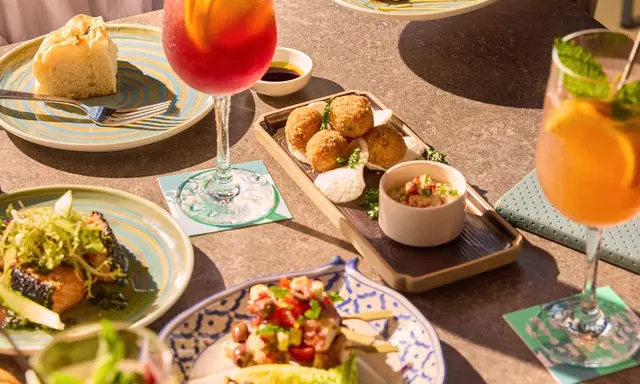
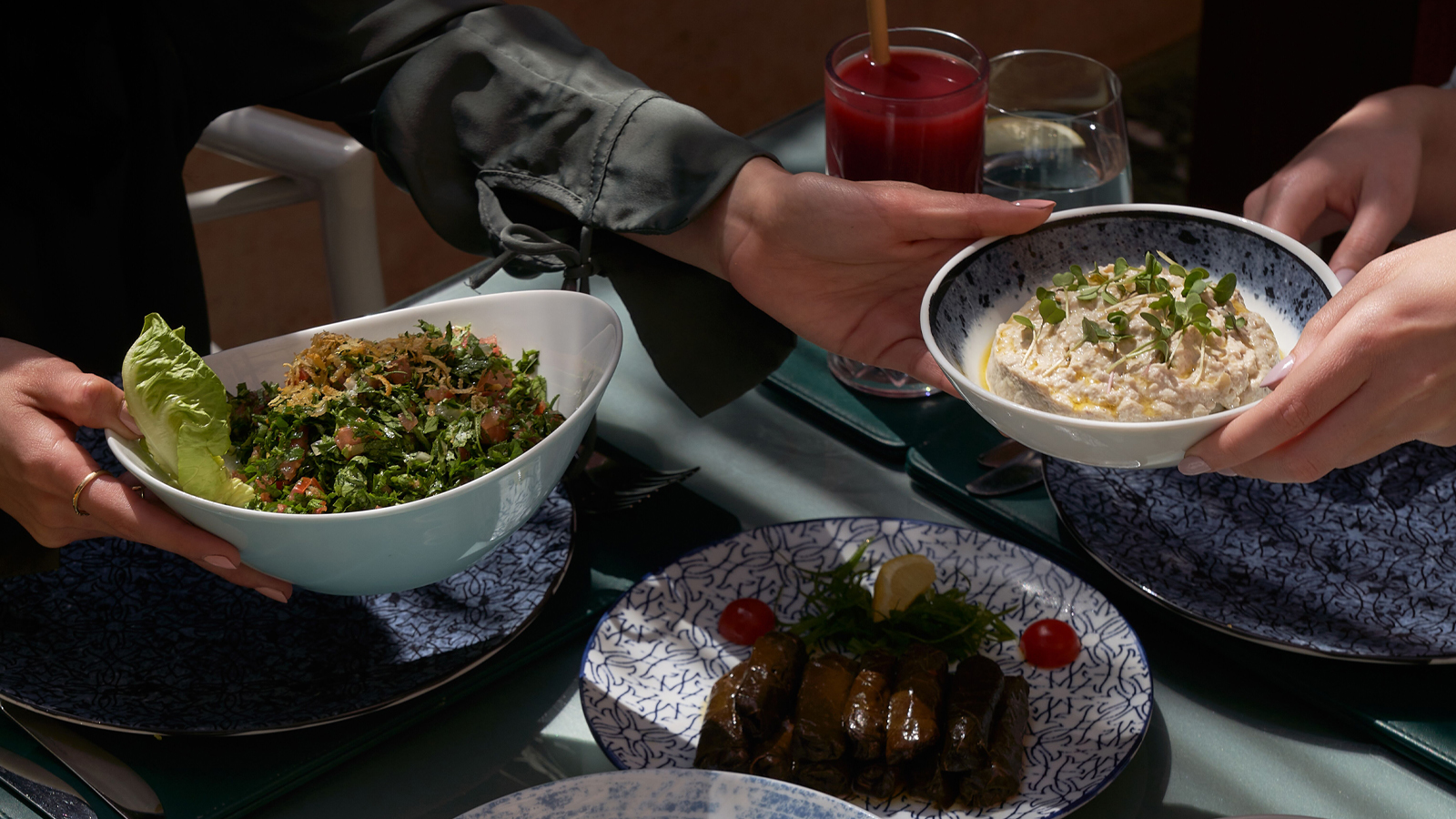
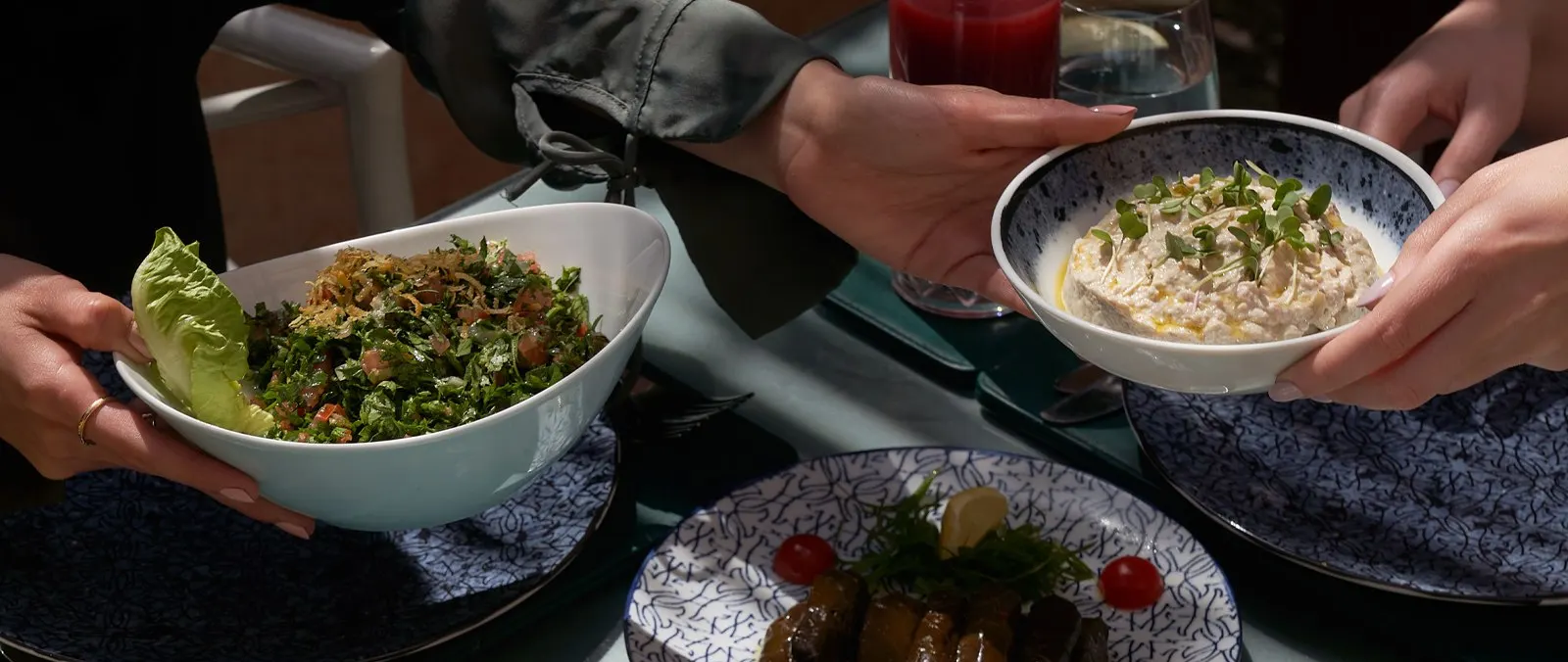
The company's November announcement names hummus, kebbeh hamis, arayess kafta, lamb rack and mouhalabieh among the preparations expected at Layali. Each carries a different texture and role in a shared meal: a dip, a meat-based speciality, bread with a savoury filling, a grilled main dish and a milk-based dessert. The exact recipes, portions, ingredients and prices have not been independently confirmed in a complete menu, and diners should not assume every listed item will appear unchanged on every evening of a four-month season. The reported dishes nevertheless provide a meaningful preview of the kitchen's intended range. Lebanese cuisine has deep regional diversity, and a responsible reading of an opening announcement should not reduce it to a short list of signature plates. The interesting operational challenge is to maintain balance between small dishes, grilled courses and the pace of service in a relatively intimate venue. A shared format rewards attentive staff who can coordinate timing and guide guests through combinations without imposing a rigid sequence on the evening.
A terrace redesigned for the winter season
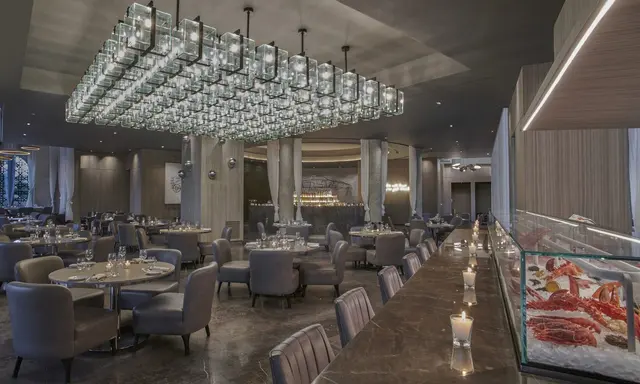
Layali is planned for a bespoke timber-framed structure built on Kaito's terrace. The resort describes a transparent roof and broad windows, placing the mountains at the centre of the restaurant's visual experience. This matters because outdoor-oriented architecture in a ski destination is more complicated than an ordinary seasonal decorative refresh. Guests expect warmth, comfortable circulation and clear views even when temperatures fall and winter weather changes. The operator has not provided engineering drawings, thermal-performance figures or a technical specification for the structure, so none should be inferred. The announcement instead establishes the design intention: a contemporary, sheltered dining environment in which the surrounding Alpine scenery remains visible. Designers have to reconcile that aspiration with practical details such as condensation, acoustic control, lighting, snow loads and access, but the specific measures taken here would require separate confirmation. The 42-seat capacity points toward a small-scale experience rather than a large banquet restaurant. It also suggests that advance reservations could be sensible during peak holiday periods, subject to actual booking availability.
The meaning and atmosphere of Layali
The name Layali translates from Arabic as 'the nights', reflecting the opening team's interest in extended evenings, conversation and hospitality. A restaurant can express those ideas through service as much as through interior decoration. Courses presented for sharing encourage interaction, while the pacing of the meal allows a table to develop its own rhythm. Yet atmosphere cannot be verified from a press announcement alone. The success of the concept will depend on the welcome, the clarity of the menu, kitchen consistency, wine and non-alcoholic drink choices and whether the physical space feels comfortable at full capacity. The announced concept is best regarded as an invitation rather than proof of an achieved guest experience. For visitors from Lebanon or the wider region, the quality of familiar preparations may be particularly important. For first-time diners, knowledgeable guidance and transparent explanations of ingredients could make the difference between a superficial theme and a rewarding introduction. Both groups have reason to expect more than visual novelty.
An addition to the resort's restaurant collection
Four Seasons says Layali becomes its seventh dining concept at Megève, a sign that it is using differentiated food experiences to refresh the resort's seasonal identity. The distinction between 'concept' and permanently operating restaurant matters. Layali is explicitly a winter venture, and the company suggests the format may evolve with new ideas in future seasons. An opening date and a closing date have been announced, but there is no public commitment that exactly the same menu, structure or name will return next winter. Resort operators frequently tailor food programmes to seasonal demand, staffing and the rhythm of local visitors. The commercial implications can be considered without inventing occupancy or revenues. A small specialist restaurant might help draw non-resident diners, extend a guest's time at the property or give repeat guests another reason to visit. None of those results is quantified in the announcement, however. The confirmed development is the introduction of a defined Lebanese-inspired winter table in the existing resort environment.
Planning an evening around the restaurant
The published service schedule is dinner daily from 7 p.m. to 10 p.m., with the season planned between 18 December 2026 and 29 March 2027. Those are stated opening hours, not a guarantee that a specific table can be reserved or that the resort will not adjust hours for special occasions. A holiday itinerary should therefore distinguish the operating window from actual booking confirmation. Travellers combining skiing, spa visits and dinner should allow for mountain transport conditions and the time needed to change after outdoor activities. The venue is in Megève, not a separate remote mountain outpost requiring an assumed transfer arrangement, but the precise route from a guest's accommodation will vary. Families may wish to check whether service timing, portions and seating suit younger diners. Vegetarian guests, people avoiding certain meats and anyone with allergies should seek written clarification rather than relying on the general character of mezze or the restaurant's Lebanese identity. The available announcement does not publish a complete dietary or accessibility guide.
Culinary identity without invented authenticity
A meaningful assessment of Layali will eventually depend on food actually prepared and served. The distinction matters in hospitality journalism because announcements often present an idealised version of an experience before the doors open. The operator has disclosed the general menu vocabulary and visual concept, but there are no independent tastings or verified guest reactions to this new venue. It would be misleading to call the food exceptional, award-winning or the region's finest in advance of those facts. Nor does the presence of familiar Lebanese dishes establish who developed every recipe or how ingredients are sourced. A credible future review would examine freshness, cooking, seasoning, consistency and whether traditional dishes are handled with care. It would also consider service and value in relation to the announced price, once that price is available. In the meantime, readers gain more from an accurate preview of the opening, including its limitations, than from an unearned restaurant rating.
Design, dining and the luxury travel programme
For luxury travellers, the strongest restaurant memories often arise from connections among food, place and company rather than one component in isolation. Layali's design tries to create that connection through transparent architecture, winter light and shared Lebanese dishes. A guest could move from skiing and Alpine scenery to a meal with a different cultural accent without leaving the resort's wider hospitality setting. Such a combination may be appealing to multi-generational groups or guests returning to Megève after several visits. Nevertheless, the restaurant does not transform the destination's broader cultural identity, nor does it replace local culinary traditions. Its value is in broadening choices for a defined season. The emphasis on sharing also provides an alternative to heavily choreographed tasting menus. Those observations describe the concept's likely appeal; they are not claims about reservations, satisfaction or revenue. Visitors should judge its execution once the venue has opened and the team has established an operating rhythm.
The confirmed winter opening
The most useful summary of the November news is precise. Four Seasons Resort Megève has announced a 42-seat Lebanese dining concept called Layali, arranged in a timber-framed seasonal structure on Kaito's terrace. It intends to serve dinner daily from 7 to 10 p.m. between 18 December 2026 and 29 March 2027. Its planned menu features sharing plates and named Lebanese preparations, with the mountains visible through the structure's glazed envelope. Prices, final menus, individual availability and the eventual critical reception remain to be confirmed. Readers should also distinguish an image supplied for the opening announcement from an independent photograph of a meal experienced by the newsroom. Luxury Yacht Guide records the news as a prospective hospitality opening because those are the facts supported by the operator's release. The story can be updated with firsthand reviews, adjustments to the programme or further disclosures once they become documented.
Sources and image credits
Reporting based on Four Seasons Resort Megève official Layali opening announcement, November 2026.
Lead photograph: Megève's Layali Introduces Lebanese Dining in the French Alps — official first-party Four Seasons press photograph. © Four Seasons Hotels and Resorts and original rights holder; image released in its press gallery for this announcement. Original official image source.