Kyoto's autumn harvest becomes an experience
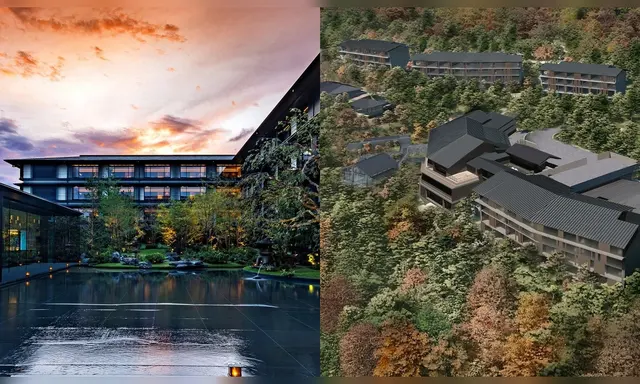
HOTEL THE MITSUI KYOTO has introduced a Kyotamba Chestnut Afternoon Tea in collaboration with Kyotamba Town, running from 16 September to 30 November 2026. The presentation turns a regional agricultural ingredient into a paced dessert experience rather than a conventional tray of small cakes. A garden outlook places seasonal change alongside the food.
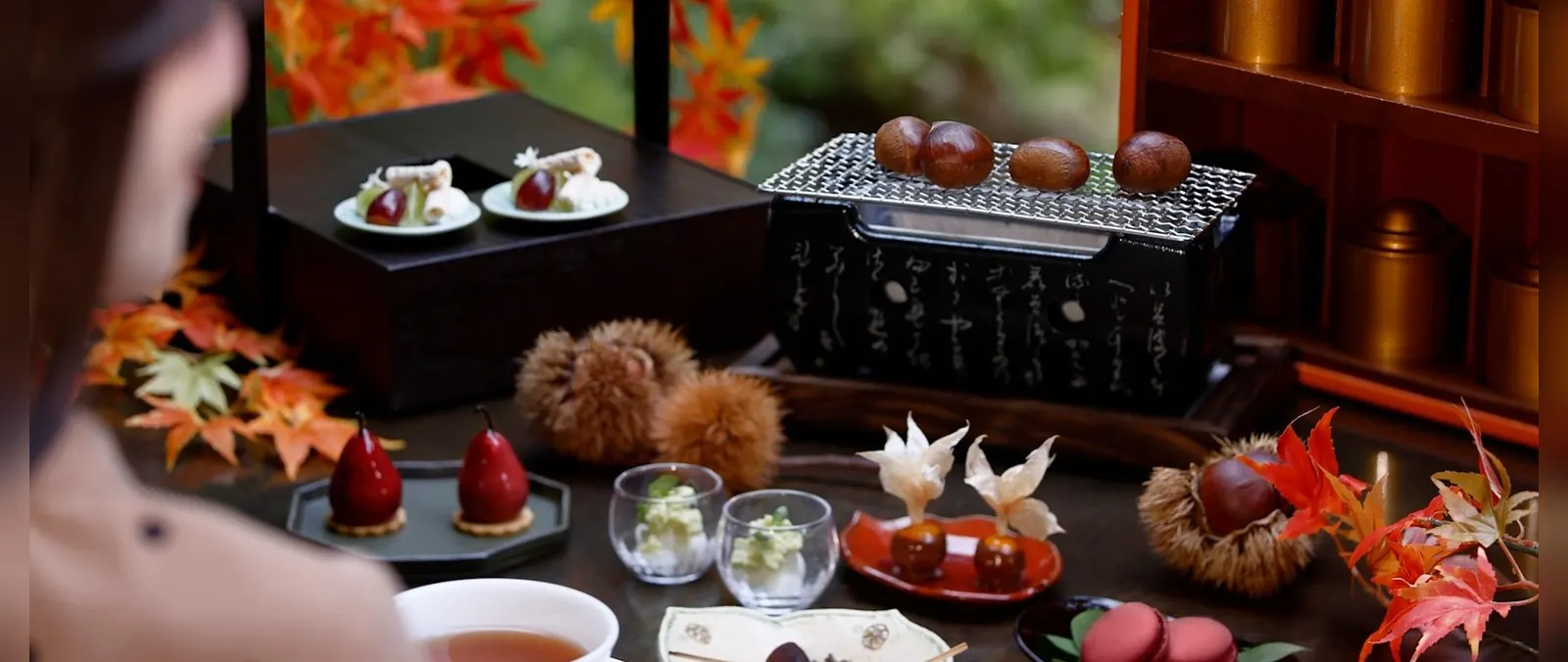
Kyotamba chestnuts have a long association with the region and were historically presented as tributes to elite households. The hotel's approach connects that heritage with contemporary pastry technique. The emphasis on a local ingredient offers visitors a more specific experience than a generic autumn menu assembled from fashionable colours and decorations.
Five acts on the tea table
The menu is organised into five named stages: Dewfall, The Curtain Rises, Between the Seasons, The Fragrance of Autumn and After the Harvest. Their sequence gives the sitting something of a theatrical rhythm. Ingredients such as persimmon, local chestnuts and Kyoto vegetables are used to move between sweet and savoury compositions.
A collaboration with Kyotamba's Tsumiki Furniture Store produced a wooden presentation box inspired by the traditional okamochi carrying case. That detail matters because the furniture and serviceware become part of the story of place. A considered vessel can change how dishes are encountered without needing to overwhelm the ingredients themselves.
Sittings and the actual price
The hotel advertises four daily sitting times, beginning at noon, 12:30 p.m., 2:30 p.m. and 3 p.m., with each session lasting approximately two hours. The listed price is JPY 7,800, including free-flow beverages. The tea selection includes more than twenty TWG teas and original non-alcoholic pairings.
For guests who want a more focused chestnut dessert, a roasted Kyotamba chestnut parfait is available for an additional JPY 2,000. The extra charge should be considered separately from the core menu price. Travellers should confirm whether dietary modifications are possible, especially when an elaborate course involves nuts, dairy or layered preparations.
What the season adds beyond flavour
An autumn tea can provide a useful pause in a Kyoto itinerary otherwise dominated by temple and museum visits. The hotel's garden changes gradually through the season, making the same composition feel different in September and November. Visitors interested in design may appreciate the way the wooden case, plating and surroundings work together.
The presentation is also an example of how luxury hospitality can create value by collaborating with regional craftspeople and producers. For guests, the important question is whether the food communicates that relationship authentically. A carefully explained ingredient can be more memorable than extravagant decoration added without a cultural connection.
Plan the visit around the venue
The advertised programme ends on 30 November, so travellers arriving later should not assume the chestnut tea will remain available. Popular autumn weekends may also bring stronger demand from local diners. A confirmed table at the desired sitting is sensible, particularly for guests fitting tea between booked cultural experiences.
Reservations, allergies and individual menu availability should be checked directly with HOTEL THE MITSUI KYOTO. The published price and service details describe the announced programme, not a guarantee that every element will remain unchanged. The appeal is a seasonal, place-specific experience that rewards allowing enough time to enjoy it.
What visitors take away from a seasonal collaboration
The event draws attention to the relationship between a rural producing area and a Kyoto luxury hotel. That relationship can introduce guests to foods and crafts they may not seek independently. Asking how the local chestnuts are prepared, stored and used across dishes often reveals more than a photograph of an elaborate serving.
For travellers interested in Japanese hospitality, service is also part of the craft. A well-paced sequence gives staff time to explain each act without disrupting conversation. The tea is designed as a defined two-hour experience, making it suitable for a relaxed afternoon rather than a hurried stop between timed appointments.