A watchmaking journey with a definite October starting date
Geneva's autumn watch calendar gains an unusually concentrated exhibition this week. From 30 October to 15 November 2026, the Musée d’Art et d’Histoire will host the Grand Prix d’Horlogerie de Genève's nominated timepieces, giving visitors a chance to examine the year's shortlisted work before and after the prize ceremony. For collectors arriving from abroad, it creates a useful reason to build a cultural visit around the city rather than limit a watch trip to boutiques and appointment rooms.
The GPHG Foundation has shortlisted 84 creations for its 2026 edition, spanning wristwatches and mechanical clocks. This is not a commercial showroom with every object available to purchase, and it should not be presented as one. The value is the opportunity to compare different approaches to horology, from restrained time-only designs to more elaborate mechanics, artistic craft and jewelled construction in an organised exhibition setting.
A particularly appealing feature is the timing. Anyone visiting in the exhibition's opening days can form an opinion before the awards are announced on Saturday 7 November, while visitors afterwards can consider the winners against the rest of the shortlisted field. That before-and-after perspective turns the show into more than a survey of expensive watches: it becomes a practical way to think about what the jury values and what an individual collector values.
What the nominations reveal about contemporary collecting
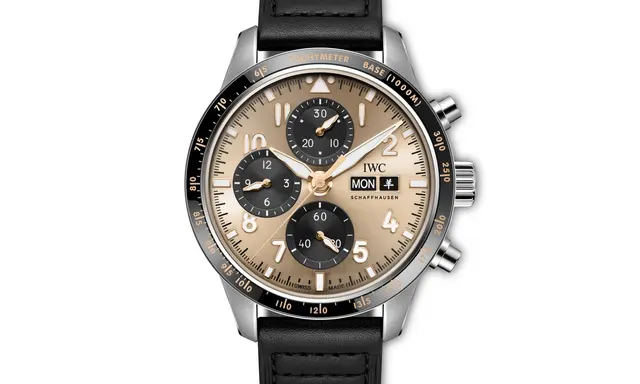
The official 2026 shortlist comprises 78 wristwatches and six mechanical clocks, arranged across fourteen categories in the competition. Its breadth matters because the best contemporary work is not limited to tourbillons or precious metals. Cases, dials, legibility, finishing, unusual complications and the relationship between movement and design can all shape why an object deserves sustained attention.
A thoughtful way to tour the galleries is to start with time-only designs, where proportion and restraint are difficult to disguise, and then turn to the more overtly technical pieces. A watch with an elaborate mechanism is not necessarily the better personal purchase, just as a modestly complicated watch can be deeply rewarding when its finishing and overall character feel coherent. The museum format gives guests the freedom to make those comparisons without the pace of a selling appointment.
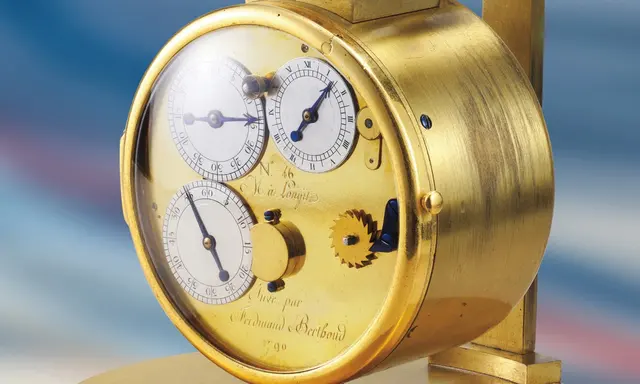
Mechanical clocks bring another dimension to the conversation. They connect the contemporary watchmaking competition to centuries of architectural and decorative objects that have occupied homes, libraries and great collections. For a reader accustomed to large-scale design, a clock can be closer to a piece of kinetic sculpture than a conventional accessory, revealing another way that exceptional mechanical craftsmanship enters a private interior.
The museum visit: tickets, tours and practical arrangements
Geneva's official tourism programme confirms the display at the Musée d’Art et d’Histoire from Friday 30 October through Sunday 15 November, with the museum closed on Mondays. The published regular daytime schedule is 11 a.m. to 6 p.m., with later Thursday access listed on the relevant dates. Because museum programming can change, visitors should consult the official listing before fixing a chauffeur collection or an onward appointment.
The admission arrangement deserves particular attention. The city's event listing describes museum entry as pay-what-you-wish and the cultural activities as free, but that does not mean every event has unlimited capacity. Guests who want a particular guided session or workshop should check the registration and access instructions for that activity, especially on weekends and near the awards ceremony.
Public guided exhibition tours are scheduled at noon, 2 p.m. and 3 p.m. each day the museum is open, with additional Thursday evening and weekend afternoon sessions. The published tour duration is approximately fifty minutes, and the programme is aimed at visitors aged twelve and above. For a small group of serious enthusiasts, a guided visit provides a useful common introduction before individuals explore their preferred categories in their own time.
The address is Musée d’Art et d’Histoire, Rue Charles-Galland 2, Geneva. Build in time for entry and the rest of the museum rather than treating the location as a quick trophy-viewing stop, and confirm accessibility requirements directly when needed. A collector who arrives ready to look at craftsmanship in depth will gain more from the visit than one rushing between a string of unrelated meetings.
A programme that explains rather than merely displays
The exhibition is supported by activities designed to make specialist skills approachable. The Geneva Watchmaking School leads introductory sessions on subjects including watch assembly, bevelling and pivoting, with workshop times published on Wednesdays and at weekends. These are educational experiences rather than factory access or personal appointments with an individual manufacturer, and the programme specifies a minimum age of ten for the core watchmaking workshops.
Families are not forgotten. The official schedule includes children's activities devoted to reading analogue time, engraving and understanding a working clock, each with its own age range and appointed date. Those sessions offer a useful way for younger travellers to encounter mechanical timekeeping without making an adult luxury-shopping itinerary their only experience of Geneva.
One announced discussion on 5 November considers how Geneva and the wider Swiss watchmaking region developed their reputation for exceptional horology. The published speaker is Pascal Ravessoud of the Fondation de la Haute Horlogerie, and the evening talk adds historical context that cannot be supplied by technical specifications alone. For collectors interested in cultural heritage, it is a reminder that contemporary production sits inside a much older ecosystem of training, materials, specialist trades and exchange.
The programme also includes projects by students from Geneva's HEAD design school under the 'Beyond the Clock' theme. That educational strand makes the wider event particularly relevant to visitors interested in where watchmaking design might go next. Emerging ideas are not automatically future commercial products, but they can reveal how the next generation is thinking about material, form and the very purpose of a timekeeping object.
Awards night and the temptation to predict a winner
The 26th GPHG awards ceremony is scheduled for Saturday 7 November 2026 at the Bâtiment des Forces Motrices in Geneva. The foundation's announced prize programme includes the Aiguille d'Or Grand Prix, the overall distinction many observers watch most closely, alongside awards recognising different kinds of work. Winners should not be described as known until the official results are released.
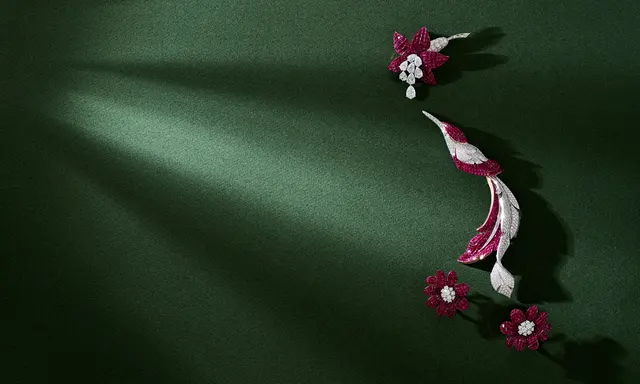
An exhibition visit before the ceremony invites a richer game than betting on a name. One can look at whether ambitious engineering still makes an object wearable, whether a watch's distinctive design survives close inspection, and whether gem-setting or decorative technique enhances rather than overwhelms the composition. These are subjective questions, and the existence of a prize should not be treated as a substitute for an individual collector's own taste.
After 7 November, return visitors may enjoy looking at the same nominations through a different lens. An award can draw attention to a manufacturer or technique that a guest initially overlooked, while a personal favourite may remain a favourite without recognition from the jury. Keeping those two judgments separate is part of developing a collection with a character of its own.
Building a Geneva stay around the exhibition
Travellers combining the programme with boutique appointments should leave the museum visit as a substantial block, not the spare hour between meetings. Start with the shortlisted works, make notes about pieces worth researching further and then schedule more focused manufacturer conversations after the tour. Where an appointment is needed, arrange it directly with the relevant house; the exhibition listing does not itself guarantee private handling or commercial access to nominated pieces.
Visitors making a short Geneva stay may find the opening weekend appealing, while those keen to study the eventual winners can choose dates after the ceremony. The official exhibition end date is 15 November, so there is a finite window to see the whole nominated display in this setting. Guests should also plan around the museum's Monday closure and the separate availability requirements for workshops and special talks.
The event's public programme and precise times are listed by Geneva Tourism, while the GPHG Foundation provides the official nominations and the 2026 awards calendar. The illustration accompanying this feature is the official GPHG 2026 exhibition poster reproduced by Geneva Tourism, not a photograph of one of the nominated watches.
Fine-watch collecting is most rewarding when a timepiece is experienced as more than a certificate or a headline. Geneva's October-November display offers an unusually direct chance to compare human decisions in design, engineering and craft while the annual awards are still part of a living conversation. It is a rare itinerary where the museum visit can genuinely sharpen the questions an owner asks on the next visit to a watchmaker.
For confirmed dates, venue and official access information, see the GPHG 2026 Nominated Timepieces Exhibition in Geneva event listing. The organiser's latest guidance takes priority over any advance itinerary.
For confirmed dates, venue and official access information, see the Grand Prix d'Horlogerie de Genève 2026 Awards Ceremony event listing. The organiser's latest guidance takes priority over any advance itinerary.