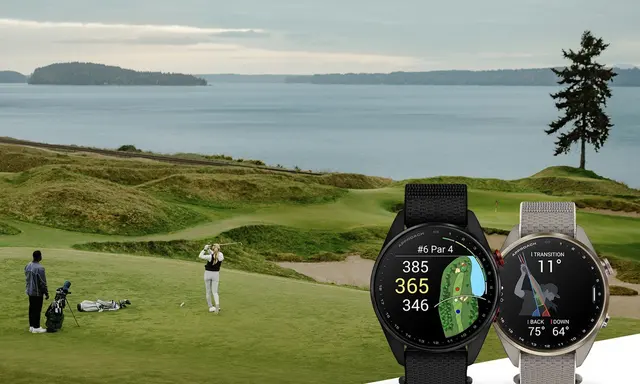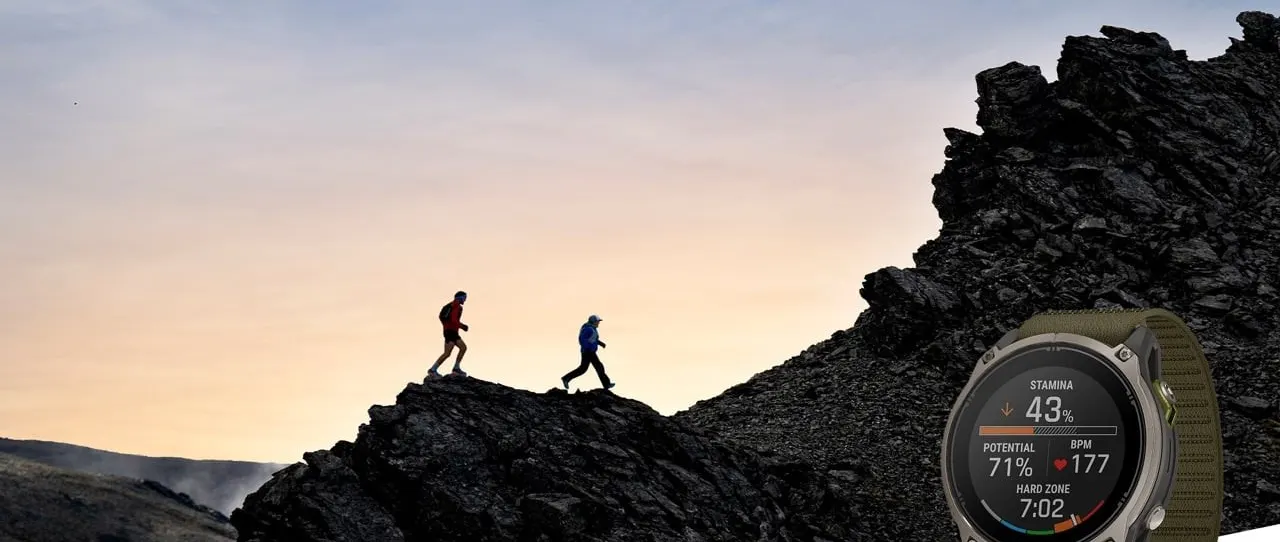
Garmin has introduced Enduro 4, a solar-assisted GPS smartwatch built for endurance sport and multi-day exploration. Announced on 6 October 2026, the model combines a 1.4-inch memory-in-pixel display, extensive training information and long-duration activity tracking. It is an interesting addition to the active-travel wardrobe, where a useful watch must work during early hikes, cycling days and long stretches away from charging points.
Endurance as the principal design decision
Garmin quotes up to 320 hours of battery life in activity mode and up to 90 days in smartwatch mode under its specified test conditions. Those figures are not an unconditional promise: GPS use, sensors, notifications, sunlight exposure and operating mode all affect real-world endurance. Solar charging is a supplement rather than an invitation to abandon charge planning completely.
The key advantage is continuity. On a walking holiday, a bikepacking route or a multi-day coastal excursion, frequent charging creates another item on the daily checklist. A device designed to last longer between charges can make route recording and training records less disruptive to the experience.
A focus on the athlete's changing capacity
The October launch introduces grade-adjusted pace-based workout targets and related information such as rolling pace, stamina zones and a stamina curve. These tools are aimed at athletes trying to understand how effort changes with gradients and fatigue, rather than judging every outing by a single average speed.
Garmin Epic multiday activity logging is another part of the new feature set. It is intended to connect long endeavours that do not fit comfortably inside one ordinary daily training entry. For travellers who mix distance running, mountain walking and cycling, this can build a more useful record of activity across a trip.
Design choices for repeated outdoor use
The Enduro 4 adopts a ComfortFit fabric band and an energy-efficient display. Comfort is often underestimated in watches worn for multiple days: the strap must cope with changing temperatures, perspiration and the movement of a wrist during strenuous activity. Potential buyers should try the physical size and band fit rather than assuming an endurance-focused watch is suitable for every wrist.
A memory-in-pixel screen also represents a different visual priority from a richly saturated AMOLED display. Readability in strong sunlight and power economy can be valuable outdoors, while some wearers may prefer a brighter display for indoor use. The choice is personal rather than a simple ranking of specifications.
The place of a sports watch on a coastal escape
For owners travelling between a yacht, harbour town and inland walking trails, a capable GPS watch can provide continuity across activities. Yet none of its navigation or wellness features should be treated as a substitute for a suitable chart, emergency plan or professional medical advice. The watch is a personal companion, not a yacht's primary navigation or distress equipment.
Who should consider it?
Enduro 4 is most persuasive for people who actually use its extended tracking and training tools. Someone mainly interested in daily notifications, dress versatility or occasional weekend exercise may find simpler devices more appropriate. The October announcement underscores a wider lifestyle trend: consumers are increasingly selecting specialist tools that remove friction from how they already travel, rather than choosing technical complexity for its own sake.