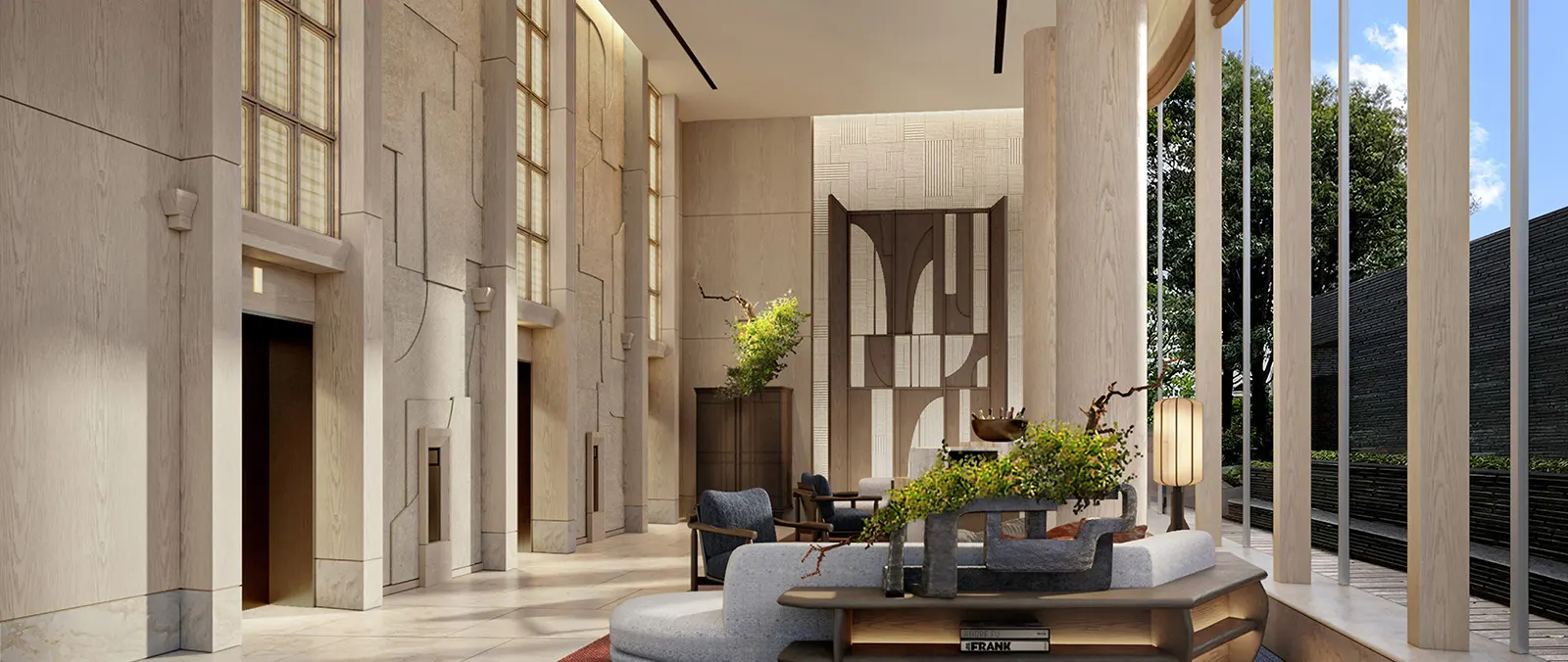
Ahead of its spring reopening, Four Seasons Hotel Tokyo at Marunouchi revealed a transformation led by André Fu Studio that aims to combine contemporary Japanese aesthetics with the warmth of a private home. Reservations opened for stays from April 29, 2026. This additional layer helps the experience feel considered rather than purely decorative.
The project is particularly suited to the property because its small scale allows design details to feel residential rather than institutional. The hotel is using that intimacy as a defining characteristic. This additional layer helps the experience feel considered rather than purely decorative.
André Fu Studio sets the tone
The design approach is known for layered materials, calm proportions and a sense of residential refinement. In Marunouchi, those ideas are adapted to a distinctly Japanese context. This additional layer helps the experience feel considered rather than purely decorative.
The result is intended to feel international enough for global travellers while still belonging clearly to Tokyo. This additional layer helps the experience feel considered rather than purely decorative.
Contemporary Japan replaces cliché
Rather than relying on obvious traditional motifs, the interiors take a subtler approach to Japanese aesthetics. Texture, craftsmanship and proportion do more work than decorative symbolism. This additional layer helps the experience feel considered rather than purely decorative.
This is often more convincing in modern luxury hotels because it allows local references to feel lived-in rather than staged. This additional layer helps the experience feel considered rather than purely decorative.
Home-like warmth matters in a business district
Marunouchi is one of Tokyo’s busiest commercial areas, so a residential atmosphere creates useful contrast. Guests can leave an intense urban environment and enter spaces designed to feel calmer and more personal. This additional layer helps the experience feel considered rather than purely decorative.
That contrast is especially valuable for travellers staying several nights for work or onward travel. This additional layer helps the experience feel considered rather than purely decorative.
The transformation supports a new identity
The renovation gives the hotel a clearer reason to stand apart from larger Tokyo luxury properties. Intimacy, location and design become a coherent proposition rather than separate features. This additional layer helps the experience feel considered rather than purely decorative.
For design-minded LYG readers, the property is a useful example of how smaller hotels can compete through detail and personality rather than scale. This additional layer helps the experience feel considered rather than purely decorative.