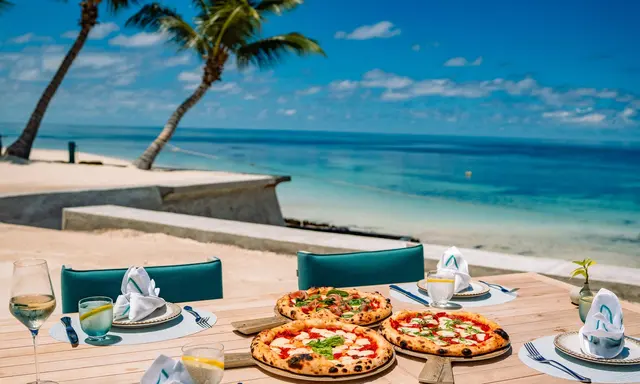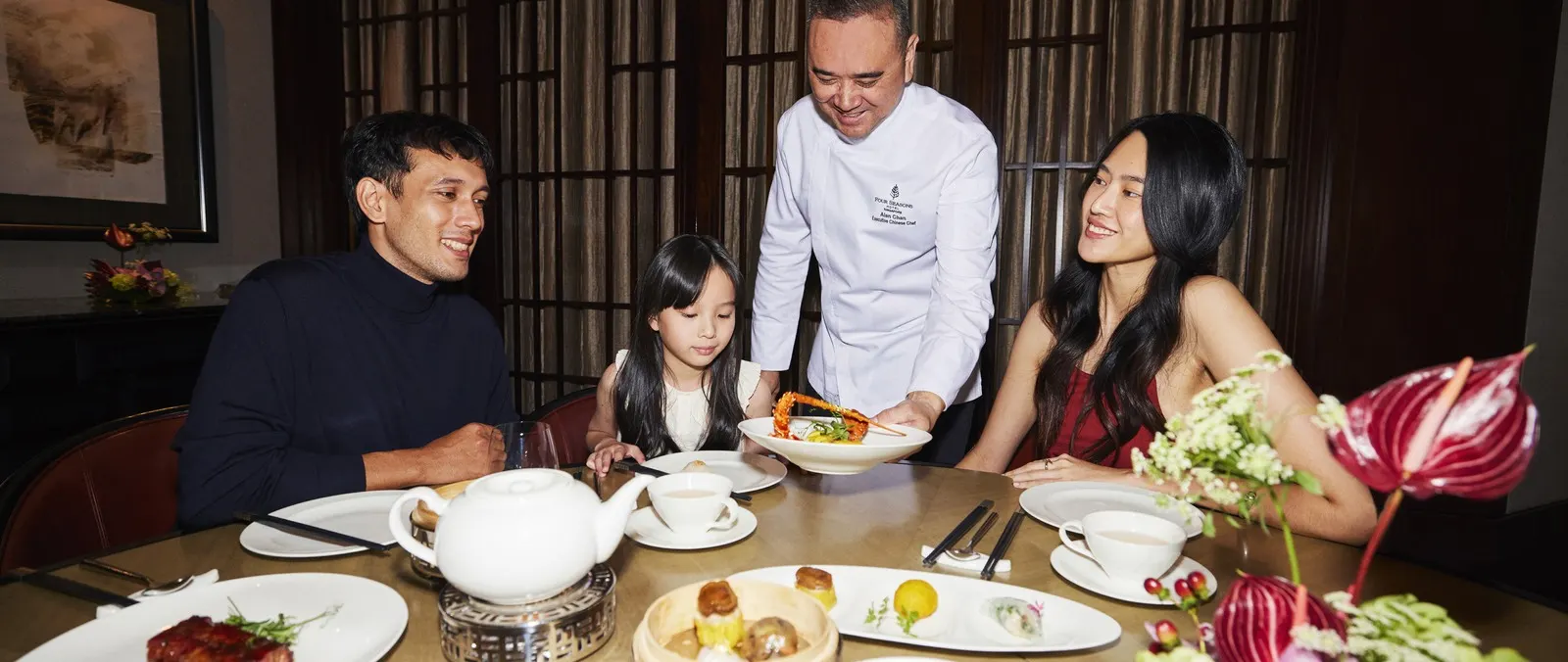
Four Seasons Hotel Singapore is leaning into the idea that luxury dining can be more sociable when the meal is designed for the whole table rather than as a sequence of individual plates. Its updated programme brings together Japanese-Peruvian sharing, Cantonese family-style dishes, Italian tasting menus and leisurely weekend formats intended to keep guests at the table longer.
Nobu Singapore is the clearest example with its Sunday Sushi Social, which combines sashimi, nigiri, maki and grilled signatures in a format intended for exploration. The existing Taste of Nobu Saturday Brunch adds buffet stations, hot dishes, desserts and an optional extended bar period, giving diners a choice between a conventional meal and a longer social afternoon.
What changes for the guest
The appeal is less about quantity than about reducing formality. Guests can try several dishes, compare favourites and let the meal unfold without the rigid rhythm of ordering separate starters and mains, which works particularly well for families, groups of friends or yacht parties spending a few days ashore in Singapore.
Nobu's menu still carries recognisable signatures such as Black Cod Miso, yellowtail, ceviche and Japanese beef, so the communal format does not require guests to sacrifice the dishes that draw them to the restaurant. The difference is in how the food is arranged around the table and how much time the experience is designed to occupy.
The experience is built around place
Elsewhere in the hotel, Cantonese and Italian concepts are using the same principle in different ways. Traditional Chinese dining already lends itself naturally to sharing, while bespoke Italian menus can build a table around several courses and seasonal ingredients rather than keeping every guest on an identical individual track.
Singapore is a strong setting for this approach because the city's food culture already moves comfortably between hawker centres, family-style Chinese meals and polished international restaurants. A luxury hotel can therefore offer a refined version of communal dining without making the idea feel forced or imported.
Why it fits the LYG lifestyle brief
For LYG readers, this kind of dining programme works well during a marina stop or city break because it can accommodate mixed groups without requiring everyone to commit to the same level of formality. A long brunch or sushi social is often easier to fit around shopping, spa appointments and evening plans than another structured tasting menu.
It also reflects a broader shift in premium hospitality toward experiences that generate conversation rather than simply technical admiration. Excellent ingredients and service remain essential, but the success of the meal is increasingly judged by whether the table feels lively and memorable rather than by how many separate courses arrive.
What to know before booking
Reservations are advisable for the dedicated weekend formats, particularly when a group wants a specific time or beverage package. The most popular brunch periods can become busy, and the social character of the event works better when the table has enough time to settle in instead of being squeezed between other appointments.
Guests should choose the format that matches the group rather than assume the most elaborate option is automatically best. A sushi social may suit friends who want variety, while a quieter Cantonese or Italian meal can work better for conversation, and the strength of the hotel's programme is that all of those choices now sit under one roof.