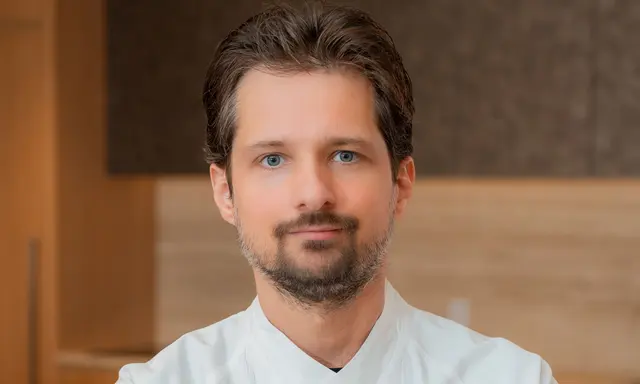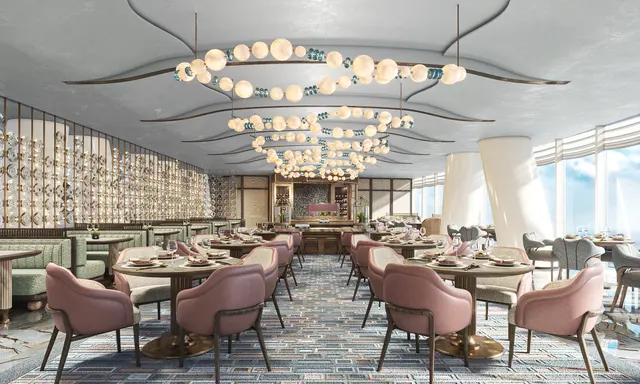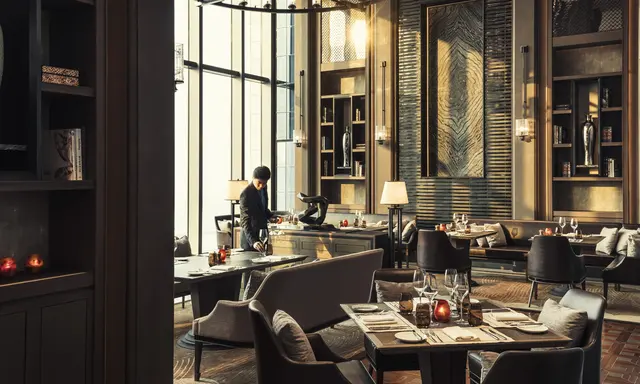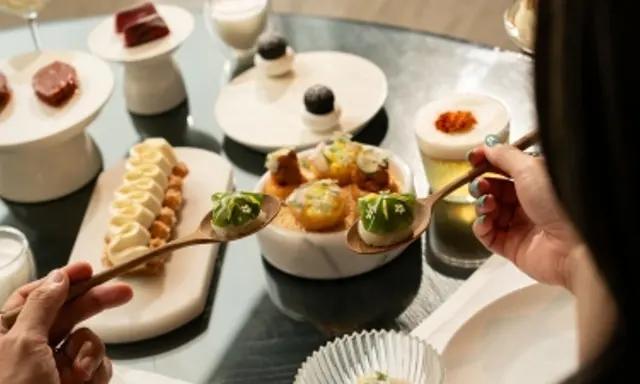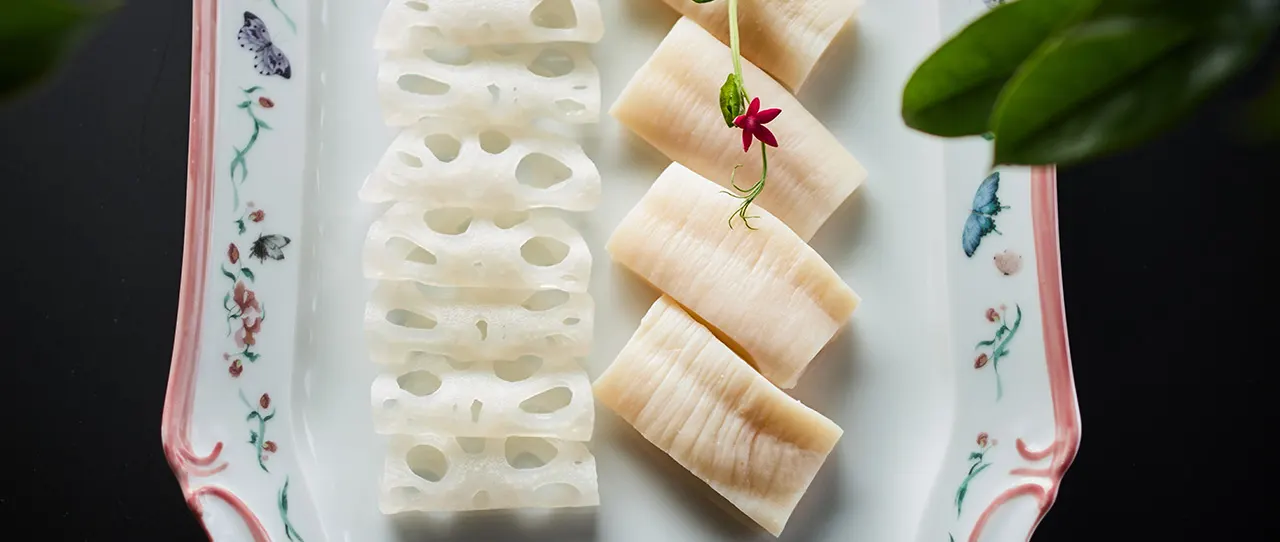
Jiang Nan Chun at Four Seasons Hotel Osaka is bringing together two major Chinese culinary traditions in a three-day guest-chef collaboration with Four Seasons Hotel Hangzhou at West Lake. Senior Executive Chinese Chef Wang Yong joins the Osaka team for the event. This additional layer helps the experience feel considered rather than purely decorative.
The menu places Jiangsu-Zhejiang cooking alongside Cantonese cuisine, allowing guests to compare techniques, textures and flavour priorities within one meal rather than treating Chinese food as a single style. This additional layer helps the experience feel considered rather than purely decorative.
Jiangsu-Zhejiang brings delicacy and seasonality
The cuisine associated with Jiangsu and Zhejiang is known for refined textures, seasonal ingredients and balanced flavours. Wang Yong brings that perspective from Hangzhou, where local food culture is strongly tied to West Lake and regional produce. This additional layer helps the experience feel considered rather than purely decorative.
In Osaka, those ideas meet a new ingredient environment, giving the guest chef room to adapt without losing the identity of the cuisine. This additional layer helps the experience feel considered rather than purely decorative.
Cantonese technique provides the counterpoint
Jiang Nan Chun’s Cantonese foundation contributes precision in roasting, steaming and seafood cookery. The collaboration allows those techniques to sit beside the softer, often more subtly seasoned Jiangnan tradition. This additional layer helps the experience feel considered rather than purely decorative.
Guests can therefore experience contrast as well as harmony across the courses. This additional layer helps the experience feel considered rather than purely decorative.
Three days keeps the menu special
A short run from the visiting team creates a clear sense of occasion and gives the kitchen enough time to deliver the menu consistently. It also rewards travellers who plan around food events. This additional layer helps the experience feel considered rather than purely decorative.
Temporary collaborations often produce dishes that do not appear on either restaurant’s permanent menu. This additional layer helps the experience feel considered rather than purely decorative.
Osaka becomes a meeting point
Hosting the exchange in Japan adds another layer because both Chinese traditions are being presented to an international audience in Osaka. The hotel acts as a neutral meeting point rather than privileging one home restaurant. This additional layer helps the experience feel considered rather than purely decorative.
For LYG readers interested in Asian dining, the event offers a compact way to explore regional Chinese cuisine without moving between cities. This additional layer helps the experience feel considered rather than purely decorative.